Planting
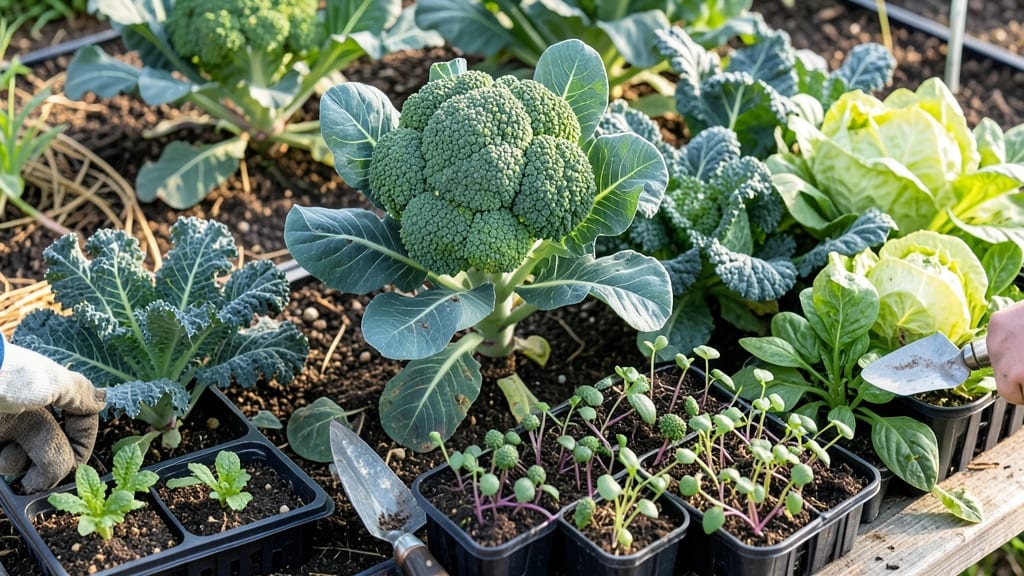
Planting a winter garden in Florida starts the moment hurricane season ends — timing is everything to beat the heat and avoid early frosts.
Florida’s hurricane season may leave your garden in ruins, but the cooler months that follow offer the perfect opportunity to grow thriving cool-season crops—if you plant at the right time.
With mild winters and microclimates that vary by region, you can grow leafy greens, root vegetables, and even broccoli year-round if you know when to start.
Below, I’ll break down the best planting windows for North, Central, and South Florida, plus pro tips for soil prep and protecting your crops from late frosts.
Optimal planting dates for Florida’s winter garden by region
Florida’s winter garden thrives when you align planting with your specific region’s microclimate. Unlike northern states, Florida’s three distinct zones—North, Central, and South—each have unique frost risks and ideal planting windows.
In North Florida, cooler temperatures arrive earlier, while South Florida enjoys extended growing seasons with minimal frost risk. Understanding these differences ensures your cool-season crops mature before spring heat sets in.
For most Florida gardeners, the winter planting window spans from September through January, but exact timing depends on your location. Leafy greens like lettuce and spinach are frost-sensitive, while root vegetables like carrots and beets tolerate cooler temps better.
Below, I’ve broken down the best planting dates for each region, including frost-free zones where you can plant year-round with protection.
In North Florida, where frost is more likely, I recommend starting broccoli and cabbage as transplants in late August to give them time to establish roots before cooler temps arrive. Carrots and beets, which are slower to mature, should be sown by mid-October to avoid bolting in spring.
Use black plastic mulch to warm soil and protect tender crops.
Central Florida gardeners have more flexibility due to milder winters. Leafy greens like spinach can handle light frosts, so sow them as late as November 15. For head lettuce, which bolts quickly, aim for October 1 planting.
If you notice stunted growth in January, it’s time to start succession plantings for a spring harvest.
South Florida’s frost-free growing season means you can plant cool-season crops year-round, but heat tolerance varies. Green onions and cilantro thrive in winter heat (up to 85°F), while peas and lettuce prefer temps below 75°F. Use shade cloth in late winter to protect heat-sensitive plants like arugula.
Pro tip: Always check your local frost dates—they can shift yearly. For example, Jacksonville (North FL) averages its last frost around February 15, while Orlando (Central FL) might see a light frost in January. Adjust your planting timeline accordingly to avoid frost damage.
Don’t forget to test your soil before planting—Florida’s sandy soils often need organic matter to retain moisture. Amend with compost or aged manure 4–6 weeks before planting. For container gardening, use a well-draining potting mix with added perlite to prevent root rot in winter’s cooler, wetter conditions.
If you’re new to winter gardening in Florida, start small with fast-growing crops like radishes (25 days) or bush beans (50 days). These give you quick feedback on your soil and timing before committing to longer-season plants like broccoli (80+ days).
Happy planting—your winter harvest will be worth the effort!
Top 7 cool-season vegetables that grow best in Florida’s winter
After hurricane season, Florida’s mild winters create ideal conditions for growing cool-season vegetables. These crops thrive in temperatures between 50°F and 75°F, avoiding the extreme heat of summer while still producing bountiful harvests.
The key is selecting varieties that resist Florida’s humidity and pests while delivering quick rewards for your garden efforts.
I’ve tested these 7 high-performing vegetables in my own Florida garden, and they consistently outperform others in our unique climate. From leafy greens to root crops, each offers disease resistance and fast growth—perfect for extending your harvest season well into spring.
- 🥬 Lettuce & Spinach – Plant August-September for fall/winter harvests. 30-50 days to maturity. Companion plant with radishes to deter pests.
- 🥦 Broccoli – Sow September-October for 60-80 days of harvest. Full sun and well-draining soil prevent bolting.
- 🥕 Carrots – Direct seed October-November in loose soil. 70-80 days to harvest. Avoid clay soil to prevent forking.
- 🧅 Onions – Plant October-November from sets or seeds. 100-120 days for bulbs. Companion plant with beans to improve soil.
- 🥬 Kale – Sow September-October for 50-60 days of harvest. Cold-hardy and pest-resistant—ideal for Florida’s mild winters.
- 🥕 Beets – Direct seed October-November in full sun. 50-60 days for greens, 60-70 days for roots. Thin seedlings to 3 inches apart.
- 🥬 Swiss Chard – Plant August-September for 50-60 days of harvest. Drought-tolerant once established. Harvest outer leaves to encourage regrowth.
For lettuce and spinach, I recommend loose-leaf varieties like Black Seeded Simpson or Baby’s Leaf Hybrid, as they mature quickly and resist bolting in Florida’s warming winters. Plant them in raised beds with 2-3 inches of compost to improve drainage and fertility.
When planting broccoli and carrots, focus on soil preparation. Amend clay-heavy soils with sand and organic matter to prevent root issues. Broccoli benefits from side-dressing with nitrogen every 3-4 weeks, while carrots thrive in loose, stone-free soil to avoid deformities.
Don’t overlook companion planting—it’s a game-changer in Florida’s humid climate. Pair onions with carrots to repel carrot flies, and plant kale near tomatoes to deter cabbage worms. These pairings reduce the need for chemical pesticides while boosting yields.
Harvesting tips: For leafy greens, pick outer leaves first to encourage regrowth. For root vegetables, check soil moisture—consistent watering prevents woody textures in carrots and beets. Store harvested greens in perforated plastic bags in the fridge for up to 10 days.
With these 7 cool-season vegetables, you’ll enjoy fresh, homegrown produce from November through March—just in time for Florida’s spring heat to roll in. Start small, experiment with varieties, and soon you’ll have a self-sustaining winter garden that outperforms store-bought greens. 🌿