
Planting
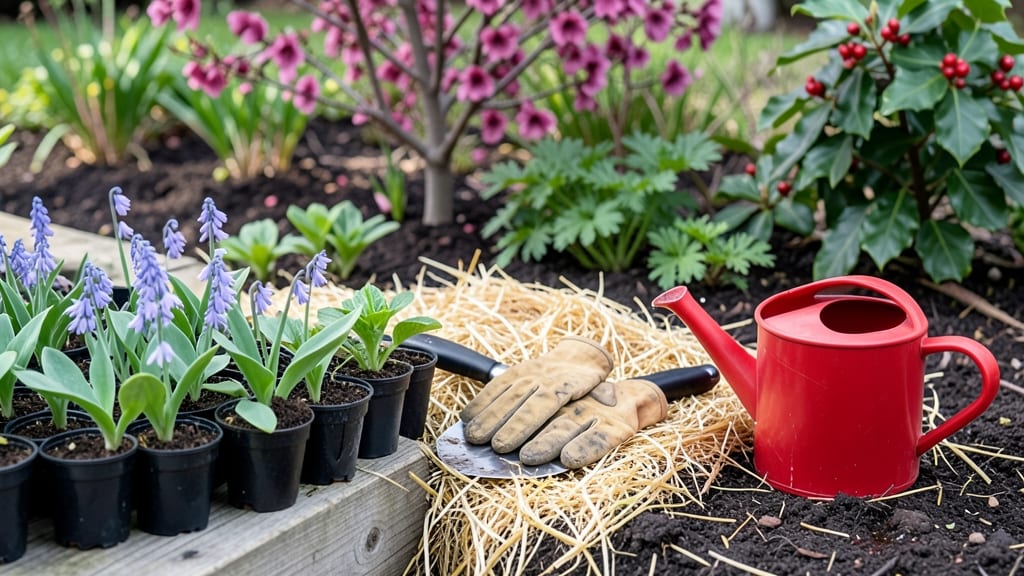
Planting a garden in Virginia at the right time means the difference between a thriving harvest and a lost season 🌱—and your USDA zone dictates everything from frost dates to heat tolerance.
Virginia’s diverse climate—spanning USDA Zones 5 through 8—means your garden’s success hinges on timing. Plant too early, and frost will strike; too late, and summer’s heat will stifle your crops. Here’s your zone-by-zone guide to mastering Virginia’s planting windows for vegetables, flowers, and herbs.
Cool-season crops like broccoli and spinach can go in as early as mid-March in Zone 6a, while warm-season favorites like tomatoes and peppers need to wait until after April 15 in most regions.
The key? Knowing your last frost date and adjusting for microclimates—whether you’re in the mountains or the Coastal Plain.
Below, I break down the exact planting schedule by zone, plus heat tolerance charts to help you pick the right crops for your area. No more guesswork—just a garden that grows.
Virginia planting calendar by USDA Zone: frost dates and heat tolerance
Virginia’s gardening seasons vary dramatically from the Blue Ridge Mountains (Zone 5-6) to the Coastal Plain (Zone 7-8). Knowing your last frost date and heat tolerance of plants is critical—especially for warm-season crops like tomatoes and peppers, which wilt in unexpected cold snaps.
In Zone 6a, for example, the average last frost arrives March 15, while Zone 8a gardeners can plant heat-lovers as early as February 20 without risk. Miss these windows, and your seedlings may bolt or fail entirely.
For cool-season crops like kale and spinach, timing is equally precise. Plant them 4–6 weeks before your last frost—too early, and frost will kill tender greens.
Meanwhile, warm-season crops like okra and sweet potatoes thrive only after soil reaches 60°F+, which typically happens 2–3 weeks after your last frost. Use this guide to align your planting with Virginia’s microclimates and avoid costly mistakes.
🌱 Key Tip: Always check your local frost dates using the Virginia Cooperative Extension’s frost maps—they account for year-to-year variations better than averages. For instance, Roanoke (Zone 7a) might see frost in early November, while Norfolk (Zone 8a) could delay it until December.
Understanding heat tolerance is just as critical as frost dates. For example, tomatoes and cucumbers thrive in 75–85°F but struggle above 90°F, where they develop blossom-end rot or bitter fruit.
In Zone 8a, where summer temps often exceed 95°F, opt for heat-tolerant varieties like ‘Heatmaster’ tomatoes or ‘Arkansas Traveler’ okra. Meanwhile, cool-season crops like broccoli and carrots bolt when temps rise above 70°F, so plant them in early spring or late summer for fall harvests.
For direct sowing, timing is non-negotiable. Peas and lettuce should hit the soil 2–3 weeks before your last frost—too late, and they’ll bolt to seed before maturing.
Conversely, squash and beans need warm soil (60°F+), so wait until 2 weeks after your last frost to avoid rotten seedlings. Use a soil thermometer to confirm—50°F is the minimum for most seeds.
Transplanting seedlings also follows strict rules. Tomato and pepper seedlings, for instance, should go into the
Best vegetables and flowers to plant in Virginia by season (with heat zones)
Virginia’s gardening season shines brightest when you align your planting with the heat zones and regional favorites that thrive here. From sweet potatoes in warmer zones to collard greens in cooler areas, each crop has its perfect window.
Let’s break down the top performers for spring, summer, and fall—plus how to extend harvests with smart succession planting.
In Zone 5-6 (mountain regions), focus on cool-season crops like kale and broccoli, while Zone 7-8 (coastal areas) can handle heat-loving peppers and okra until late fall. I’ll show you which plants thrive in each zone and when to plant them for maximum yield.
🌱 Top Virginia Crops by Season & Heat Zone
- Spring (March–May): Zone 5-7 – Lettuce, spinach, peas, and collard greens (plant 4–6 weeks before last frost).
- Summer (May–July): Zone 6+ – Tomatoes, peppers, sweet potatoes, and okra (wait until soil warms to 60°F).
- Fall (August–October): Zone 5-8 – Kale, carrots, broccoli, and daylilies (plant 6–8 weeks before first frost).
- Flowers for All Seasons: Zone 5-8 – Marigolds (spring/fall), Zinnias (summer), and Black-Eyed Susans (perennial).
💡 Pro Tip: Use succession planting for lettuce and beans—sow every 2 weeks to keep harvests rolling!
For spring planting, prioritize cool-hardy crops like radishes (ready in 30 days!) and onions. In Zone 5, start seeds indoors in March for transplants after the last frost. Meanwhile, Zone 8 gardeners can direct-sow spinach as early as February—its quick growth beats spring heat.
Summer brings heat-lovers like peppers and squash, but they need consistent moisture to avoid blossom drop. In Zone 6+, plant sweet potatoes in May for a fall harvest. For flowers, zinnias and sunflowers thrive in summer heat and attract pollinators—perfect for a pollinator-friendly garden!
Fall is my favorite season for second crops! Plant kale and carrots in August for harvests through November. In Zone 7-8, even broccoli can overwinter with a thick mulch. Don’t forget daylilies—they bloom in late summer and return year after year.
To extend your season, try succession planting or season extenders like cold frames. For example, sow radishes every 2 weeks from March to September for continuous harvests. And if you love herbs, basil thrives in summer but should be replanted in fall for a second crop.
Virginia’s gardens reward patience and planning. Whether you’re in the cool mountains or warm coastal plains, these zone-specific crops will help you grow a bountiful, beautiful garden all year round. Happy planting! 🌿