
Planting
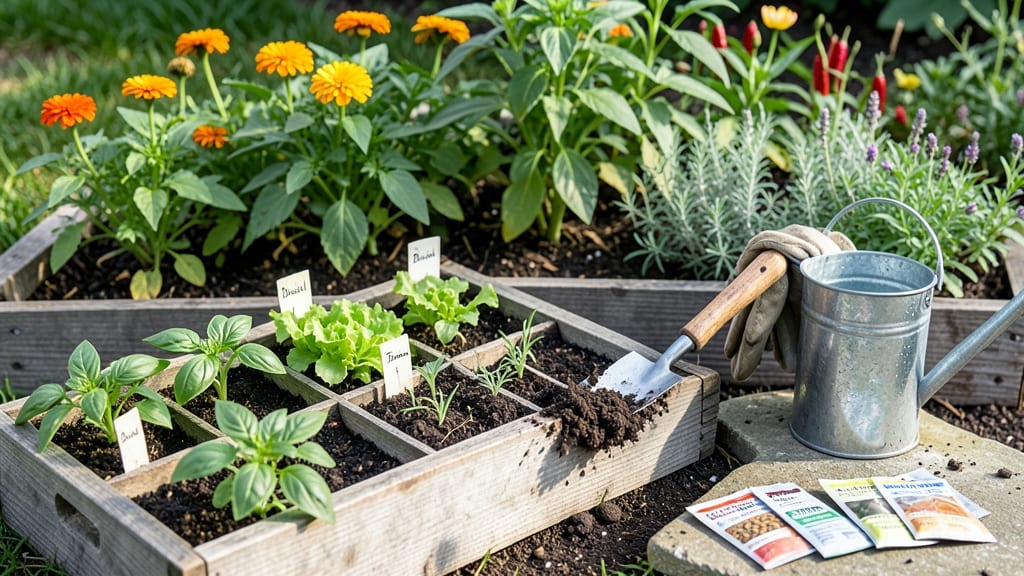
Planting your garden in Pennsylvania at the right time means the difference between a thriving harvest and wasted effort.
Pennsylvania’s diverse climate—from frosty Appalachian valleys to humid Pittsburgh suburbs—means planting your garden at the wrong time can spell disaster for your tomatoes, peppers, or herbs.
Whether you’re in USDA Zone 5 with long winters or Zone 7 where summers stretch into October, timing is everything. A late frost can wipe out seedlings overnight, while waiting too long may leave you with stunted plants.
In this guide, I’ll break down the best planting windows for vegetables, flowers, and perennials across Pennsylvania’s zones, plus how to adjust for urban heat islands or mountain microclimates. Let’s get your garden off to the right start!
Pennsylvania planting calendar by hardiness zones 5-7 (key dates for success)
Pennsylvania spans USDA Hardiness Zones 5-7, creating a unique challenge for gardeners. The last spring frost varies dramatically—from late April in Zone 7 (Pittsburgh suburbs) to early June in Zone 5 (mountain valleys).
Timing your warm-season crops like tomatoes and peppers after the last frost is critical, while cool-season crops like lettuce and spinach thrive when planted early.
For Zone 6 (central PA), the average last frost date falls around May 10-15. In Zone 5 (northwest PA), wait until May 25-June 1 to plant heat-loving vegetables.
Meanwhile, Zone 7 gardeners can start warm-season crops as early as April 20-May 5. These windows ensure your plants avoid frost damage while maximizing growth potential.
Here’s a quick reference for cool-season crops—they’re your best bet for early spring planting.
In Zone 5, sow spinach, kale, and peas as early as March 15-April 15. Zone 6 gardeners can start these by March 1-April 1, while Zone 7 has until February 28-March 15 for a head start. These crops tolerate light frosts, making them ideal for early-season planting.
| Month | Zone 5 (Last Frost: May 25-June 1) | Zone 6 (Last Frost: May 10-15) | Zone 7 (Last Frost: April 20-May 5) |
|---|---|---|---|
| March | Cool-season crops (spinach, peas), perennials | Cool-season crops, early bulbs (tulips) | Cool-season crops, early bulbs, strawberries |
| April | Prepare soil, sow hardy veggies (lettuce, radishes) | Warm-season starts indoors (tomatoes, peppers), sow peas | Direct-sow warm-season crops (beans, corn) |
| May | Transplant warm-season starts after last frost | Direct-sow warm-season crops (tomatoes, peppers) | Plant heat-lovers (okra, sweet potatoes), succession sow |
| June | Succession plant beans, cucumbers; mulch | Plant fall crops (broccoli, carrots), herbs | Plant fall garden, sow cover crops |
| July-August | Harvest warm-season crops, prep for fall | Harvest, plant garlic, onions for fall/winter | Harvest, plant winter squash, pumpkins |
For warm-season crops, timing is everything. In Zone 5, wait until June 1-15 to plant tomatoes, peppers, and eggplants outdoors. These plants need consistent warmth to thrive, so rushing them can stunt growth or invite pests.
In Zone 6, you can start these crops 2-3 weeks earlier (around May 15-30), while Zone 7 gardeners enjoy a 4-6 week head start (starting as early as April 20).
Herbs like basil, cilantro, and dill also follow warm-season rules. Plant them after your last frost date, but avoid late summer—these herbs often bolt (flower prematurely) in the heat.
For Zone 5, aim for June-July plantings, while Zone 6-7 can extend this to late July for a fall harvest. Always choose slow-bolting varieties like 'Genovese basil' for better results.
Perennials deserve special attention because they establish roots over time. In Zone 5, plant asparagus crowns, rhubarb, and strawberries in early spring (March-April) or early fall (September-October). Zone 6-7 gardeners have more flexibility—they can plant perennials until late October.
The key is giving plants 6-8 weeks to root before winter. Avoid planting perennials in late summer, as they may not establish before frost.
Urban gardeners in Philadelphia or Pittsburgh face unique challenges like urban heat islands, which can
How to adjust planting times for Pennsylvania’s microclimates (urban heat islands, mountain valleys, and more)
Pennsylvania’s microclimates create unique gardening challenges. While Philadelphia’s urban heat island can delay frost by 2–3 weeks, Erie’s lake-effect cooling might push back planting until mid-May. Understanding these variations lets you extend seasons and protect delicate seedlings.
Start by identifying your specific microclimate—mountain valleys, riverbanks, or urban concrete jungles all behave differently.
For example, Pittsburgh’s Zone 6b average last frost is April 20th, but a south-facing urban garden might warm up 10°F faster than a shaded backyard. Use local frost data from Penn State Extension to fine-tune your schedule.
Even a 5°F difference can mean the difference between thriving tomatoes and wilted seedlings.
🌱 Microclimate Adjustments for Pennsylvania Gardens
- Urban Heat Islands (Philly, Pittsburgh): Plant warm-season crops 2 weeks earlier (e.g., tomatoes by April 15th instead of May 1st). Use shade cloth for heat-sensitive plants like lettuce.
- Mountain Valleys (Scranton, Altoona): Delay planting until May 10th–15th for peppers and eggplants. Use black plastic mulch to warm soil 5–7°F faster.
- Lake-Effect Zones (Erie, State College): Extend fall planting with row covers until September 20th. Monitor lake breezes, which can drop temps 10°F overnight.
- Riverbanks (Johnstown, Harrisburg): Plant cool-season crops 1 week later due to moisture retention. Avoid waterlogged soil by raising beds.
- Cold Air Pools (Appalachian Foothills): Use cold frames to start spinach and kale in March. Frost risk lingers until May 20th.
Soil temperature is your secret weapon for microclimate adjustments. Use a soil thermometer to confirm when 50°F (for cool crops) or 60°F (for warm crops) is reached. In urban areas, concrete absorbs heat, so soil warms 3–5 days earlier than rural spots.
For mountain gardens, clear plastic mulch can add 10°F to soil warmth overnight.
Row covers and cold frames let you push planting windows by 3–4 weeks. For example, in Zone 5, I’ve successfully grown bush beans under floating row covers as early as April 25th—weeks before the average last frost.
Just remove covers when flowers appear to prevent heat stress. For fall crops, extend harvests until October 15th by covering kale and carrots with lightweight fabric.
Monitor local frost risks with these actionable tips: ☑️ Check the Penn State Ag Weather app for frost alerts ☑️ Place a frost-sensitive plant (like basil) as an early warning ☑️ Use windbreaks to reduce cold air pooling in valleys ☑️ Water container gardens before sunset to add insulation ☑️ Move potted plants to sheltered spots during radiation frosts
Don’t let microclimates limit your garden’s potential. By adjusting planting times, using soil warming tricks, and leveraging season extenders, you can grow tomatoes in April or spinach in October—even in Pennsylvania’s most challenging zones.
Start small with one high-value crop, like peppers, and track your success. Your future harvests will thank you! 🌱