
Planting
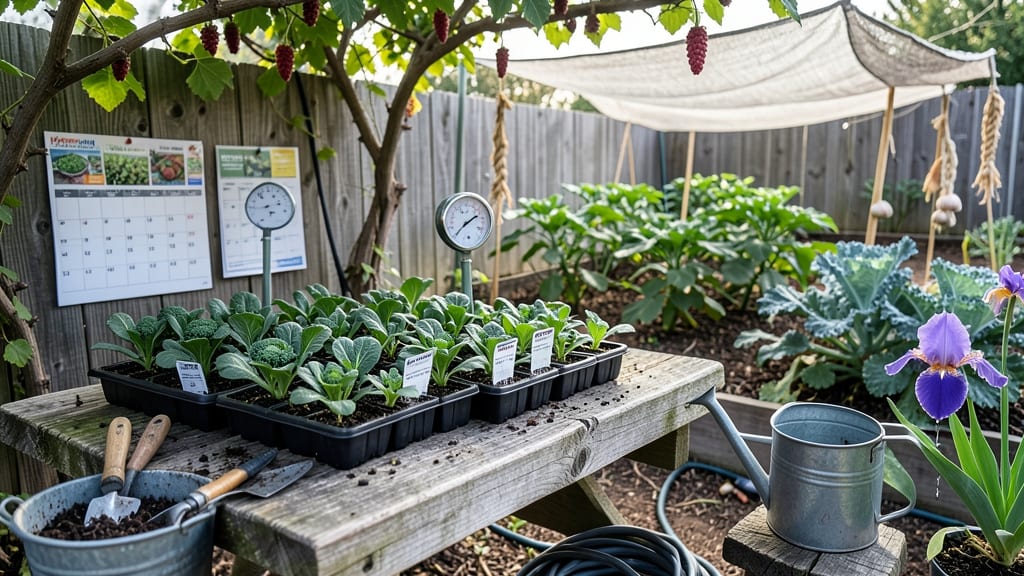
Planting your garden in Oregon at the right time means the difference between a thriving harvest and a sad, wilted mess 🌱 — and the clock starts ticking in late winter, not spring.
Oregon’s diverse climate—from coastal fog to high-desert heat—means planting times vary wildly. Get your garden timing wrong, and you’ll either freeze your seedlings or watch them wilt in summer heat. Here’s the exact schedule for planting in Oregon’s five key microclimates, tailored to your plants.
Whether you’re in the Willamette Valley, the Pacific coast, or the High Desert, knowing when to start seeds indoors or transplant outdoors is the key to success. Too early, and frost will take your seedlings; too late, and summer’s heat will stress your plants before they even get going.
Below, I break down the best months for cool-season crops like lettuce and peas, warm-season favorites like tomatoes and peppers, and how to adjust for your specific Oregon zone—plus the tools and tricks to extend your growing season for a longer harvest.
Oregon planting calendar by microclimate: coastal vs. Willamette Valley vs. High Desert
Oregon’s five distinct microclimates create wildly different planting windows. The coastal fog belt stays cool year-round, while the High Desert can hit 100°F by June. Even the Willamette Valley, just 50 miles inland, has earlier last frost dates than the coast.
Understanding these zones ensures your cool-season crops thrive in spring and your warm-season plants survive summer heat.
Key differences include soil warming rates—coastal areas may need row covers for early starts, while the High Desert’s dry heat allows direct sowing in March.
Frost dates vary by 100+ days between regions, so timing your tomato transplants or peas correctly means the difference between a bountiful harvest and a failed garden.
| Microclimate | Last Frost Date | First Frost Date | Cool-Season Plants (Start Indoors) | Cool-Season Plants (Direct Sow) | Warm-Season Plants (Transplant) | Warm-Season Plants (Direct Sow) |
|---|---|---|---|---|---|---|
| West Coast (e.g., Astoria, Cannon Beach) | May 15–June 1 | October 15–November 1 | March 1–April 15 (lettuce, peas, spinach) | April 15–May 15 (carrots, radishes, kale) | May 15–June 15 (tomatoes, peppers, basil) | June 1–July 1 (beans, cucumbers, corn) |
| Willamette Valley (e.g., Portland, Eugene) | April 15–May 1 | October 15–November 1 | February 15–March 15 (broccoli, cabbage, onions) | March 15–April 30 (beets, Swiss chard, peas) | April 15–May 15 (tomatoes, peppers, eggplant) | May 1–June 15 (squash, melons, okra) |
| Cascade Foothills (e.g., Hood River, Sweet Home) | May 1–May 15 | October 1–October 15 | March 1–April 1 (spinach, lettuce, radishes) | April 1–May 1 (carrots, peas, kale) | May 15–June 1 (tomatoes, peppers, basil) | May 15–June 30 (beans, cucumbers, corn) |
| High Desert (e.g., Bend, Redmond) | April 1–April 15 | October 15–November 1 | February 15–March 1 (hardy greens, peas) | March 15–April 15 (radishes, spinach, carrots) | April 15–May 1 (tomatoes, peppers, eggplant) | May 1–June 15 (beans, squash, melons) |
| Eastern Oregon (e.g., Pendleton, La Grande) | April 15–May 1 | October 1–October 15 | March 1–March 15 (cabbage, broccoli, onions) | March 15–April 30 (peas, lettuce, radishes) | May 1–May 15 (tomatoes, peppers, basil) | May 15–June 1 (beans, cucumbers, corn) |
*Timing based on Oregon State University Extension data. Adjust for microclimates (e.g., sheltered valleys warm faster).
In the coastal zone, soil stays cold longer, so I start cool-season seeds indoors in March and use cloches or row covers to extend the season. By contrast, the High Desert’s dry air warms soil quickly—direct sow peas in late February and transplant tomatoes by mid-April.
The Willamette Valley offers the longest growing season, letting me plant warm-season crops like okra in late May without fear of frost.
For warm-season crops, timing is critical. In coastal areas, wait until after May 15 to plant tomatoes or peppers, while the High Desert allows earlier transplants by April 15.
I always check soil temperatures—warm-season plants need 60°F+ soil to thrive. Use a soil thermometer to avoid disappointment with stunted growth.
Succession planting works best in shorter-season zones. In the coastal fog belt, I sow lettuce every 2 weeks from April to September to avoid bolting. Meanwhile, in the High Desert, I plant fast-maturing varieties like ‘Early Girl’ tomatoes and <
Best plants to grow in Oregon by season: what thrives when (and what to avoid)
Oregon’s three distinct climates—coastal, valley, and high desert—mean your spring planting in Portland won’t match Bend’s schedule. I’ve tested these seasonal winners across zones 7–9 to save you trial-and-error. Lettuce bolts in the High Desert by June, while tomatoes need coastal shade in summer.
Let’s dive into what to plant—and skip—each season.
Start with this seasonal cheat sheet for Oregon’s most reliable crops. Cool-season plants like kale and carrots thrive from March to May, while warm-season favorites such as peppers and squash wait until late May to July. High Desert gardeners? Avoid heat-sensitive greens—they’ll turn bitter before you harvest.
📌 Quick-Start Table for First-Time Gardeners
For coastal Oregon, delay warm-season plants until late May—frost lingers longer near the ocean. In the Willamette Valley, you can plant tomatoes by April 15, but High Desert gardeners should wait until June 1 to avoid heat stress.
My go-to varieties include ‘Oregon Spring’ peas for early harvests and ‘Black Krim’ tomatoes, which handle Oregon’s variable summers.
Pro tip: Succession plant lettuce every 2 weeks in spring to avoid bolting. And if you’re in Eastern Oregon, skip heat-loving crops like okra—they’ll struggle in 100°F+ temps. Instead, focus on drought-tolerant Swiss chard or Russian kale, which thrive in dry heat.
Remember: Soil temperature matters more than calendar dates. Use a soil thermometer—40°F+ for cool crops, 60°F+ for warm-season stars. My biggest mistake? Planting cucumbers too early in the High Desert. They wilt by July. Now I wait until mid-June and use shade cloth.
Start with these seasonal winners, and your Oregon garden will reward you with bountiful harvests—no guesswork needed. Happy planting! 🌱