
Planting
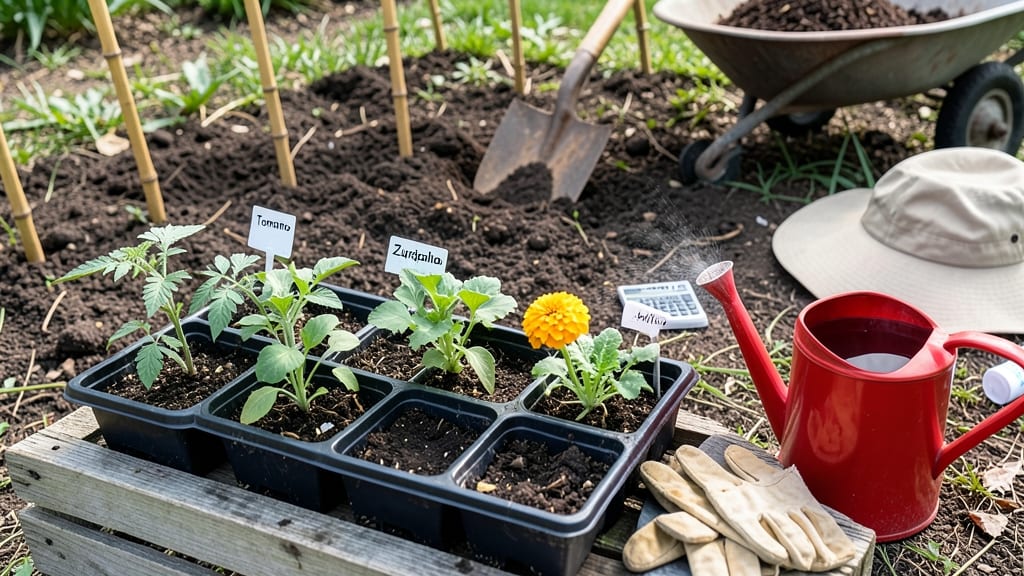
Planting a garden in Missouri at the right time means the difference between a bountiful harvest and a wasted season—so timing your seeds and transplants to your specific zone is everything.
Missouri’s unpredictable spring weather can turn a gardener’s excitement into frustration—unless you know the exact planting windows for your zone. Get the timing right, and you’ll enjoy bumper crops; get it wrong, and frost or heat will sabotage your harvest before it starts.
From the cooler northern zones (5a–6a) to the milder southern regions (6b–7a), the best months to start seeds and transplant vary—sometimes by as much as six weeks. Whether you’re sowing cool-season greens in March or waiting for soil to warm up for tomatoes in May, precision matters.
Below, I’ll break down the month-by-month schedule for Missouri’s most popular vegetables, flowers, and perennials, plus how to adjust for late frosts, microclimates, and even indoor starts. No more guessing—just a foolproof plan for your 2024 garden.
Missouri planting zones & exact months to start seeds and transplant vegetables
Missouri spans USDA hardiness zones 5a through 7a, meaning your planting schedule should shift depending on whether you're in northern zone 5a (cooler) or southern zone 7a (warmer). The key to success?
Knowing your average last frost date—typically April 15 in zone 5a and March 15 in zone 7a, though microclimates can push these by 2-3 weeks.
Cool-season crops like lettuce and spinach thrive when planted 4-6 weeks before your last frost, while warm-season favorites such as tomatoes and peppers need soil temperatures above 60°F—usually mid-May in most zones.
Below, I’ve broken down the exact windows for each zone, plus a 2024 planting calendar to keep you on track.
For zone 5a gardeners, cool-season crops like kale and peas can go in as early as March 20, but wait until May 15 for tomatoes and squash—soil must be at least 60°F for these heat lovers.
In zone 7a, you can start warm-season seeds indoors by January 15 and transplant outdoors by March 15, giving you an earlier harvest.
Pro tip: Use a soil thermometer to confirm readiness—50°F is ideal for cool-season crops, while 60-70°F is best for tomatoes and peppers. If your soil is too cold, wait 1-2 weeks or use black plastic mulch to warm it faster.
My 2024 Missouri planting calendar (based on 30-year averages) suggests starting basil and cucumbers indoors by March 1 in zone 6a, but hold off until April 1 in zone 5a.
For direct-sown crops like carrots or radishes, aim for March 15 in zone 7a or April 1 in zone 5a to avoid bolted greens.
Don’t forget: Microclimates matter. Urban areas like St. Louis (zone 6b) often warm up faster than rural Northeast Missouri (zone 5a). If you’re near a
How to adjust planting times for Missouri’s microclimates and common mistakes
Missouri’s diverse geography creates microclimates that can shift planting times by weeks—even within the same county. Urban areas like St. Louis often experience warmer pockets thanks to concrete and buildings, while rural zones in northern Missouri can linger in frost longer.
As someone who’s learned this the hard way (hello, bolting broccoli in April!), I’ve cracked the code for adjusting your planting schedule based on where you live.
First, identify your specific microclimate: urban gardens typically have 2-3 warmer weeks compared to rural areas, while valleys and low-lying spots can stay colder. For example, if your neighbor in the city plants tomatoes on May 1st, you might need to wait until May 15th in a rural zone.
Pay attention to local frost patterns—not just USDA zone averages—over the past 3 years for the most accurate timing.
⚠️ callout warning ⚠️
3 Critical Planting Mistakes Missouri Gardeners Make (And How to Fix Them)
- Ignoring soil temperature: Planting cool-season crops when soil is below 40°F stalls growth. Use a soil thermometer—wait until soil hits 50°F+ for warm-season crops like peppers.
- Overplanting too early: April heat can cause cabbage and lettuce to bolt in days. Start with 1/3 of your usual seeds in late March, then add more after April 15th.
- Skipping frost watches: Sign up for local frost alerts (like from your county extension office). A light frost can kill seedlings, while a hard frost (below 28°F) wipes out entire plants.
🌱 Pro Tip: Use row covers or cold frames to extend your planting window by 2-3 weeks in spring and fall.
For urban gardeners, leverage your warmer microclimate by planting warm-season crops like tomatoes and peppers 2 weeks earlier than rural guidelines. I’ve seen eggplants thrive in St. Louis by April 20th when rural gardens wait until May.
However, watch for heat spikes—urban areas can get 10°F hotter than surrounding areas, stressing young plants.
Rural gardeners should focus on soil warming strategies like black plastic mulch or straw bales to speed up spring planting.
In my Zone 5b farm, I’ve found that covering seed beds with clear plastic tunnels raises soil temps by 10-15°F, letting me plant cucumbers and squash by May 1st instead of waiting for Memorial Day.
One of my biggest lessons? Don’t trust the calendar—trust the plant’s behavior. If your kale bolts by April 20th (yellow leaves, bitter taste), you planted too early.
Adjust next year by waiting until May 1st for cool-season crops. Similarly, if your tomatoes develop blossom-end rot from inconsistent watering, move planting to late May when temps stabilize.
To nail your timing, I recommend creating a personal planting journal for 3 years. Note when you plant, when you harvest, and any weather anomalies (like late frosts or early heat waves). Share your data with local gardening groups—you’ll find others in your microclimate have faced the same challenges.
With this approach, you’ll turn Missouri’s unpredictable weather into a predictable advantage for your garden. 🌿