Planting
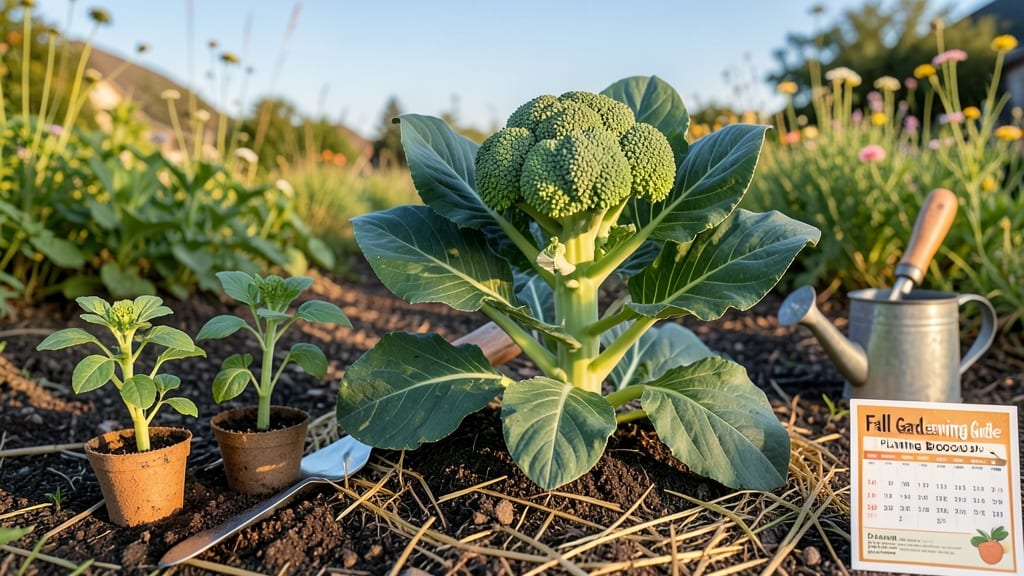
Planting your fall garden in Alabama between mid-August and early October unlocks a harvest of crisp greens, sweet roots, and hardy herbs—just as summer’s heat finally backs off.
But timing isn’t just about the calendar—it’s about avoiding the late-summer scorch that wilts seedlings or the early frost that freezes tender crops before they mature. Alabama’s USDA Zones 7-8 give you a narrow window, and missing it means either stunted plants or wasted effort.
You’ll learn the exact month-by-month schedule for crops like broccoli, kale, and carrots, plus how to adjust for your specific county’s frost risks. No more guessing whether that seed packet says "60 days to harvest" means August or October planting.
From soil prep to succession planting, this guide cuts through the confusion so your Alabama fall garden thrives—no matter if you’re in Huntsville’s cooler hills or Mobile’s humid lowlands.
Fall planting calendar for Alabama: exact months by crop type
Alabama’s fall garden thrives when planted at the right time—too early, and heat-loving crops bolt; too late, and frost ruins tender greens. Since Alabama spans USDA Zones 7-8, I’ve mapped out exact monthly planting windows for vegetables, herbs, and flowers based on local frost dates and soil temperatures.
Most Alabama gardeners face their first frost between mid-November and early December, but northern areas (like Huntsville) freeze earlier than southern regions (like Mobile). For this guide, I’ve focused on mid-to-late September as the sweet spot for cool-season crops, with adjustments for heat-tolerant varieties.
Here’s your fall planting timeline, broken down by crop type. Use this as your roadmap to avoid common mistakes like planting spinach too early or kale too late for a full harvest before winter.
For heat-tolerant crops like Swiss chard or New Zealand spinach, you can push planting to early October in southern Alabama (Zone 8). These varieties handle cooler temps better than traditional greens, giving you an extra month of harvest.
My top pro tip: Use row covers or cold frames to extend your season by 2-3 weeks. I’ve used them to protect broccoli transplants from unexpected frost in Huntsville’s Zone 7, adding an extra harvest before winter sets in.
If you’re in northern Alabama, aim to have all cool-season crops established by September 20 to avoid early frost damage. Southern gardeners have until October 10 for most varieties, but always check your local frost date averages for precision.
Don’t forget to amend your soil with compost before planting—Alabama’s clay-heavy soil benefits from organic matter to improve drainage and fertility. I mix in aged compost and worm castings for a nutrient boost that helps fall crops thrive.
For herbs like cilantro, which bolt in heat, I recommend planting in late August or early September so they mature before Alabama’s first cold snap. If you miss this window, try shade cloth to keep seedlings cool during hot spells.
Finally, mark your calendar for late October to sow winter rye or clover cover crops. These protect your soil and improve structure for next spring’s garden—an often-overlooked step in Alabama’s fall gardening routine.
How to adjust planting for Alabama’s microclimates and frost dates
Alabama’s diverse geography means Huntsville’s last frost in spring can be weeks later than Mobile’s, and the same goes for first frosts in fall. These differences—driven by elevation, proximity to water, and urban heat islands—can shift your planting window by 3-4 weeks.
Without adjustments, your broccoli might bolt before harvest or your spinach could freeze before reaching maturity.
To navigate this, start by checking your county’s USDA Zone (7a-8b in Alabama) and average first frost dates. The North Alabama region (like Huntsville) typically sees frost by mid-November, while South Alabama (like Mobile) can delay frost until late December.
Use the Alabama A&M Extension’s frost maps to pinpoint your exact risk zone—this is your first step to season extension.
⚠️ callout warning ⚠️
🌡️ Frost Date Shockers in Alabama
Don’t assume your neighbor’s planting schedule works for you! Huntsville’s average first frost is November 15, but Mobile’s can wait until December 20. Planting cold-hardy greens like kale or collards too early in North Alabama risks premature bolting, while South Alabama gardeners might need to cover crops earlier to protect tender lettuce or radishes.
💡 Pro Tip: Use frost cloth or row covers to extend your season by 2-4 weeks—just remove them when daytime temps hit 70°F+ to avoid overheating.
For precise timing, I recommend planting cool-season crops like broccoli and carrots 6-8 weeks before your expected first frost.
In North Alabama, this means starting seeds indoors by mid-July for transplanting in early August, while South Alabama gardeners can wait until late August for direct sowing. Heat-tolerant varieties, such as Malabar spinach, can handle Alabama’s lingering summer heat better than traditional swiss chard.
If you’re unsure about your local frost patterns, turn to heat unit maps from the Alabama Cooperative Extension. These tools calculate growing degree days (GDD) and help you match crops to your microclimate.
For example, cabbage needs 1,000-1,200 GDD to mature—something Mobile can achieve with a late August start, but Huntsville might need an earlier kickoff.
To protect young plants from unexpected cold snaps, I swear by frost blankets or even old bedsheets draped over hoop tunnels. Start covering plants when nighttime temps drop below 40°F, and remove covers by 10 AM to prevent fungal diseases from trapped moisture.
For extreme protection, consider a mini greenhouse or cold frame—these can push your harvest window into early winter for crops like garlic and onions.
Remember, Alabama’s fall gardening success hinges on localized knowledge. What works in Birmingham (Zone 7b) might fail in Dothan (Zone 8a), so always cross-reference seed packets, extension service guides, and your own garden journal.
With the right adjustments, you’ll be feasting on homegrown greens and root vegetables long after your neighbors’ gardens have gone dormant. 🌱