
Planting
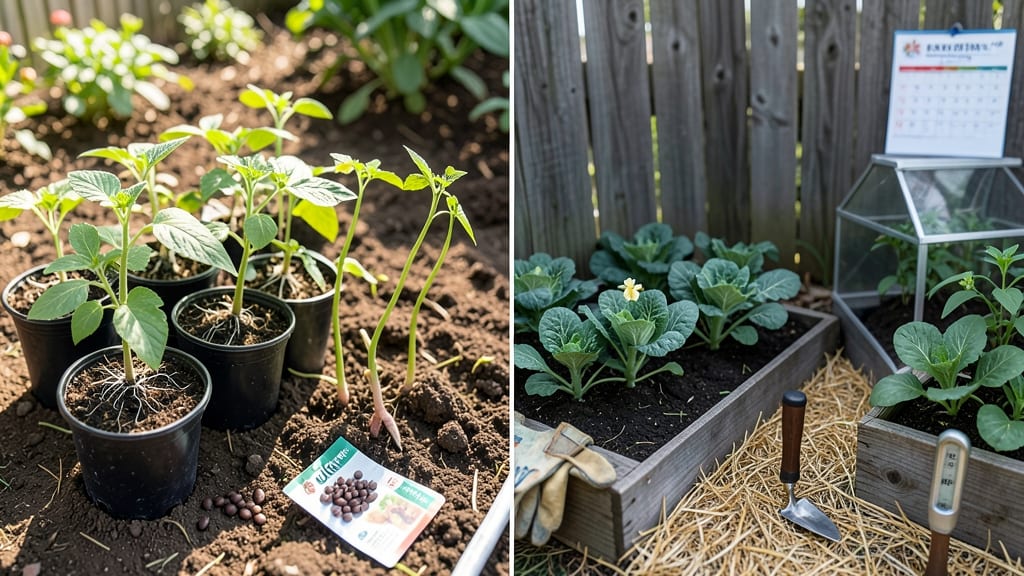
Planting a garden in Alabama at the right time means the difference between a thriving harvest and struggling seedlings in the heat.
Alabama’s long growing season and humid climate mean timing your garden planting perfectly can mean the difference between a bountiful harvest and wilted dreams—here’s exactly when to start for maximum success.
From the cooler hills of North Alabama to the balmy coastal plains, the ideal planting window shifts by weeks. Cool-season crops like lettuce and spinach need to go in as early as February, while tomatoes and peppers thrive when soil warms in April or May.
In this guide, you’ll get the exact month-by-month schedule for Alabama’s USDA zones, plus pro tips to beat humidity and clay soil for faster, healthier growth.
Alabama planting zones & heat tolerance: when to start seeds vs transplants by region
Alabama spans USDA hardiness zones 7a through 8b, creating distinct planting windows depending on whether you're in North Alabama (7a-7b) or South Alabama (8a-8b). These zones determine when to start cool-season crops like lettuce and broccoli versus warm-season staples such as tomatoes and peppers.
The difference between zones can mean 2-4 weeks in your planting schedule—critical for avoiding frost damage or heat stress.
In Zone 7a (northern Alabama), the last spring frost typically arrives March 15-30, while Zone 8b (southern Alabama) sees its last frost February 15-March 1. This shift affects when to move seedlings outdoors or direct-sow seeds.
For example, peppers and eggplants need warmer soil—wait until after April 15 in Zone 7a, but you can plant them by March 20 in Zone 8b.
Understanding these zones isn't just about frost dates—it's also about heat tolerance. Alabama's summers are long and humid, and crops like okra and sweet potatoes thrive in the heat, while spinach and radishes bolt quickly when temperatures rise above 80°F.
Starting seeds indoors or in a greenhouse gives you an edge, especially for cool-season crops that need to establish before summer heat arrives.
Here’s how to calculate your frost-free dates for precise planning: Subtract 15-20 days from your last frost date to determine when to start transplants indoors. For example, if your last frost is March 20, start tomato seedlings indoors on February 5.
This timing ensures seedlings are ready to transplant 2-3 weeks before the last frost, giving them a head start.
| Zone | Last Frost | First Frost | Cool-Season Start (Seeds) | Warm-Season Start (Transplants) |
|---|---|---|---|---|
| 7a | March 15-30 | November 15-20 | February 15-March 1 | April 15-May 1 |
| 7b | March 1-15 | November 20-25 | February 1-March 15 | April 1-April 30 |
| 8a | February 15-March 1 | November 25-December 1 | January 15-February 15 | March 15-April 15 |
| 8b | February 1-15 | December 1-10 | January 1-February 1 | March 1-April 1 |
For cool-season crops, like kale, spinach, and peas, start seeds 4-6 weeks before your last frost date. In Zone 7a, this means sowing seeds February 15-March 1, while Zone 8b gardeners can begin as early as January 1.
These crops handle Alabama’s mild winters well but bolt in summer heat, so plan to succession plant every 2-3 weeks for continuous harvests.
Warm-season crops, such as tomatoes, peppers, and squash, need soil temperatures above 60°F to thrive. In Zone 7a, wait until April 15-May 1 to transplant seedlings outdoors, while Zone 8b gardeners can start transplanting as early as March 15.
Use a soil thermometer to confirm warmth—cold soil stunts root growth and
Month-by-month Alabama planting calendar: what to sow in February through October
Alabama’s extended growing season lets you plant almost year-round, but knowing the exact timing for each crop maximizes your harvest. From cool-season greens in February to heat-loving tomatoes by June, here’s your month-by-month guide tailored to Alabama’s climate zones.
Southern Alabama’s warmer microclimates (Zone 8a-8b) allow earlier plantings than North Alabama (Zone 7a-7b). Always check your last frost date—typically mid-March to early April in most regions—and adjust for microclimates like urban heat islands or shaded spots.
- February: Start cool-season crops indoors—lettuce, spinach, and onions. Direct-sow peas and radishes after soil warms to 50°F.
- March: Transplant broccoli, cabbage, and kale. Begin hardening off tomato and pepper seedlings for April planting.
- April: Plant warm-season staples like tomatoes, peppers, and squash after last frost. Sow beans and corn directly into soil.
- May: Direct-sow okra, sweet potatoes, and cucumbers. Succession plant lettuce for fall harvest.
- June: Start fall greens indoors—collards and turnips. Plant herbs like basil and cilantro for summer use.
- July: Sow winter radishes and carrots for fall harvest. Transplant broccoli and cauliflower for late-season growth.
- August-October: Focus on cool-season crops—spinach, kale, and garlic. Mulch heavily to protect from fall frosts.
For southern exposures, plant heat-lovers like tomatoes and peppers 2-3 weeks earlier. In shaded areas, opt for leafy greens and herbs that tolerate partial shade.
Always test your soil in early spring—Alabama’s clay-heavy soil benefits from compost or aged manure before planting. Adjust watering schedules too: morning watering prevents fungal diseases in Alabama’s humid climate.
Pro tip: Use row covers for early spring plantings to extend the season by 2-3 weeks. In late summer, shade cloth protects tender crops from 90°F+ heat.
With this schedule, you’ll enjoy fresh produce year-round, from spring radishes to fall collards—no wasted space or missed harvests! 🌱