
Planting
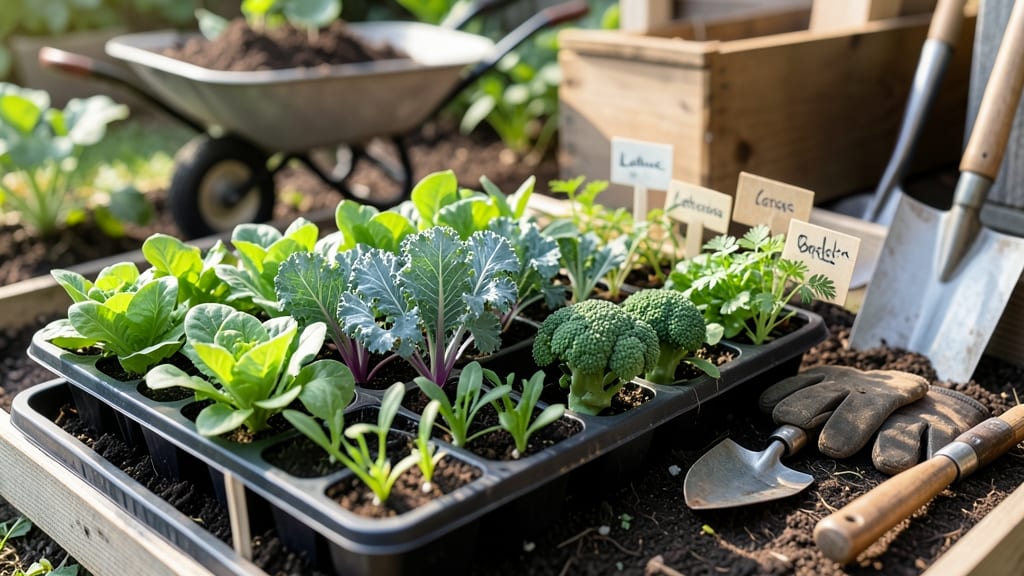
Planting a vegetable garden in Northern California at the right time means the difference between a lush harvest and a wasted season—and the 8a-9b zones throw a curveball with their shifting frost dates.
Picture this: You’ve prepped your soil, ordered seeds, and cleared your schedule for spring planting—only to wake up to unexpected frost in early March, turning your tender seedlings into sad, icy souvenirs.
Or worse, you wait too long, and by the time you finally plant, the summer heat has your tomatoes bolting before they even ripen. Northern California’s microclimates (coastal fog vs. inland heat) make timing everything.
Here’s the good news: With the right schedule, you can grow year-round in this region—cool-season crops like lettuce and peas in winter, warm-season favorites like tomatoes and peppers in summer, and even a surprise fall harvest of carrots and kale.
The key? Knowing when to start seeds indoors, when to transplant, and how to adjust for your specific corner of the state.
Below, I break down the exact planting windows for Bay Area, Central Coast, and Sacramento Valley, plus pro tips to stretch your growing season without risking frost damage. Ready to turn your 🌱 vegetable garden into a calendar of fresh, homegrown meals?
Northern California planting zones: when to start cool-season vegetables by region
Northern California’s cool-season vegetables thrive in crisp air and shorter days—but timing is everything. In the Bay Area (Zones 9-10), coastal breezes delay frost, while the Sacramento Valley (Zones 7-8) faces earlier freezes.
The Central Coast (Zones 8-9) falls somewhere in between, with microclimates that can shift planting windows by weeks. Understanding these regional differences ensures your lettuce, broccoli, kale, and peas grow strong before summer heat arrives.
For cool-season crops, soil temperatures below 70°F signal it’s time to plant. In the Bay Area, this often means starting seeds indoors by late July for a fall harvest, while Sacramento gardeners should begin outdoors in early August to beat frost.
The key? Monitor first frost dates: December 1 in coastal areas vs. November 15 inland. Miss these windows, and your crops may bolt or freeze before reaching maturity.
In the Bay Area, where mild winters prevail, you can plant cool-season crops outdoors year-round with row covers. Start leaf lettuce as early as August for a fall harvest, followed by broccoli and kale in September.
The Central Coast offers a slightly longer window: sow peas and spinach by mid-July for a late fall harvest. Meanwhile, Sacramento gardeners should rush to plant by mid-July to avoid early frosts that can hit as soon as October in some years.
Soil temperature is your most critical factor. Cool-season crops like lettuce and spinach grow best when soil stays between 45°F and 70°F. Use a soil thermometer to check depths of 2-4 inches before planting. If temperatures creep above 75°F, your greens will bolt—turning bitter and flowering prematurely.
In hotter inland areas, opt for shade-tolerant varieties like ‘Black Seeded Simpson’ lettuce or ‘Winterbor’ kale, which handle heat better than standard types.
For peas and broccoli, timing matters even more. These crops thrive in cool but not freezing temperatures. In the Bay Area, plant sugar snap peas in September for a harvest before winter rains.
Inland, aim for August plantings. Broccoli, a slower grower, needs 70-90 days to mature, so start seeds indoors 6-8 weeks before your region’s first frost. For the Sacramento Valley, this means early July for transplants.
Don’t overlook succession planting, a game-changer for extending harvests. In the Bay Area, sow lettuce every 2-3 weeks from August through October to enjoy fresh greens until December
Warm-season vegetable planting calendar: tomatoes, peppers, and more in Northern California
Northern California’s warm-season crops thrive when planted after the last frost, but timing varies dramatically between coastal and inland areas.
Inland regions like Sacramento (Zone 7-8) can start tomatoes, peppers, and squash as early as mid-March, while coastal areas like San Francisco (Zone 9-10) wait until late April to May to avoid chilly soil.
The key is balancing soil warmth (aim for 60°F+) with air temperatures, which should stay consistently above 55°F nightly.
For direct-sown seeds, like cucumbers and beans, wait until soil temperatures hit 70°F+—typically May for inland and June for coastal. Transplants like tomato and pepper seedlings need to harden off first, so start them indoors 6-8 weeks before your region’s last frost date.
Coastal gardeners often use row covers to extend the season earlier, while inland growers may need shade cloth in peak summer to prevent bolting.
- 📅 March (Inland Only): Start tomato and pepper seeds indoors (6-8 weeks before last frost).
- 🌡️ Mid-April (Inland): Transplant hardened seedlings when soil reaches 60°F+ and nights stay above 55°F.
- 🌱 May (Inland) / June (Coastal): Direct-sow cucumbers, beans, and squash after soil hits 70°F+.
- ☀️ June-August: Succession plant bush beans and zucchini every 2-3 weeks for continuous harvests.
- 🌧️ Late August (Inland) / September (Coastal): Start fall tomatoes and peppers for a second harvest before rains.
Soil preparation is critical for warm-season crops. Amend beds with compost and aged manure to improve drainage, and mulch heavily with straw or wood chips to retain moisture and suppress weeds.
Coastal gardens benefit from raised beds to warm up faster, while inland areas may need black plastic mulch to raise soil temperatures quickly. Always test soil pH—most warm-season crops prefer 6.0-6.8, and adjust with lime or sulfur as needed.
Succession planting is your secret weapon for maximizing yields. After harvesting early zucchini or cucumbers, replant the space with bush beans or carrots. For tomatoes and peppers, stagger plantings every 2-3 weeks from June through August.
This ensures a steady supply of fresh produce and prevents pests from overrunning a single crop. Inland gardeners can push the season later by choosing heat-tolerant varieties like 'Heatmaster' tomatoes or 'Carolina Wonder' peppers.
Watch for fall rains, which can trigger fungal diseases like early blight on tomatoes. In coastal areas, start harvesting peppers and eggplants by mid-September to avoid rot, while inland growers can extend harvests until October or November with proper spacing and pruning.
Always prune lower leaves on tomatoes to improve airflow and reduce humidity around the plants.
Pro tip: Keep a planting journal to track what works best in your microclimate. Note when you started seeds, transplanted, and harvested—this data becomes invaluable for fine-tuning next year’s schedule.
With the right timing and adjustments for your specific region, you’ll enjoy homegrown tomatoes, peppers, and more from summer through early fall—just in time for those legendary Northern California harvest feasts! 🍅🌶️