
Picking
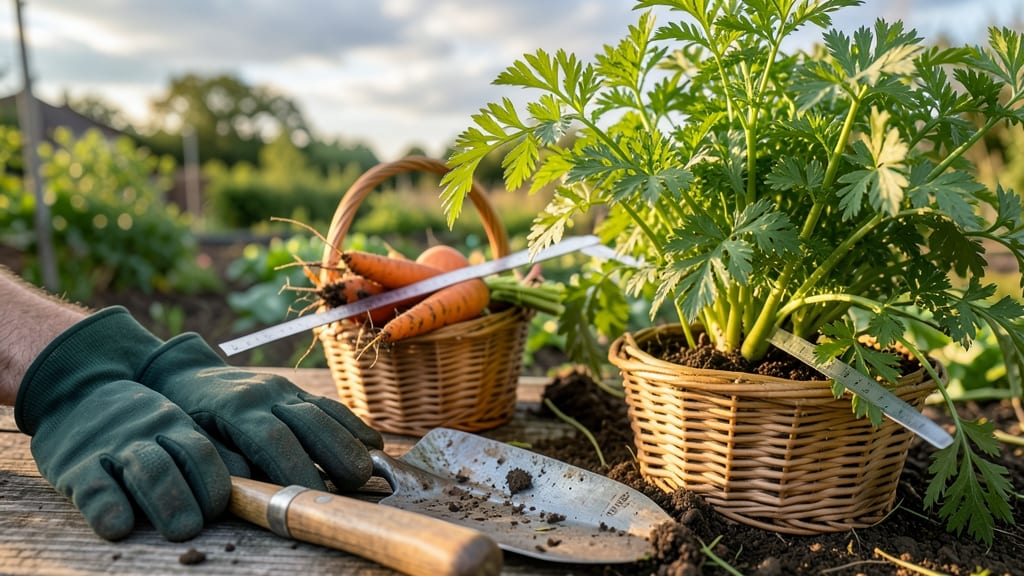
Harvesting carrots from your garden at the right time means the difference between a sweet, crisp bite and a tough, bitter disappointment 🥕 — and the key is knowing when those roots are perfectly ripe.
Pulling up a carrot that’s woody or underdeveloped is every gardener’s nightmare, but timing your harvest correctly ensures you get the best flavor and texture. You don’t want to wait too long, or you’ll end up with roots that are tough and stringy.
In this guide, I’ll walk you through the three visual signs your carrots are ready to pick, including leaf size, root thickness, and soil exposure. Plus, I’ll share seasonal timing tips so you can harvest at the perfect moment, no matter where you live.
By the end, you’ll know exactly when to pull those vibrant orange roots from the soil for the perfect harvest every time — no guesswork required.

3 Visual signs your carrots are ready for harvesting (with photos)
Harvesting carrots at the right time transforms your garden into a treasure trove of sweet, crisp roots. But how do you know when they're perfect? Unlike leafy greens, carrots hide most of their maturity underground, making visual cues above soil critical for success.
I’ve learned the hard way—over-mature carrots become tough and woody, while underripe ones stay small and bland.
Don’t guess! Focus on three key indicators: leaf size, root diameter, and soil exposure. These signs work for both baby carrots (harvested early) and mature roots (full-size). Mastering them ensures you’ll pull carrots at their peak flavor and texture every time.
🌱 When to Harvest Carrots: 3 Key Visual Signs
- 🌿 1. Leaf Height: 3-4 inches tall with vibrant green foliage (not yellowing or sparse). Baby carrots may have leaves just 1-2 inches tall.
- 🥕 2. Root Diameter: 1-1.5 inches wide (or your target size for baby varieties). Press gently—firm roots resist fingernail pressure.
- 🌍 3. Soil Exposure: Root tips visible above soil (especially for loose, sandy soil). Over-mature carrots may crack the soil as they expand.
Start by checking your carrot leaves. Mature carrots develop lush, deep green foliage reaching 3-4 inches tall. If leaves are sparse or pale, your roots need more time. Pro tip: Use a ruler to measure—consistency matters more than guessing!
Next, assess root firmness. Gently squeeze a carrot through the soil (if possible) or dig one up to test. A ripe carrot feels solid and crisp—like a fresh snap pea.
If it’s soft or mushy, it’s overripe. For baby carrots, aim for ½-inch diameter and harvest when leaves hit 1-2 inches tall.
Watch for soil displacement, a dead giveaway. As carrots mature, their expanding roots push soil upward, creating visible cracks or mounds. This happens most in sandy or loose soil. In compacted soil, roots may stay hidden until fully grown—so rely more on leaf size and firmness.
Common mistake alert: Over-mature carrots develop woody cores and split open. Their leaves may yellow or bolt (flower) as a last-ditch effort to reproduce. To avoid this, harvest before leaves exceed 4 inches in height for most varieties.
For storage varieties like Danvers or Chantenay, wait until roots reach 1.5 inches wide and leaves are fully green. These types store longer in cool, dark conditions. Baby carrots (like Paris Market) can be harvested as early as 40 days when leaves are 1 inch tall.
Regional tips matter! In hot climates (Zones 8-10), carrots mature faster—harvest when leaves hit 2-3 inches to avoid bolting. In cool zones (Zones 3-5), extend the timeline by 10-14 days due to slower growth.
Pro move: Harvest in the morning when soil is moist but not soggy. This reduces breakage and makes roots easier to pull. After harvesting, rinse gently and store in the fridge for up to 3 weeks—or enjoy fresh from the garden!
Remember: No two carrot varieties ripen the same. Always check seed packets for days to maturity and adjust your timing. With practice, you’ll spot the perfect harvest like a pro—no more tough, sad carrots!
Carrot harvesting timeline: month-by-month guide for peak season
Timing your carrot harvest is all about understanding your planting season and local climate. Spring-planted carrots typically reach harvest in late summer, while fall crops mature earlier.
Soil temperatures below 50°F slow growth, so adjust your expectations if you're in cooler zones like USDA Zone 4 or higher elevations.
For most gardeners in Zones 5-8, spring carrots planted in March-April hit peak harvest between July-August. Fall plantings (June-July) mature by October-November, just before frost. Warmer climates like Zone 9-10 can extend harvests into December with proper soil prep.
| Month | Spring Planting (Mar-Apr) | Fall Planting (Jun-Jul) | Cold Climates (Zones 1-4) | Warm Climates (Zones 9-10) |
|---|---|---|---|---|
| June | Early harvest possible (baby carrots) | Planting time | Soil too cold for germination | Planting time |
| July | Peak harvest begins (70-80 days) | Germination begins | Slow growth below 50°F | Germination begins |
| August | Main harvest window | Active growth | Harvest before frost | Harvest begins |
| September | Late harvest (smaller roots) | Peak harvest (70-80 days) | Frost-sensitive | Main harvest window |
| October | End of season | Late harvest possible | Harvest before ground freezes | Harvest continues |
In cold climates, prioritize early spring plantings and use row covers to extend the season. For warm climates, succession planting every 2-3 weeks ensures continuous harvests. Always check for soil exposure—when the root tip shows above soil, it's time to harvest.
Pro tip: Baby carrots (harvested at 50-60 days) can be pulled as early as June in warm zones. For storage varieties, harvest just before first frost and cure in cool, dark conditions for 1-2 weeks to improve flavor and shelf life.
Remember that day length affects growth too—longer summer days can cause bolting (flowering) if temperatures rise above 80°F. In these cases, harvest immediately or shade plants with floating row covers.