
Planting
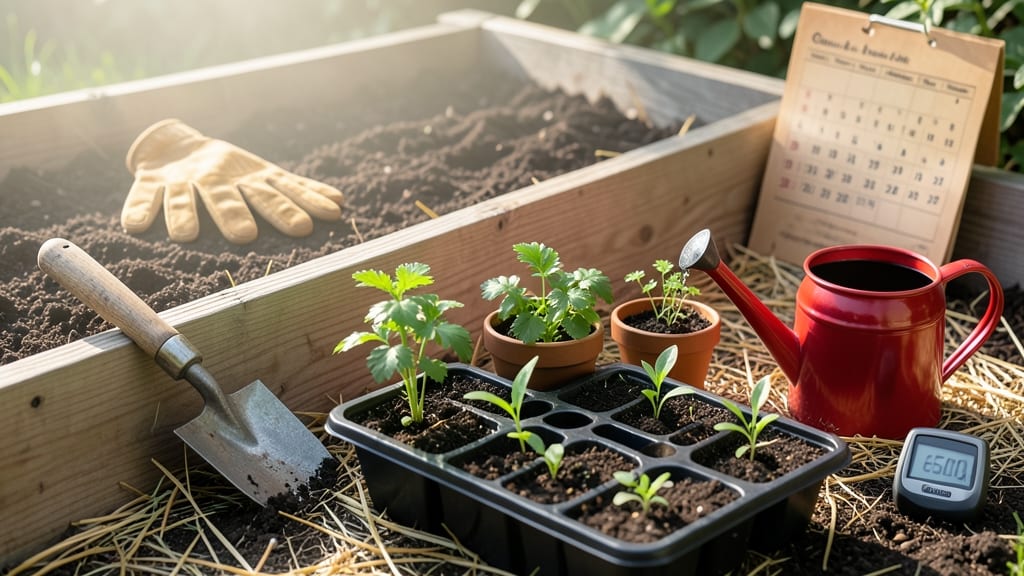
To plant a vegetable garden in New Brunswick, aim for mid-April to mid-May after the last frost—though some cold-hardy crops can go in even earlier 🥬.
New Brunswick’s unpredictable climate can make timing your vegetable garden tricky—but planting too early or late means wasted seeds and missed harvests. Whether you’re a first-time gardener or a seasoned grower, getting the timing right is the key to a bountiful harvest.
In this guide, I’ll break down the best planting windows for your favorite vegetables, from peas and lettuce in early spring to tomatoes and peppers after the frost-free date. I’ll also share region-specific tips for Saint John, Fredericton, and Moncton to help you adjust for local microclimates.
By the end, you’ll know exactly when to start seeds indoors, when to transplant outdoors, and how to extend your growing season for a longer harvest. Let’s get those seeds in the ground at the perfect time!
New Brunswick planting zones & frost dates: when to start seeds indoors vs. outdoors
New Brunswick’s USDA Zones 4-5a mean gardeners face short growing seasons and unpredictable frost patterns. Unlike warmer regions, timing your indoor seed starts and outdoor transplants requires precision.
A late frost can wipe out tender seedlings, while starting too late means missing harvests entirely. Understanding your last frost dates—which vary by region—is key to success.
Saint John, Fredericton, and Moncton each have slightly different frost-free probabilities. For example, Fredericton’s average last frost date is May 10, but Saint John often sees frost linger until May 15.
These nuances dictate whether you should begin cold-starting seeds indoors in March or wait until April. Heat-loving crops like tomatoes need extra attention, while cold-hardy greens can handle early spring planting.
To simplify planning, I’ve created a regional frost-date guide below. Use this as your baseline, but always check the Frost-Free Probability Calculator from Agriculture and Agri-Food Canada for real-time updates. This tool adjusts for year-to-year variability, helping you avoid costly mistakes.
🌱
| Region | USDA Zone | Avg. Last Frost | Avg. First Frost | Indoor Start (Heat-Loving) | Outdoor Plant (Cold-Hardy) |
|---|---|---|---|---|---|
| Saint John | Zone 5a | May 15 | October 5 | March 15–April 1 | April 15–May 1 |
| Fredericton | Zone 4b-5a | May 10 | October 10 | March 1–March 15 | April 1–April 15 |
| Moncton | Zone 5a | May 12 | October 8 | March 10–March 25 | April 10–April 20 |
For heat-loving vegetables like tomatoes, peppers, and eggplants, start seeds indoors 6-8 weeks before your last frost date. Fredericton gardeners should begin by March 1, while Moncton’s later frost date allows a slightly later start. Use a seedling heat mat to speed up germination in cooler indoor conditions.
Cold-hardy crops such as peas, spinach, and kale can be sown directly outdoors 2-4 weeks before your last frost. Fredericton’s April 1 window is ideal for these resilient plants. Harden off seedlings for 7-10 days before transplanting to prevent shock from temperature swings.
Pro tip: Use row covers or cold frames to extend your planting window by 2-3 weeks in early spring or late fall. This tactic lets you sow lettuce or radishes as early as March 20 in Fredericton, even if frost is still possible.
Always monitor soil temperatures—most seeds need 45°F (7°C) to germinate. A soil thermometer is a game-changer for New Brunswick gardeners. If your soil is too cold, delay planting or use black plastic mulch to warm it faster.
🌿
New Brunswick’s climate demands flexibility. If a late frost threatens, protect tender plants with frost cloth or move containers indoors. Conversely, if an early heatwave arrives, provide shade cloth to prevent bolting in greens like lettuce. Adjust your planting timeline based on weekly weather forecasts, not just averages.
For a foolproof approach, I recommend succession planting. Sow fast-maturing crops like radishes every 2 weeks from April to July. This ensures a continuous harvest and minimizes losses from unpredictable weather. Pair heat-loving crops with cold-hardy ones—like planting tomatoes after your last frost and spinach before it arrives.
💧
Cold-hardy vegetables for New Brunswick: start dates by crop type (from peas to kale)
New Brunswick’s short growing season demands smart planning—some vegetables thrive when planted early, while others need to wait until after the last frost. The key is matching your cold-hardy crops with precise planting windows to avoid frost damage or wasted seeds.
Whether you're growing hardy greens for spring or heat-loving tomatoes in summer, timing is everything.
For the best results, I’ve organized this guide by crop type, including indoor start dates for slow growers and outdoor planting windows for fast-maturing varieties. New Brunswick’s USDA Zone 4-5a means we prioritize fast-maturing varieties and cold-tolerant plants to maximize harvests before the first frost in mid-October.
- 🌿 Peas – Outdoor: March 15–April 15 (direct sow); Indoor: N/A (cold-hardy)
- 🥕 Carrots – Outdoor: April 1–May 15 (soil temp 50°F+); Indoor: 6–8 weeks before last frost
- 🥬 Lettuce – Outdoor: April 1–June 15 (successive plantings); Indoor: 4–6 weeks before transplant
- 🌽 Corn – Outdoor: May 15–June 1 (after soil warms to 60°F); Indoor: 2–3 weeks before last frost
- 🍅 Tomatoes – Outdoor: May 15–June 1 (after frost risk); Indoor: 8–10 weeks before last frost
- 🥬 Kale – Outdoor: March 15–April 30 (spring) or August 15–September 15 (fall); Indoor: N/A (cold-tolerant)
- 🧅 Onions – Outdoor: April 1–May 15 (sets/transplants); Indoor: 8–10 weeks before last frost (for seedlings)
- 🥔 Potatoes – Outdoor: April 15–May 1 (plant seed potatoes when soil reaches 45°F)
- 🌶 Peppers – Outdoor: May 20–June 1 (after frost); Indoor: 10–12 weeks before last frost
- 🥦 Broccoli – Outdoor: April 1–May 15 (spring) or August 1–September 1 (fall); Indoor: 6–8 weeks before transplant
Peas are among the most cold-hardy vegetables you can grow in New Brunswick, tolerating light frosts down to 25°F. I recommend planting them as early as mid-March under row covers or directly in the garden by mid-April.
For a continuous harvest, succession plant every 2–3 weeks until early June.
Tomatoes, on the other hand, are heat-loving vegetables that need to wait until after the last frost date (typically May 15 in most regions). Start seeds indoors 8–10 weeks before the last frost, then transplant seedlings outdoors after the soil warms to at least 60°F.
Varieties like Early Girl or Stupice mature quickly (60–70 days) for our short season.
For fall harvests, kale and spinach are my go-to cold-hardy greens. Plant them in late summer (August 15–September 1) for a harvest that lasts well into October or November, especially if protected by row covers during early frosts.
These slow-bolting varieties handle frost better than most other leafy greens.
Don’t overlook root vegetables like carrots and beets—they thrive in New Brunswick’s cooler soil. Sow seeds directly outdoors as early as mid-April (when soil temperatures reach 50°F) for a summer harvest. For a fall crop, try another planting in early July to harvest before hard frosts.
To make the most of your short growing season, prioritize fast-maturing varieties (50–70 days to harvest) and use succession planting for crops like lettuce, radishes, and beans. This ensures you’re always harvesting something fresh from June through October.