
Planting
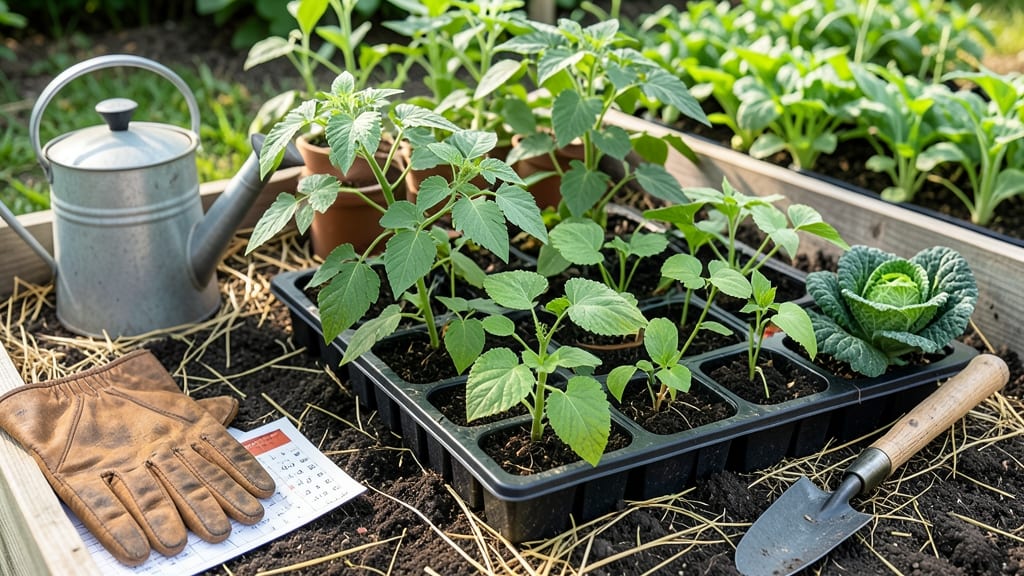
Planting a vegetable garden in Mississippi at the right time means the difference between a bountiful harvest and a sad, wilted mess—especially in USDA Zone 8A, where heat and humidity play by their own rules.
Mississippi’s long, hot summers and mild winters create the perfect conditions for growing heat-loving vegetables—but planting too early or late can mean wasted effort and poor harvests.
Timing is everything, especially when you’re dealing with crops that bolt in the heat or struggle to set fruit if the weather turns too warm too soon.
If you’ve ever watched your seedlings shrivel under a late frost or seen your tomatoes turn to mush in July’s heat, you know how critical getting the timing right can be.
The key is understanding Mississippi’s microclimates, from the cooler hills of the north to the steamier lowlands of the south, and aligning your planting schedule with the state’s frost dates.
In this guide, I’ll break down the exact months to plant everything from leafy greens to Southern staples like okra and collards, plus pro tips for extending your growing season and avoiding common pitfalls. Let’s get those 🌱 thriving!
Mississippi planting calendar: exact months for vegetables by type
Mississippi’s USDA Zone 8A climate gives gardeners a 120-day growing window between the last frost (March 15) and first frost (November 15). But not all vegetables thrive in this heat—some need cool spring shoulders, while others demand summer’s scorching sun.
Understanding these planting windows ensures your garden produces bountiful harvests instead of wilted disappointment. 🌱
Northern Mississippi (like Tupelo and Oxford) has slightly cooler springs, while southern regions (such as Jackson and Biloxi) experience earlier heat. This means timing adjustments of 1-2 weeks between zones.
For example, cool-season crops like broccoli can go in late February in the south but wait until March 15 in the north. Let’s break down the exact planting months for your garden’s success. 🌿
For cool-season crops like spinach and broccoli, the key is planting early enough to avoid boltng (premature flowering) from Mississippi’s rapid spring warming. In North Mississippi, wait until March 15 to ensure soil stays cool.
In the South, you can start as early as February 1, but use shade cloth to protect seedlings from unpredictable warm spells. 🌡️
Warm-season vegetables like tomatoes and peppers demand patience—planting too soon leads to stunted growth or blossom-end rot. Aim for April 15–May 15 when soil temperatures hit 60°F. Start seeds indoors in March for a head start. If you’re in South Mississippi, you can push tomatoes into the ground by April 1, but Northern gardeners should wait until May 1 to avoid frost damage. ☀️
Mississippi’s summer heat isn’t just tolerable—it’s ideal for heat-loving crops like okra and sweet potatoes. These plants thrive in 90°F+ temperatures, so plant them June 1–July 15 for a fall harvest.
Okra, for example, bolts quickly if planted too early, so don’t rush it. Sweet potatoes, on the other hand, need warm soil to germinate—wait until after Memorial Day for best results. 🌻
Don’t overlook fall planting—it’s your second chance for cool-season greens like lettuce and radishes. Sow these August 1–September 15 for harvests before the first frost (November 15).
Use row covers to extend the season by 2-3 weeks. This strategy lets you enjoy fresh salads well into October, even in Mississippi’s heat. 🥬
For succession planting, focus on fast-growing crops like beans, carrots, and zucchini. Plant every 2-3 weeks from April to October to ensure a continuous harvest.
For example, bush beans mature in 50-60 days, so a June 1 and July 15 planting will give you two harvests before frost. This method maximizes your garden’s productivity and minimizes waste. ✂️
Mississippi’s microclimates mean your neighbor’s planting success might not match yours. If you’re in a low-lying area, frost can linger 1-2 weeks later than higher elevations. Similarly, urban gardens in cities like Jackson may experience heat islands
How to adjust planting times for Mississippi’s heat and humidity
Mississippi’s heat and humidity demand smart adjustments to traditional planting schedules. The key is extending seasons while avoiding stress-related issues like bolting in lettuce or blossom-end rot in tomatoes.
By leveraging succession planting, shade solutions, and mulching, you can maximize your garden’s potential in USDA Zone 8A.
Start by planting heat-loving crops like okra and sweet potatoes in early summer (June) for fall harvests. This timing avoids the peak summer heat while still capitalizing on Mississippi’s long growing season.
For cool-season crops, use row covers or cold frames to push planting dates 2-3 weeks later than typical northern guidelines.
⚠️ callout warning ⚠️
⚠️ Mississippi-Specific Pitfalls
Bolting in greens: Plant spinach and kale in fall or early spring (Sept-Oct or Feb-Mar) to avoid premature flowering from spring heat. Use shade cloth (30-50%) if planting in late spring.
Blossom-end rot in tomatoes: Maintain consistent soil moisture (1-2 inches of water weekly) and mulch heavily to prevent calcium uptake issues during July-August heatwaves.
Fungal diseases: Water early morning only and space plants for air circulation to reduce powdery mildew and early blight in tomatoes.
For succession planting, focus on fast-growing crops like bush beans, radishes, and lettuce. Sow every 2 weeks from March to September to ensure a continuous harvest.
In late summer, switch to heat-tolerant varieties such as Malabar spinach or Swiss chard, which thrive when temperatures exceed 90°F.
Shade cloth is your best friend during June-July. Use 30% shade for greens and 40% shade for herbs like basil to prevent wilting. Install hoop houses over cool-season beds in September to extend harvests until November’s first frost. Pair this with 2-3 inches of mulch (straw or pine needles) to retain soil moisture and regulate temperature.
Mississippi’s humidity also means pest pressure is higher. Rotate crops annually to break disease cycles and interplant marigolds with tomatoes to repel nematodes. Monitor squash vine borers in July-August by checking for frass (sawdust-like debris) on stems. Remove affected vines immediately to prevent spread.
Finally, adjust your soil prep for the climate. Amend beds with compost and aged manure before planting to improve drainage—critical in Mississippi’s clay-heavy soils.
Test your soil’s pH (6.0-6.8) and add lime or sulfur as needed. Drip irrigation is ideal for water efficiency and disease prevention compared to overhead sprinklers.