
Planting
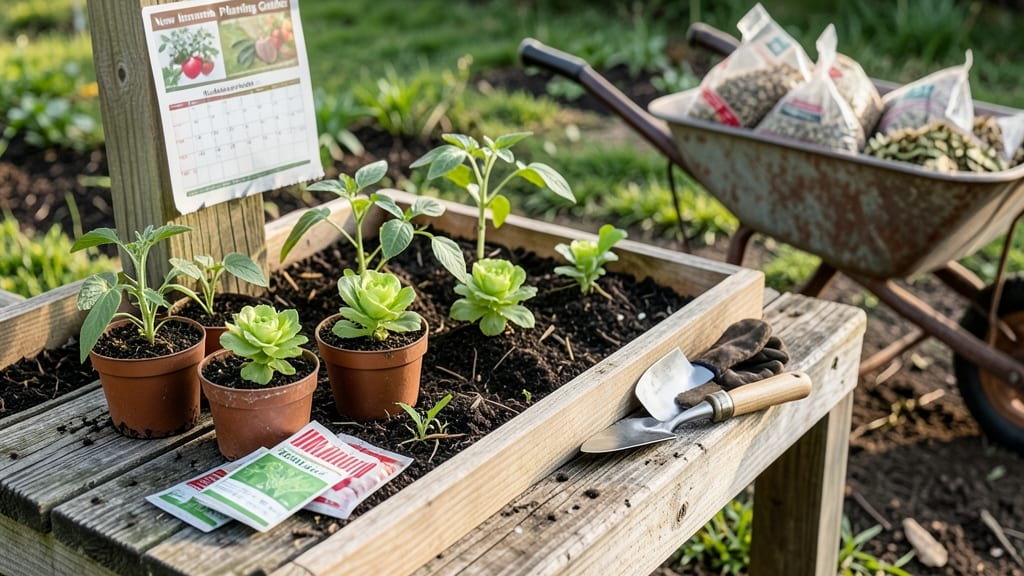
To plant a garden in New Brunswick at the perfect time, aim for mid-April to early June after the last frost—or late July to early August for fall crops, when the soil warms just enough for General Garden Vegetables & Flowers 🌱 to thrive.
New Brunswick’s unpredictable climate can turn a gardener’s dream into a gamble—but timing your plantings by the province’s distinct frost zones ensures your vegetables thrive from seed to harvest.
In Zone 5a, where most of the province falls, cool-season crops like peas and lettuce can go in as early as March if you use row covers, while tomatoes and peppers need to wait until late May or early June. Getting this wrong means either stunted plants or wasted seed.
Below, I break down the exact planting windows by crop, soil prep tips for New Brunswick’s heavy clay or sandy loam, and how to stretch your growing season with cold frames—so you can avoid the most common mistakes and enjoy a harvest from June to October.
New Brunswick planting dates by frost Zone (exact months for each region)
New Brunswick spans USDA Hardiness Zones 3-5, meaning your planting schedule should shift slightly depending on whether you're in Fredericton (Zone 4b-5a), Saint John (Zone 5a-6a), or rural areas near the Bay of Fundy (Zone 4a-5b).
These zones determine when to start seeds indoors, transplant seedlings, and sow directly into the soil.
For cool-season crops like kale, spinach, and peas, you can start planting as early as late March to early April under protection. Warm-season crops such as tomatoes, peppers, and cucumbers should wait until after the last frost date, which typically falls between mid-May and early June depending on your location.
Below is a region-specific planting calendar that aligns with New Brunswick’s frost-free periods. Use this as your guide to avoid frost damage and maximize your harvest potential.
🌱
In Zone 4a-4b (common in rural areas), you’ll need to extend your season with row covers or cold frames for heat-loving plants like peppers and eggplants. These areas also benefit from early starts indoors—begin seeds for tomatoes and peppers in March to give them a head start.
For Zone 5a-6a (Saint John, Moncton), you have a slightly longer growing season. This means you can direct-sow beans and squash as early as early May and even attempt a second planting of cool crops in late July for a fall harvest.
Always monitor local weather forecasts in late April and May, as late frosts can still occur. If frost is predicted, cover tender plants with frost cloth or move potted plants indoors temporarily.
🌿
Pro tip: Use biodiversity to your advantage by planting early, mid, and late varieties of the same crop. For example, sow lettuce every 2 weeks from April to July to ensure a continuous harvest until frost.
For perennials and flowers, most can be planted in early spring (April) or fall (September). However, tender perennials like cannas should wait until after the last frost to avoid damage.
🌻
How to adjust planting times for New Brunswick’s microclimates and soil conditions
New Brunswick’s varied landscapes mean your Fredericton garden might experience warmer springs than Saint John’s coastal breeze. Urban areas often trap heat, while rural spots stay cooler. These microclimates can shift planting windows by 2-3 weeks—so adjust accordingly.
Sandy soils drain quickly but lack nutrients, while clay holds moisture but suffocates roots. Test your soil first! Amend sandy areas with compost and clay with organic matter to balance drainage. Wind exposure also matters—sheltered spots can support earlier plantings.
Adjusting Planting Times by Microclimate
- ✅ Start warm-season crops 1-2 weeks earlier
- ✅ Use reflective mulch to retain heat
- ✅ Delay planting by 1-2 weeks for frost risk
- ✅ Choose hardier varieties (e.g., cold-tolerant kale)
- ✅ Plant drought-tolerant crops (e.g., beans, squash)
- ✅ Water deeply 2x/week instead of daily
- ✅ Amend with compost + sand before planting
- ✅ Avoid waterlogging with raised beds
Extend your growing season with cold frames or row covers. These let you plant cool-season crops like spinach 3-4 weeks before the last frost. For warm-season crops, use row covers to create microclimates and plant tomatoes 2 weeks earlier than usual.
Monitor local weather forecasts and adjust planting dates if unexpected frosts are predicted. Hardy crops like peas and kale can handle cooler temps, while sensitive plants like basil need consistent warmth. Always have backup row covers ready for late springs.
For urban gardeners, container gardening gives you control over soil conditions. Use well-draining mixes and move pots to sunnier spots as the season progresses. Rural gardeners can leverage natural windbreaks like hedgerows to create sheltered planting zones.
Remember: New Brunswick’s short growing season demands precision. By adjusting for your specific microclimate and soil type, you’ll maximize yields and enjoy fresh produce from June to October.