Planting
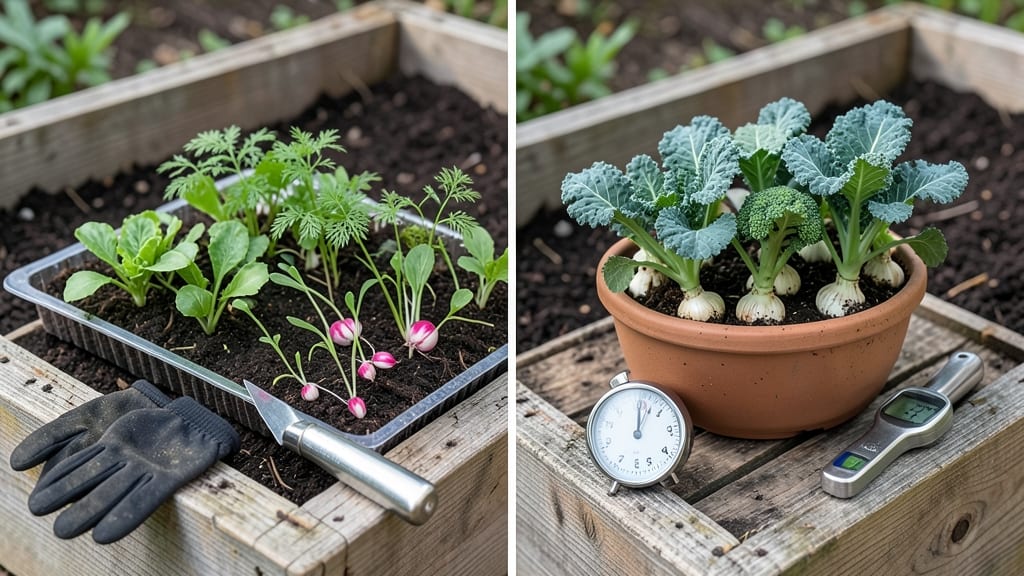
Planting a garden in Washington State means timing your seeds with the last frost — usually mid-April in the Puget Sound and late May in Eastern WA, depending on your zone.
Washington State’s diverse climate—from rainy coastal regions to dry inland valleys—means planting your garden at the wrong time can spell disaster for your hard work.
Get the timing exactly right with these zone-specific deadlines, tailored to Washington’s unique microclimates, so your seeds sprout when the soil is warm and the frost is gone for good.
Cool-season crops like spinach and peas can go in as early as February in milder zones, while tomatoes and peppers need to wait until after May 15 in most areas.
The key is knowing your last frost date and adjusting for elevation—high desert regions like Yakima can be weeks ahead of Seattle.
Below, I break down the best planting windows by crop, regional frost charts, and pro tips to extend your growing season—whether you’re in the wet coastal zones or the hotter inland valleys. No more guessing, just frost-free success.
Washington State planting zones: last frost dates by region (2024 guide)
Washington State’s USDA Hardiness Zones 7b-9a create a gardening puzzle where microclimates dictate success. Coastal areas like Seattle enjoy milder winters, while Spokane and Yakima face earlier frosts due to elevation and continental climate.
These differences mean your tomato seeds might thrive in one region but fail in another if planted at the wrong time.
Understanding your last average frost date is critical—it’s the moment when warm-season crops like peppers and squash can safely hit the soil. In Western Washington, this often lands in mid-April to early May, while Eastern Washington gardeners may wait until late May or June.
Let’s break down the specifics so you can align your planting calendar with your local climate.
Here’s how elevation and proximity to Puget Sound shift frost dates by weeks, creating planting windows that feel like entirely different gardens just 100 miles apart. For example, Seattle’s coastal moderation can give you 3-4 weeks earlier starts than inland areas at the same latitude.
| Region | USDA Zone | Last Avg. Frost | First Avg. Frost | Warm-Season Planting Window |
|---|---|---|---|---|
| Seattle (Coastal) | 8a | April 15 | October 30 | Mid-April to early June |
| Olympia (Coastal) | 8b | April 10 | November 5 | Early April to late May |
| Yakima (Inland) | 7b | May 20 | October 10 | Late May to early July |
| Spokane (Eastern WA) | 6b | May 30 | September 25 | Late May to mid-July |
| Bellingham (Coastal) | 8a | April 20 | October 20 | Late April to early June |
If you’re growing cool-season crops like kale or peas, you can often start them 4-6 weeks before your last frost date. But for tomatoes, peppers, and squash, wait until the soil temperature hits at least 60°F (15°C)—typically 2-3 weeks after your last frost date.
In Seattle, that means late April for early varieties, while Spokane gardeners should hold off until early June.
Don’t forget that elevation plays a huge role. Areas like Leavenworth (elevation 3,000+ ft) can have frost dates 3 weeks later than nearby Wenatchee. Always check local weather stations or National Weather Service data for your exact location—your neighbor’s garden might be in a completely different microclimate!
For fall planting, first frost dates are equally important. Coastal areas like Port Townsend can extend your growing season into early November, while inland valleys may see frost by mid-October.
Fast-maturing crops like radishes or bush beans are perfect for late-season planting, giving you a harvest before winter sets in.
Pro tip: Use row covers or cold frames to push your planting window 2-3 weeks earlier in spring or 1-2 weeks later in fall. This is especially useful in Zone 7b areas like Yakima, where the growing season feels short.
Just be prepared to remove covers if temperatures spike above 85°F (29°C).
Always test your soil temperature with a soil thermometer—50°F (10°C) is ideal for cool-season crops, while 60-70°F (15-2
Best months to plant vegetables in Washington: a month-by-month survival guide
Washington’s cool, wet winters and mild summers create a unique gardening calendar. Unlike many states, we can grow two full harvests—one in spring and another in fall—if you time your plantings right.
The key is understanding cool-season vs. warm-season crops and when to start seeds indoors for our short growing windows, especially in Eastern WA.
Western WA (Seattle, Olympia) has longer frost-free seasons (150-200 days), while Eastern WA (Spokane, Yakima) often sees only 90-120 frost-free days. This means staggered planting and early starts indoors are essential for success. Let’s break it down by month so you never miss a planting window again.
- March-April: Start cool-season crops indoors (spinach, lettuce, kale). Direct-sow hardy greens (peas, radishes) once soil reaches 40°F.
- May: Plant warm-season starts (tomatoes, peppers) after last frost. Use row covers for early protection in Eastern WA.
- June: Direct-sow heat-loving crops (beans, cucumbers, squash) once soil hits 60°F. Succession plant lettuce for fall harvest.
- July-August: Plant fall broccoli, cabbage, and carrots for harvest before first frost. Avoid planting warm-season crops—they’ll bolt.
- September: Last chance for fast-maturing crops (bush beans, radishes). Start overwintering onions from seed.
For Eastern WA’s shorter seasons, begin tomato and pepper seeds indoors in February (8-10 weeks before last frost). In Western WA, you can wait until March for the same crops. Staggered planting every 2 weeks ensures a continuous harvest—try this with lettuce, carrots, and beans.
Pro tip: Use frost dates as your guide, not the calendar. Check your local USDA zone (Western WA: 7b-9a; Eastern WA: 5b-7a) and adjust by 2-3 weeks if you’re in a high-elevation area like the Cascades. Always harden off seedlings before transplanting to avoid shock.
Don’t forget fall planting—it’s when many gardeners get their most productive harvests. Cool-season crops like kale, Brussels sprouts, and spinach actually sweeten with frost, making fall the perfect time to plant them. Just be sure to cover young plants if an early frost sneaks in.
With this month-by-month plan, you’ll maximize your garden’s potential and enjoy fresh produce from spring through fall. Happy planting—your future salads and stir-fries will thank you! 🌱