Planting
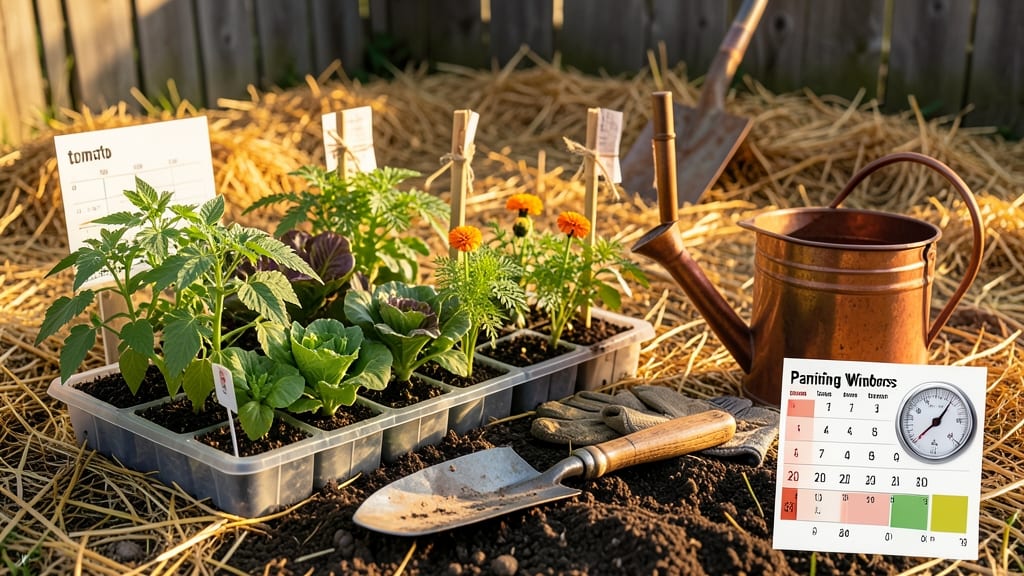
Planting a garden in Washington, DC, at the right time means the difference between a thriving harvest and wasted effort — especially in Zone 7b, where late frosts and sudden heatwaves can derail even the best-laid plans.
Picture this: You’ve prepped your soil, ordered your seeds, and cleared your schedule for planting day — only to watch your seedlings freeze in a mid-April frost or bolt into flower under June’s relentless sun.
That’s why timing isn’t just about dates; it’s about reading DC’s microclimates, from the heat islands of downtown to the cooler pockets near the Anacostia.
In this guide, I’ll walk you through the exact planting windows for cool-season crops (think kale and peas), warm-season stars (tomatoes and peppers), and fall veggies that thrive in DC’s 180 frost-free days.
You’ll also learn how to adjust for unpredictable weather, from soil temperature tricks to backup planting dates that keep your garden on track.
Ready to turn your garden dreams into reality? Let’s get those 🌱 seeds in the ground at the perfect moment — no guesswork, just green thumbs.
Washington DC planting calendar by season: exact dates for Zone 7b success
Washington DC’s Zone 7b climate creates a delicate balance between early springs and late frosts, making precise planting timing critical. The average last frost date hovers around April 15, but urban heat islands can push this back by 1-2 weeks in city centers.
Rural areas may experience frost 10-14 days later, so always check local forecasts before planting.
For cool-season crops, start seeds indoors 6-8 weeks before your target outdoor date. Leafy greens like spinach and kale can handle light frosts, while root vegetables such as carrots and beets prefer cooler soil.
Warm-season plants like tomatoes and peppers need soil temperatures above 60°F—wait until May 1 in most of DC to avoid stunted growth.
Here’s your seasonal planting breakdown for DC’s unique microclimates, including adjustments for urban heat islands versus cooler suburban/rural areas:
| Season | Plant Type | Urban DC Dates | Suburban/Rural Dates | Key Notes |
|---|---|---|---|---|
| Spring | Cool-Season Crops | March 1–April 15 | March 15–April 22 | Start peas/lettuce early; protect with row covers if frost threatens. |
| Spring | Warm-Season Crops | May 1–May 15 | April 25–May 1 | Wait for soil >60°F; use black plastic mulch to warm beds faster. |
| Summer | Succession Planting | June 1–July 15 | May 20–June 30 | Sow beans/cucumbers every 2 weeks for continuous harvests. |
| Fall | Cool-Season Crops | August 15–September 15 | August 1–September 10 | Plant kale/radishes 60 days before first frost (Nov 15). |
| Winter | Cold-Hardy Greens | October 1–November 1 | September 15–October 15 | Spinach and arugula thrive in 40–50°F soil; protect with frost cloth. |
Urban heat islands in DC can raise soil temperatures by 5–10°F, accelerating growth but also increasing water needs. Rural areas often have cooler nights, which benefit heat-sensitive crops like cucumbers and melons.
Use a soil thermometer to confirm readiness—warm-season crops need 60°F+ for 7+ days before planting.
For fall planting, aim to harvest before first frost (Nov 15). Broccoli and cabbage planted in late August will mature by October, while radishes and lettuce can be sown as late as September 15.
Extend your season with row covers or a cold frame—these can add 2–4 weeks of growing time.
Adjust for microclimates: North-facing yards stay cooler, while south-facing walls create heat pockets. Container gardens in urban areas dry out faster, so check moisture daily. Mulch with straw to retain soil moisture and regulate temperature swings—a must for DC’s humid summers and chilly springs.
Pro tip
How to adjust planting times for Washington DC’s unpredictable weather patterns
Washington DC’s Zone 7b climate throws curveballs with late spring frosts and sudden summer heatwaves, making precise planting timing non-negotiable. I’ve learned the hard way—skipping soil temperature checks once cost me an entire tomato harvest.
The key? Flexibility. Adjust your planting schedule based on real-time conditions, not just calendar dates.
Start by monitoring soil temperatures—most warm-season crops like peppers and cucumbers need soil at 60°F+ before planting. Use a soil thermometer (I swear by the Thermopro model) and test in the morning when temps are coolest.
If your soil is still chilly by May 15, delay planting or use black plastic mulch to warm it faster.
- 1 Use row covers for late frosts (e.g., Reemay fabric) to protect tomatoes and peppers until May 30. Remove covers when temps hit 75°F+ to prevent overheating.
- 2 Plant heat-loving crops like okra and sweet potatoes in late June for a fall harvest. These thrive in DC’s 90°F+ summers and tolerate humidity better than tomatoes.
- 3 Set backup planting dates for high-value crops: Tomatoes (June 1), Peppers (June 15), Cucumbers (June 10). Use these if your first planting fails due to pests or weather.
- 4 Extend the season with cold frames for fall greens (kale, spinach). Place frames over beds by September 1 to push harvests into November before hard frosts hit.
- 5 Watch for humidity spikes—DC’s 70%+ humidity in summer invites powdery mildew. Space plants 12-18 inches apart for airflow and water early in the day to let foliage dry.
For tomatoes and peppers, my go-to backup strategy is successive planting. If your first batch gets hit by late-May frosts, sow a second round 2-3 weeks later. I’ve had heirloom tomatoes ripen in September this way—just stagger plantings every 10 days until June 20.
Don’t overlook fall planting either. DC’s first frost usually arrives November 15, but you can still grow cool-season crops like broccoli and carrots if planted by August 15. Use row covers to shield them from light frosts (down to 25°F) and enjoy harvests through December.
Pro tip: Keep a gardening journal to track your local frost dates and heatwaves. I’ve noticed my Rock Creek Park garden stays 5°F warmer than my Petworth neighborhood plot—microclimates matter! Adjust your planting times accordingly, and you’ll outsmart DC’s weather every time. 🌱