
Planting
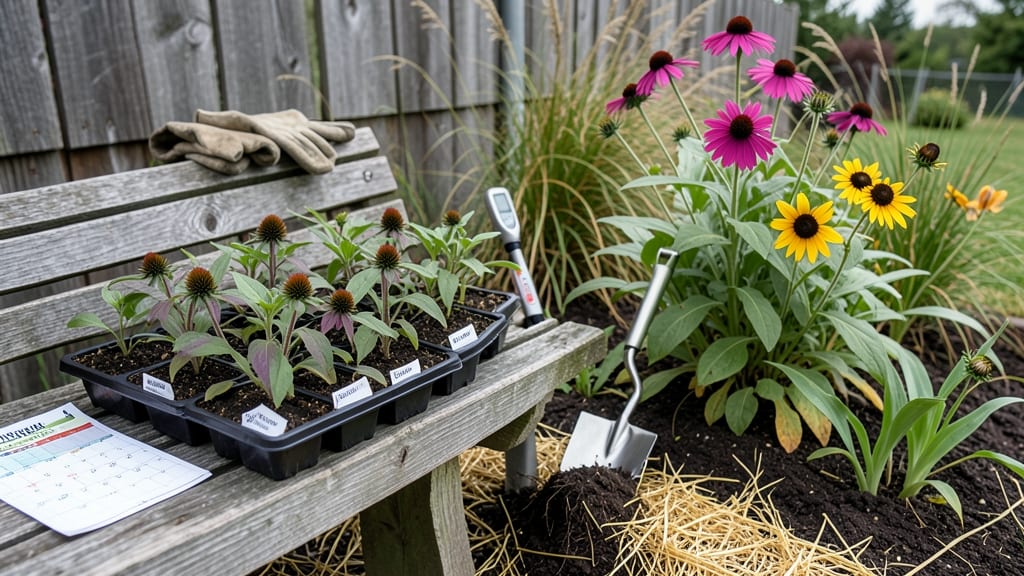
Planting your Garden in Minnesota means timing it right to beat the frost—most years, the last freeze lingers until mid-May, and waiting too long risks a short harvest.
Minnesota gardeners know timing is everything—plant too early and frost will strike, too late and your harvest suffers. With USDA Zones 4B/5A’s unpredictable swings, knowing exactly when to plant can mean the difference between a thriving garden and a failed season.
This guide breaks down the critical windows for spring and fall planting, from hardy peas in April to late-season kale in September, plus how to stretch your season with row covers and smart crop choices.
You’ll learn the exact frost dates for Minneapolis, St. Paul, and rural areas, plus which cold-hardy varieties thrive in Minnesota’s short growing season—so you can plant with confidence and avoid the common mistakes that waste time and money.
Minnesota planting deadlines by season: frost dates and safe last-freeze windows
Timing your Minnesota garden is all about frost dates and microclimates. The state’s USDA Zones 4B/5A bring unpredictable swings, so knowing when to plant—whether for cool-season crops or warm-season favorites—is critical.
Rural areas often experience frost 1-2 weeks earlier than cities like Minneapolis or St. Paul, so adjust your schedule accordingly.
For spring planting, the average last frost date in Minneapolis and St. Paul typically falls between May 10-20, while rural areas can see frost lingering until May 25-30.
In fall, the first frost usually hits September 20-October 10 in cities, but rural gardens may face frost as early as September 10.
Use these frost-free windows to guide your planting:
- Early spring (March-April): Cold-hardy crops like kale, peas, and spinach
- Late spring (May-June): Warm-season plants like tomatoes, peppers, and cucumbers
- Fall (August-September): Broccoli, carrots, and lettuce for a late harvest
| Season | Average Last Frost (Minneapolis/St. Paul) | Average Last Frost (Rural MN) | Safe Planting Window | Notes |
|---|---|---|---|---|
| Spring | May 10-20 | May 25-30 | After last frost (May 21-June 1) | Warm-season crops need soil at 60°F+ |
| Fall | September 20-October 10 | September 10-15 | 6-8 weeks before first frost | Cold-hardy crops like kale thrive |
| Microclimates | South-facing slopes: 1-2 weeks earlier | Low-lying areas: 1-2 weeks later | Adjust by 7-14 days | Use row covers for extended seasons |
Adjust your planting deadlines based on your specific location. Urban areas like Minneapolis often have warmer microclimates due to concrete and buildings, while rural gardens near lakes or forests may stay colder longer. For example, south-facing slopes can be 1-2 weeks warmer than flat ground, allowing earlier planting.
If you’re unsure, use the "10-day rule": Wait 10 days after the average last frost to plant warm-season crops like tomatoes or peppers. This buffer accounts for late frosts. For cold-hardy crops like spinach or peas, you can plant 2-4 weeks before the last frost—they’ll survive light frosts.
For fall planting, aim to harvest before the first frost. Broccoli and carrots planted in late July or early August often mature before frost hits. Use row covers to extend the season by 2-4 weeks in both spring and fall.
Track your local frost dates using the National Weather Service or Almanac.com. In my garden, I’ve found that rural areas near the Canadian border (e.g., International Falls) can have frost until June 5, while southern Minnesota (e.g., Rochester) may see frost-free soil by May 5.
Pro tip: Plant fast-maturing varieties (e.g., bush beans or radishes) to maximize your short growing season. These crops can go from seed to harvest in 40-60 days, giving you flexibility if frost arrives early.
Finally, monitor soil temperature, not just air temperature. Use a soil thermometer to ensure warm-season crops have soil at least 60°F before planting. Cool soil slows germination, even if air temps seem ideal.
With these frost-free windows and microclimate adjustments, you’ll avoid the heartbreak of frost-nipped seedlings and enjoy a bountiful Minnesota harvest. Happy planting! 🌱
Best vegetables to plant in Minnesota’s short growing season (with exact timing)
Minnesota’s short 120-day growing season demands smart choices—prioritize cold-hardy and fast-maturing vegetables to maximize harvests. The key? Planting at the right time to avoid late spring frosts or early fall freezes. I’ve tested these varieties in Zone 4B/5A and refined the timing for reliability.
Start with cool-season crops like peas and spinach in early April (as soon as soil thaws), then transition to heat-lovers like tomatoes and peppers in late May/early June. For fall, focus on kale and radishes planted by mid-August—they’ll thrive in cooler temps and even tolerate light frosts.
📅 Minnesota Planting Timeline by Crop Type
- Early Spring (April): Peas, spinach, lettuce, radishes, kale (plant 4-6 weeks before last frost)
- Late Spring (May): Broccoli, cabbage, beets, carrots, potatoes (after last frost, soil at 50°F+)
- Summer (June): Tomatoes, peppers, cucumbers, beans, zucchini (after soil warms to 60°F+)
- Fall (August-Sept): Kale, spinach, radishes, turnips, Swiss chard (6-8 weeks before first frost)
💡 Pro Tip: Use row covers to extend early/late seasons by 2-3 weeks.
For succession planting, prioritize fast growers like radishes (25 days) and bush beans (50 days). Sow every 2 weeks from May through July to ensure continuous harvests. My tomatoes thrive when transplanted after Memorial Day—waiting ensures warmer soil and fewer blossom-end rot issues.
Don’t overlook perennial vegetables like asparagus and rhubarb—they establish roots in spring and reward you for years with minimal effort. Plant crowns in early spring (March-April) for a 3-year harvest window. Pair them with annuals like lettuce for a layered garden that stretches your season.
Heat-tolerant varieties like ‘Early Girl’ tomatoes and ‘Sweet 100’ peppers are my go-tos—they mature in 60-70 days, perfect for Minnesota’s short summer. Stagger plantings every 10 days to avoid glutting your kitchen (or neighbors’!) with zucchini or cucumbers.
Save space for fall crops like garlic—plant cloves in October for a summer harvest the next year. It’s a zero-maintenance way to claim garden real estate early. Pair it with overwintering onions for a dual-purpose plot.