
Planting
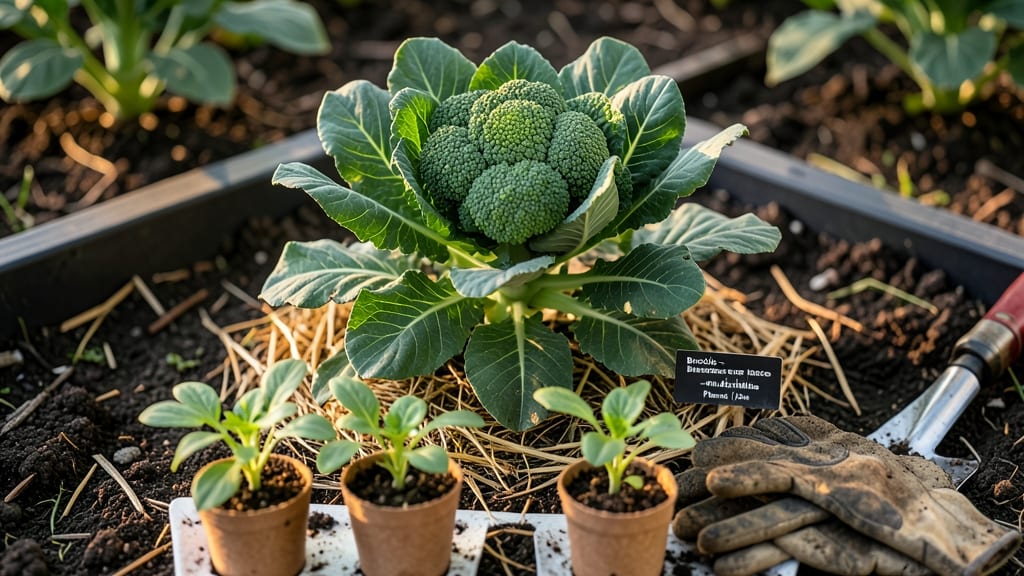
Planting a fall garden in Texas means timing your sowing to beat the heat and harvest before winter ⏳—start seeds between mid-August and early October for the best results.
Texas gardeners know summer heat can make planting feel like a losing battle—but fall gardens thrive with the right timing. Learn the exact weeks to sow heat-tolerant crops in each Texas growing zone to avoid scorched seedlings and maximize harvests before winter.
In 8a-10b zones, your window to plant 🍅🥬🌽 like okra, collards, and kale is narrow. Miss it, and you’ll either fry your seedlings in September heat or watch them bolt before frost.
The key is choosing fast-maturing varieties and knowing your region’s first frost date—North Texas (around November 15) vs. South Texas (closer to December 15).
Below, I break down the zone-by-zone deadlines, the heat-tolerant crops that work, and the soil prep tricks to give your fall garden the best shot at success—without the guesswork.
Texas fall planting deadlines by growing zone (with heat-tolerant crop lists)
Texas gardeners know summer heat can make planting feel like a losing battle—but fall gardens thrive with the right timing. The key is planting heat-tolerant crops during optimal windows before the first frost arrives.
In North Texas (Zones 7-8), frost typically hits by mid-November, while South Texas (Zones 9-10) can extend planting until early December. Understanding these deadlines ensures your seedlings don’t bolt or wilt in the heat.
Fall planting in Texas isn’t just about avoiding frost—it’s about leveraging residual summer heat while preparing for cooler temperatures. For example, okra and sweet potatoes can handle 90°F+ soil temps, while kale and broccoli prefer 60-75°F for optimal growth.
Below, I’ve broken down the exact last-sowing dates for 10+ heat-tolerant crops by zone, so you can plan with precision.
⚠️ NON-NEGOTIABLE: Texas’ first frost dates vary wildly—from November 15 in Zone 7 to January 1 in Zone 10. Use these deadlines as your hard stop for direct sowing, but remember: transplants (like tomatoes or peppers) can handle slightly later dates with row covers.
| Zone | Crop | Last Sow Date | Heat Threshold (°F) | Days to Harvest | Notes |
|---|---|---|---|---|---|
| 7-8 | Okra | Sept 15 | 90-100°F | 50-60 | Sow after soil temps drop below 95°F |
| 7-8 | Sweet Potatoes | Aug 15 | 85-95°F | 90-120 | Plant slips in warm soil |
| 7-8 | Kale | Sept 1 | 60-75°F | 45-60 | Sweetest after frost |
| 9-10 | Black-Eyed Peas | Oct 1 | 75-85°F | 60-75 | Tolerates light frost |
| 9-10 | Collard Greens | Sept 15 | 65-80°F | 50-70 | More tender after frost |
| 7-10 | Carrots | Sept 1 | 70-80°F | 60-80 | Sow in
How to extend your Texas fall garden season without risking frost damageTexas gardeners know that while summer can be brutal, fall offers a second chance to grow delicious crops—but only if you act strategically. The key to extending your harvests lies in combining cold-hardy varieties, protective covers, and succession planting. These techniques let you push your garden well past the first frost date without sacrificing plants to freezing temperatures. First, focus on fast-maturing varieties that can tolerate cooler nights while still producing. Crops like spinach, radishes, and turnips thrive in Texas's mild fall temperatures and can often be harvested before hard frosts arrive. Pair these with row covers or low tunnels to create a microclimate that traps warmth and shields plants from sudden cold snaps. Succession planting is another game-changer. Instead of planting everything at once, stagger your sowings every 2-3 weeks for crops like lettuce and kale. This ensures a continuous harvest and reduces the risk of losing your entire crop to an unexpected frost. For example, if your first frost is typically around November 15, start your final succession planting around October 1 to give plants enough time to mature. 3 Proven Techniques to Extend Your Texas Fall Garden
Don’t overlook soil preparation—amend your beds with compost or aged manure before planting to improve drainage and nutrient availability. Cold soil slows root growth, so aim for a soil temperature of at least 60°F before sowing. Use a soil thermometer to monitor conditions, especially in North Texas where nights can drop quickly. For high-value crops like tomatoes or peppers, consider container gardening. Move pots to a sheltered location (like a garage or under an eave) during cold snaps and bring them back out during the day. This flexibility lets you protect plants without permanent structures. Pair containers with heat-retaining materials like cardboard boxes wrapped around the base to insulate roots. Finally, keep an eye on the 10-day forecast and have emergency frost blankets on hand. If a hard freeze is predicted, cover plants with lightweight row fabric or even old bedsheets secured with clips. Water the soil before covering to release heat as it freezes—a simple trick that can save your plants from damage. |