
Planting
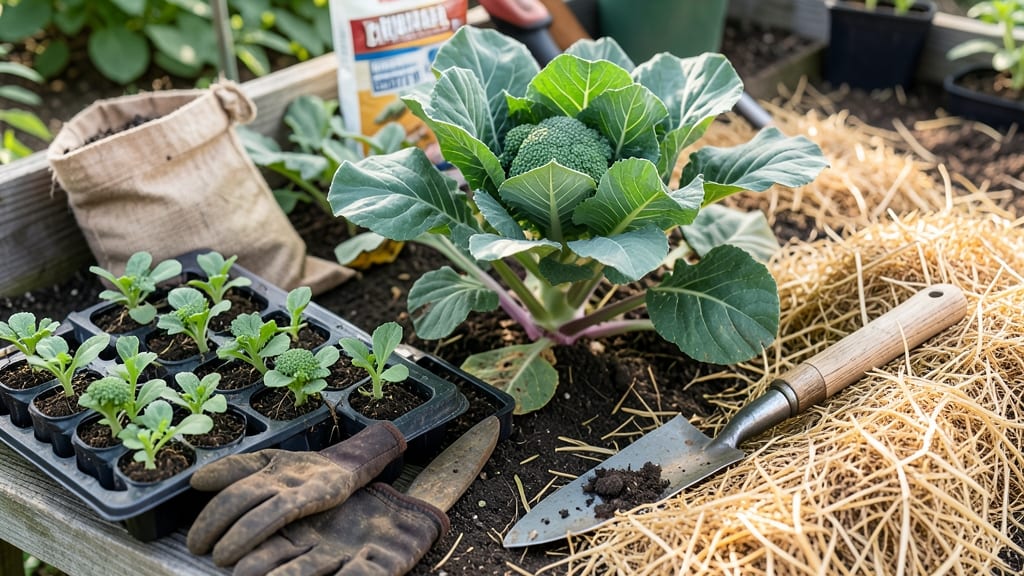
Planting a fall garden in South Texas starts as early as August—when the summer sun is still fierce but the days grow shorter, giving heat-loving crops like okra and sweet potatoes their best shot at thriving before frost.
Here’s the catch: South Texas gardeners can’t rely on the same rules as northern states. With rare frost and 300+ frost-free days, your window isn’t just about avoiding cold—it’s about beating the heat while still setting up crops for a long harvest.
In this guide, I’ll break down the exact month-by-month timeline for planting heat-tolerant vegetables, herbs, and flowers, plus how to stretch your harvest past December when the nights finally cool down.
You’ll learn which crops to start in late July (yes, really), how to read your soil’s temperature, and the one mulching trick that keeps roots cool even when the air is still in the 90s.
South Texas fall planting calendar: exact dates for heat-tolerant crops
South Texas’s long growing season means you can still plant a productive fall garden even as summer lingers. The key is selecting heat-tolerant crops and timing plantings to avoid early frost risks (typically mid-November).
Unlike northern regions, your last chance to sow warm-season crops is late August, while cool-season crops can handle light frosts if planted by October 15.
This calendar breaks down exact planting windows for your region’s USDA Zones 9a-10a, accounting for soil warmth and rainfall patterns. Whether you’re growing okra for late harvests or collards for frost resistance, these dates ensure maximum yield before winter sets in.
Pro Tip: Use mulch heavily (straw or black plastic) to retain soil heat in September and prevent temperature swings that stress young plants. This extends the window for heat-loving crops by 2-3 weeks.
For okra and sweet potatoes, start seeds indoors in late July to transplant by August 1. These crops thrive in 90°F+ soil and can produce harvests until November 1 if given consistent water. My top pick is ‘Clemson Spineless’ okra—it handles South Texas heat better than most varieties.
Transition crops like green onions and radishes bridge the gap between summer and fall. Plant them in early September for a harvest by October 15, just as cooler temps arrive. These fast growers (30-40 days) give you a quick nutrient boost before heavier crops like broccoli mature.
By mid-October, focus shifts to frost-resistant greens. Collards and kale can tolerate light frosts (28°F) and even taste sweeter after exposure. I’ve seen my ‘Georgia Southern’ collards survive until December 15 with proper mulching—often outyielding spring plantings.
Succession planting is your secret weapon. For example, sow radishes every 2 weeks from September 1 to October 15 to ensure a steady supply. This staggered approach prevents glut and maximizes space, especially in small urban gardens.
Watch for unpredictable heat spikes in late October. Even in Zone 9, temperatures can dip below 50°F at night, shocking heat-loving crops. Use row covers or cold frames for sensitive plants like tomatoes and peppers to extend their season by 3-4 weeks.
Remember: South Texas’s long frost-free window (300+ days) lets you experiment with unusual crops. Try Malabar spinach (heat-loving) or fava beans (cold-hardy) for a unique twist. My garden’s favorite late-season crop is ‘Texas Blue’ fava beans—they handle light frosts and fix nitrogen in the soil.
🌱
Best heat-tolerant crops for South Texas fall gardens (and how to extend their season)
South Texas’s fall gardens thrive when you choose heat-tolerant crops that outlast summer’s lingering heat. Unlike northern climates, our USDA Zones 9a-10a allow for extended growing seasons—meaning you can push harvests well into November or December with the right strategy.
The key? Selecting varieties that handle 90°F+ soil temps while still maturing before the rare frost. My top picks? Okra, black-eyed peas, kale, and turnips—all of which perform when others wilt.
Succession planting is your secret weapon here. By staggering plantings every 2-3 weeks from mid-August through September, you’ll create a rolling harvest that keeps your kitchen stocked. Pair that with mulching (2-3 inches of straw or wood chips) to regulate soil temperature and retain moisture. I’ve even seen sweet potatoes and collard greens thrive when planted in late August—just don’t let them bolt from sudden cold snaps.
- 1. Start with okra—it thrives in 100°F+ heat and can be harvested until first frost (if rare).
- 2. Black-eyed peas handle heat better than cowpeas and mature in 50-60 days—perfect for late-September plantings.
- 3. Kale and turnips love cool nights but need shade cloth in August to prevent bolting. Plant red Russian kale—it’s the most heat-tolerant variety.
- 4. Sweet potatoes should be planted in late July for a fall harvest. Use slips (not seeds) for faster growth in our heat.
- 5. Mulch heavily (3+ inches) with straw or pine bark to keep roots cool and moisture locked in during September’s heat spikes.
- 6. Fertilize lightly in September with fish emulsion (5-5-5) to avoid leafy growth at the expense of roots. Overfeeding now = floppy plants.
Don’t overlook soil prep—South Texas soils often compact under summer heat. Before planting, amend with compost (2-3 inches mixed into the top 6 inches) to improve drainage and water retention. I swear by a 50/50 mix of native soil and aged compost for my fall gardens.
Test your soil’s pH too; most fall crops prefer 6.0-7.0. If your soil is too alkaline (common here), add sulfur 4-6 weeks before planting.
Watering smartly is non-negotiable. Deep-water every other day in September (when temps still hover in the 90s) and shift to morning-only watering by October. I use drip irrigation on a timer to avoid wetting foliage, which reduces fungal risks like powdery mildew—a common issue with collards and mustard greens in humid falls. Pro tip: Water before 9 AM to let leaves dry before evening humidity spikes.
For late-season extensions, try row covers (floating fabric) on kale, spinach, and lettuce planted in October. These can push harvests 2-3 weeks past the average frost date (mid-December). I’ve had Tendersweet lettuce survive until Christmas under row covers—just secure the edges with bricks or soil to prevent wind damage.
And if frost does hit? Harvest collards and turnips before the first freeze—they’ll sweeten up beautifully after a light frost!
Your South Texas fall garden doesn’t have to be a gamble. By focusing on heat-tolerant varieties, succession planting, and soil moisture control, you’ll turn our long, warm falls into a harvest goldmine.
Start with okra and black-eyed peas for early success, then layer in cool-season greens as temps drop. With these strategies, I’ve seen gardens produce well into December—long after neighbors have packed it in.