
Picking
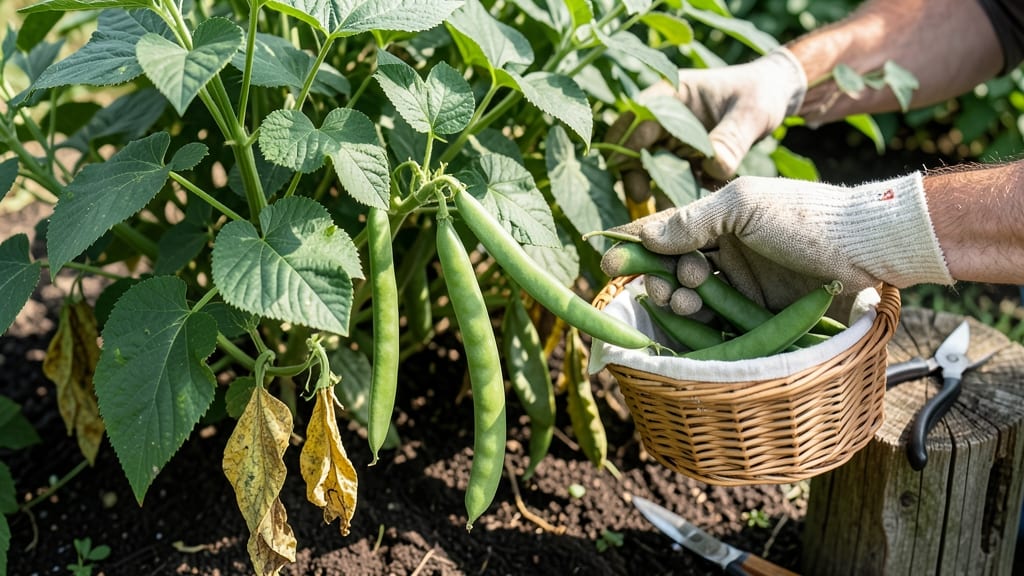
To pick beans from your garden at their peak, watch for pods that are 4-6 inches long and snap crisply when bent — that’s the sweet spot between tender and tough.
I’ve learned the hard way that waiting just a day too long turns those crunchy green beans 🌱 into leathery shells with bulging seeds. The difference between a perfect harvest and a bitter disappointment is often just a matter of timing.
Most gardeners miss the window because they focus on color alone, but texture and size are the real clues. Below, I’ll break down the exact cues to look for, plus how to keep your plants producing all season long.
You’ll also discover how weather, variety, and even your morning routine can shift the ideal harvest time — and why checking your beans twice a day pays off in flavor.

How to determine bean size for optimal harvest timing
Harvesting beans at the right moment ensures maximum flavor and crisp texture. For most varieties, like green beans and wax beans, timing depends on pod size, seed development, and visual cues.
Waiting too long turns tender pods into tough, stringy messes—so let’s break down the key indicators to watch for in your garden.
Start by checking the length of the pod. Most green beans are ready when they reach 4-6 inches. For bush beans, aim for pods that are 3-4 inches long. Wax beans, like Golden Wax, often mature slightly earlier—around 3-5 inches.
Use a ruler or your fingers to gauge size; consistency is key for uniform harvests.
Next, examine the thickness of the pod. At peak ripeness, beans should feel firm but not hard. Squeeze gently—if it yields slightly, it’s ready. Overripe beans become woody and tough, while underripe ones are soft and pale.
This tactile check is your best friend when visual cues are unclear.
Look inside the pod for seed development. The seeds should be plump but not bulging. If you can see large, round seeds through the pod’s skin, it’s past its prime.
For dried beans, like pinto or black beans, wait until the pods turn brown and seeds rattle inside—but for fresh eating, harvest before this stage.
Color is another critical clue. Deep, vibrant green (for green beans) or bright yellow/orange (for wax beans) signals readiness. Avoid pods with uneven coloring or yellowing tips, as these indicate overmaturity. Some varieties, like purple pods, may darken as they ripen—check the seed size instead.
Listen for the snap test. A ripe bean pod should snap cleanly when bent. If it bends without snapping, it’s underripe; if it cracks or feels brittle, it’s overripe. This quick test works for both pole beans and bush beans and saves you from guessing.
Now, let’s compare varieties with this summary-table to avoid confusion in your garden:
| Bean Type | Ideal Length | Seed Stage | Color | Snap Test |
|---|---|---|---|---|
| Green Beans (e.g., Blue Lake) | 4-6 inches | Plump, not bulging | Deep green | Snaps cleanly |
| Wax Beans (e.g., Golden Wax) | 3-5 inches | Small, firm seeds | Bright yellow | Snaps crisply |
| Bush Beans (e.g., Roma) | 3-4 inches | Tiny, barely visible | Rich green | Firm, slight bend |
| Runner Beans (e.g., Scarlet Runner) | 5-7 inches | Seeds visible but flat | Deep red/green | Flexible, no cracks |
Harvesting at the right time isn’t just about taste—it also encourages more production. When you pick beans regularly, your plants focus energy on producing new pods instead of letting old ones overripe. Aim to harvest every 2-3 days during peak season to keep your plants happy and productive.
Morning is the best time to harvest because beans are cool and crisp after the night’s rest. Avoid picking after rain or in hot afternoon sun, as pods can become rubbery or waterlogged.
Use clean pruners or scissors to snip stems just above the pod—this prevents damage to the plant and keeps it healthy for future harvests.
If you miss the window and end up with overripe beans, don’t toss them! They’re perfect for freezing, drying, or composting. Overripe beans lose their snap but still pack protein and nutrients. Store them in a cool, dry place until you’re ready to use them.
Pro tip: Label your plants if you’re growing multiple varieties. Color-coded tags or a simple garden map helps you track which pods are ready and which still need time. This small step saves time and ensures you never harvest a tough, seedy pod by mistake.
Common mistakes that ruin bean harvests (and how to avoid them)
Even experienced gardeners can miss the perfect harvest window for beans, turning crisp pods into tough, stringy messes. I’ve seen overripe beans go from delicious to inedible in just 24 hours—and it’s usually because of one of these common mistakes.
Skipping daily checks is the #1 way to lose your harvest. Beans grow fastest in warm weather, and pods can go from perfect to past their prime between your morning coffee and evening walk. The key is consistent monitoring—especially for bush varieties that produce all at once.
Another big mistake? Ignoring weather warnings. Heavy rain or sudden heat waves can speed up maturation, forcing beans to ripen faster than usual. If you see pods swelling or seeds bulging unexpectedly, it’s time to harvest immediately—even if they’re not quite your preferred size.
⚠️ WARNING: Overripe beans lose their crunch and sweetness fast. Once seeds turn plump and visible through the pod, the bean is past its prime—and will only get tougher. Check your plants twice daily during peak growing months (June-August) to avoid this!
Storage mistakes also sneak up on gardeners. Stashing freshly picked beans in humid conditions or the fridge without prep leads to mushy pods. Always pat them dry first, then store in paper towels in the crisper drawer. For long-term storage, freeze them whole—this preserves texture better than refrigeration.
One trick I learned is to harvest in the morning when pods are cool and crisp. Evening harvests often yield beans that’ve already started wilting from daytime heat. Plus, morning-picked beans stay fresher longer, giving you more time to prep them before cooking.
Don’t forget about variety differences. Wax beans and yellow beans ripen faster than classic green beans—sometimes by 3-5 days. Always check your seed packet for days-to-maturity and adjust your harvest schedule accordingly.
For example, Blue Lake beans stay tender longer than Contender beans, which need picking earlier.
By avoiding these pitfalls—regular checks, weather awareness, and proper storage—you’ll turn your bean patch into a flavor-packed harvest all season long. 🌱