
Container Gardens
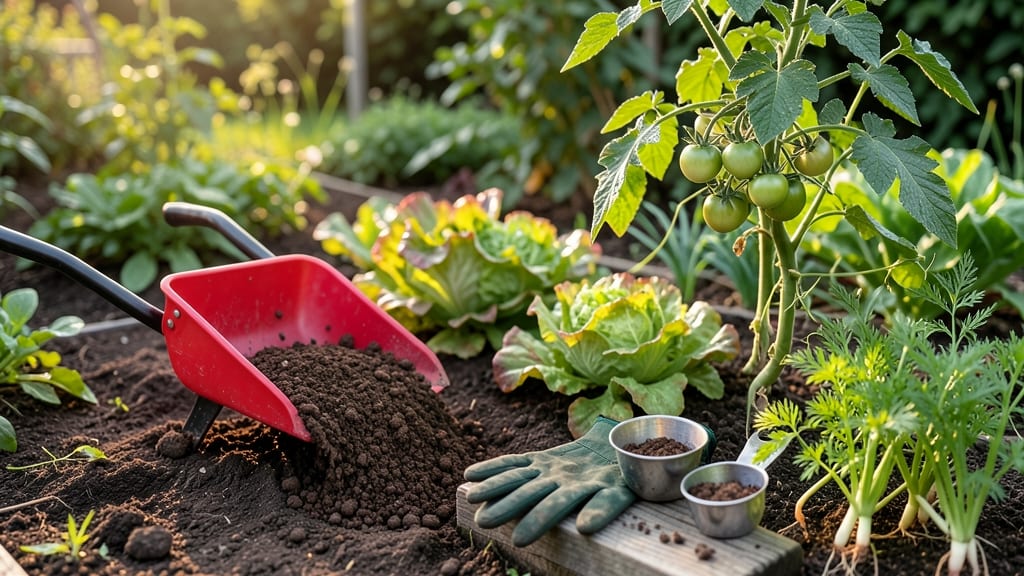
To fertilize your garden effectively, time it by plant type and season: use slow-release fertilizer in early spring for perennials, vegetables, and lawns, while annuals and flowers thrive with mid-spring feedings. Fall applications strengthen root systems for winter-hardy plants, but summer fertilization can scorch delicate foliage.
Timing matters more than most gardeners realize—your plants' growth cycles dictate when they'll benefit most from nutrients. 🌱 For example, early spring feeds perennials when they're just waking up, while annuals need that mid-spring boost to kickstart their full growing season.
I've learned the hard way that fall fertilization isn't just about winter prep—it's about giving roots a final energy reserve to weather cold snaps.
The key is matching fertilizer types to seasonal needs: granular for slow release in spring, liquid feeds for quick uptake during active growth phases, and organic amendments in fall to improve soil structure over winter.
What often trips up beginners is assuming "more is better"—but summer heat actually increases fertilizer burn risk because plants can't absorb nutrients as efficiently. That's why I always check soil moisture first: dry conditions mean nutrients get locked out of reach.
For container gardens, the timing shifts slightly since they dry out faster, but the same seasonal principles apply—just with more frequent light feedings throughout the growing season.
💡 In This Article
- Seasonal Fertilizing Schedule for Different Plant Types
- Signs Your Garden Needs Fertilizer and How to Test Soil
Seasonal fertilizing schedule for different plant types
Understanding your plants' natural rhythms is key to effective fertilization. Perennials like hostas and daylilies need their first feeding in early spring when soil temperatures hit 50-55°F—this kickstarts root growth before foliage emerges.
Vegetables such as tomatoes and peppers benefit from a slow-release granular fertilizer applied at planting, followed by a mid-season liquid feed when they're actively flowering.
The science here involves matching nutrient release rates to plant uptake cycles—perennials store nutrients in their roots for gradual use, while annuals need quick access during their short growing season. 🌿
Annual flowers and vegetables have different timelines: they thrive with mid-spring feedings (around April-May in most climates) when they're establishing their root systems. For example, marigolds and zinnias respond well to a balanced 10-10-10 fertilizer at this stage, while leafy greens like spinach prefer a nitrogen-rich feed.
What most gardeners miss is that fall fertilization (late September-October) is crucial for winter-hardy plants—it strengthens root systems before dormancy, similar to how athletes fuel up before a season ends. The goal is to build reserves, not stimulate new growth that won't survive cold snaps.
Summer fertilization requires extra caution because heat stress makes plants more susceptible to fertilizer burn. When daytime temperatures exceed 85°F, nutrients like nitrogen and phosphorus can accumulate in plant tissues, creating toxic concentrations.
This is why I avoid heavy feedings during peak summer—unless you're growing heat-loving crops like okra or sweet potatoes, which can handle a light liquid feed in early summer to support their rapid growth.
The rule of thumb is: if your plants look stressed (wilting, yellowing leaves), hold off on fertilizing until conditions improve. 🌞
Container gardens operate on a slightly different schedule because their soil dries out faster and nutrients leach away quicker. Here, every 4-6 weeks during the growing season works best, with a final feeding in early fall.
The key difference is frequency over quantity—smaller, more frequent doses prevent nutrient runoff while keeping plants consistently fed. For example, a 1-gallon container might need just 1 teaspoon of granular fertilizer every month, compared to 1 pound per 100 square feet for in-ground beds.
This precision is what keeps container plants thriving in limited soil volumes.
Let's talk about lawns—they follow a slightly different rhythm. Cool-season grasses (like Kentucky bluegrass) need early spring and fall feedings when they're actively growing, while warm-season grasses (like Bermuda) peak in late spring to early summer.
The timing aligns with their natural growth cycles: cool-season grasses grow when soil temps are 50-65°F, while warm-season types thrive in 75-90°F ranges.
Overlooking this can lead to patchy growth or even lawn death—like when I once fertilized my Bermuda grass in fall, only to watch it turn brown as winter approached. 🌱
One advanced technique worth mentioning is soil temperature testing—a simple way to determine optimal fertilization times. Use a soil thermometer to check depths of 4 inches (for roots) and 2 inches (for surface activity).
When spring soil temps hit 50°F at 4 inches deep, it's time for perennials; 60°F at 2 inches signals it's safe for warm-season crops. This precision eliminates guesswork and ensures nutrients are available when plants need them most.
For container gardeners, a simple finger test (pushing your finger 1 inch deep) can tell you if it's time for a light feeding—if the soil feels dry, it's likely time.