
Planting
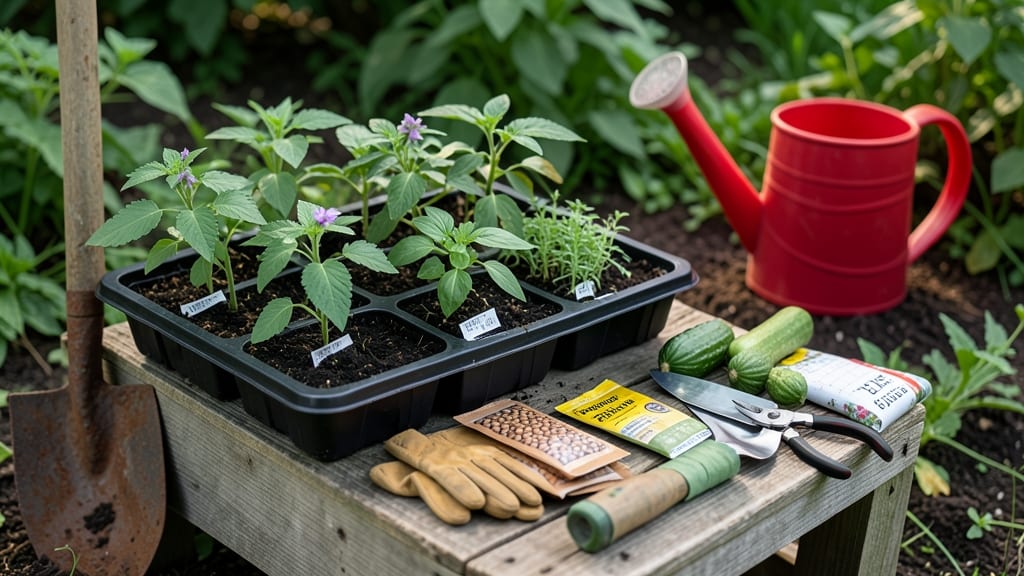
Planting your garden in Tennessee at the right time means the difference between a bountiful harvest and wasted effort — and the windows for cool-season and warm-season crops couldn’t be more different.
Picture this: You’ve prepped your soil, ordered seeds, and cleared your schedule for planting day, only to watch your lettuce bolt in record time because you planted too early.
Or worse, your tomatoes never set fruit because you waited until July. Tennessee’s Zone 7A-7B climate demands precision, and missing the mark can mean lost crops or stunted growth.
This guide breaks down the exact planting windows for vegetables, flowers, and herbs, accounting for regional frost dates (Memphis vs. Knoxville) and microclimate tweaks.
Whether you’re sowing peas in March or transplanting peppers in June, you’ll learn how to align your schedule with Tennessee’s 180-220 frost-free days — and why a two-week shift can make or break your garden.
From extending seasons with cold frames to choosing fast-maturing varieties, we’ll cover the key strategies to maximize your harvest and avoid common pitfalls. Ready to turn your Tennessee garden into a year-round success? Let’s get started.
Tennessee planting calendar: frost dates and ideal months by crop type
Tennessee’s USDA Zones 7A-7B offer a longer growing season than many northern states, but frost dates vary dramatically between East Tennessee (higher elevations) and Middle Tennessee (warmer valleys).
The average last spring frost arrives between mid-April (East) and early April (Middle), while the first fall frost typically hits in mid-October (East) to late October (Middle). These dates create a 180-220 day frost-free window, perfect for both cool-season and warm-season crops.
For cool-season crops like lettuce, spinach, and peas, I start seeds indoors 4-6 weeks before the last frost—usually by mid-February to early March.
These plants thrive in 50-70°F soil and can handle light frosts, so don’t rush to transplant them until early April in most regions. Warm-season crops, including tomatoes, peppers, and basil, need to wait until 2-3 weeks after the last frost, typically mid-May in East Tennessee and early May in Middle Tennessee.
Regional variations matter. In Knoxville (Zone 7A), gardeners often face later last frosts due to higher elevations, while Nashville (Zone 7B) enjoys earlier soil warming in spring. Always check your local Extension Office frost data—a 5-day difference can mean the difference between a thriving garden and a failed crop.
Here’s my foolproof planting calendar for Tennessee, broken down by crop type and region:
| Crop Type | Planting Window (East TN) | Planting Window (Middle TN) | Soil Temp | Notes |
|---|---|---|---|---|
| Cool-Season Veggies (Lettuce, Spinach, Peas) | Feb 15 - Apr 15 | Feb 1 - Apr 1 | 45-65°F | Transplant after last frost; succession plant every 2 weeks. |
| Warm-Season Veggies (Tomatoes, Peppers, Basil) | May 15 - Jun 15 | Apr 20 - May 10 | 60-85°F | Use row covers for early starts; mulch to retain heat. |
| Herbs (Cilantro, Dill, Parsley) | Mar 1 - Apr 30 | Feb 15 - Mar 31 | 50-70°F | Cilantro bolts in heat; plant in partial shade in summer. |
| Flowers (Marigolds, Zinnias, Snapdragons) | Apr 1 - May 15 | Mar 15 - Apr 30 | 55-75°F | Direct sow after frost; deadhead for continuous blooms. |
| Fall Crops (Kale, Carrots, Radishes) | Aug 1 - Sep 15 | Jul 15 - Aug 31 | 50-70°F | Extend season with row covers; harvest before hard frost. |
For East Tennessee, where cooler nights linger longer, I recommend starting warm-season crops indoors in late March to give them a head start.
In Middle Tennessee, where summers are hotter and longer, I focus on heat-tolerant varieties like Okra or Black-Eyed Peas for extended harvests. Succession planting is key—sow lettuce every 2 weeks from March to September to avoid bolting.
Don’t forget perennials and bulbs
How to adjust planting times for Tennessee’s microclimates and soil conditions
Tennessee’s diverse microclimates—from the cooler highlands of the Great Smoky Mountains to the hotter valleys of Middle Tennessee—mean your planting schedule should adapt to your specific location. Even within Zone 7A-7B, a 5-mile elevation change can shift frost dates by 2-3 weeks.
Understanding these variations helps you extend growing seasons and avoid crop losses.
Another challenge? Tennessee’s clay-heavy soils, especially in West and Middle Tennessee, can slow root growth and retain too much moisture.
Amending soil with compost or sand improves drainage, but timing your planting windows around soil warmth is equally critical. Warm-season crops like tomatoes and peppers need soil temps above 60°F to thrive, while cool-season crops like lettuce and spinach grow best in 50-65°F soil.
- 1. Extend Spring with Cold Frames: Use cold frames or row covers to plant cool-season crops 3-4 weeks earlier in Zone 7A areas like Nashville or Chattanooga. This adds 4-6 extra weeks for greens and root veggies.
- 2. Choose Fast-Maturing Varieties: In shorter growing seasons (e.g., East Tennessee), opt for early-maturing tomatoes (e.g., 'Early Girl') or bush beans (e.g., 'Blue Lake') with 50-60 day harvest times.
- 3. Track Local Frost Data: Check Almanac’s Frost Calculator or your local UT Extension office for last frost dates. Memphis (7B) averages March 15, while Knoxville (7A) is April 1.
- 4. Amend Clay Soil in Fall: Work in 2-3 inches of compost or sand 3-4 months before spring planting to improve drainage. Avoid tilling when soil is wet or frozen.
- 5. Use Row Covers for Fall Crops: Protect broccoli or kale with floating row covers to delay first frost by 2-3 weeks in October, extending harvests into November.
For warm-season crops, wait until soil temps consistently stay above 60°F—usually mid-April to early May in most of Tennessee.
Use a soil thermometer to monitor warmth, especially in shady or clay-heavy areas that cool slower. Slow-warming soils in Northwest Tennessee may need black plastic mulch to speed up heating.
If your garden sits in a microclimate—like a south-facing slope or low-lying area—adjust planting times by 1-2 weeks. For example, tomatoes on a sunny slope can go in 2 weeks earlier than those in a shaded valley.
Always harden off seedlings for 7-10 days before transplanting to avoid shock from temperature swings.
Finally, native Tennessee plants like passionflower or black-eyed Susans are low-maintenance and heat-tolerant, making them ideal for extended-season gardening. Pair them with heat-resistant veggies like 'Heatmaster' okra or 'Malaga' sweet corn to maximize yields in Tennessee’s humid summers.