
Fertilization
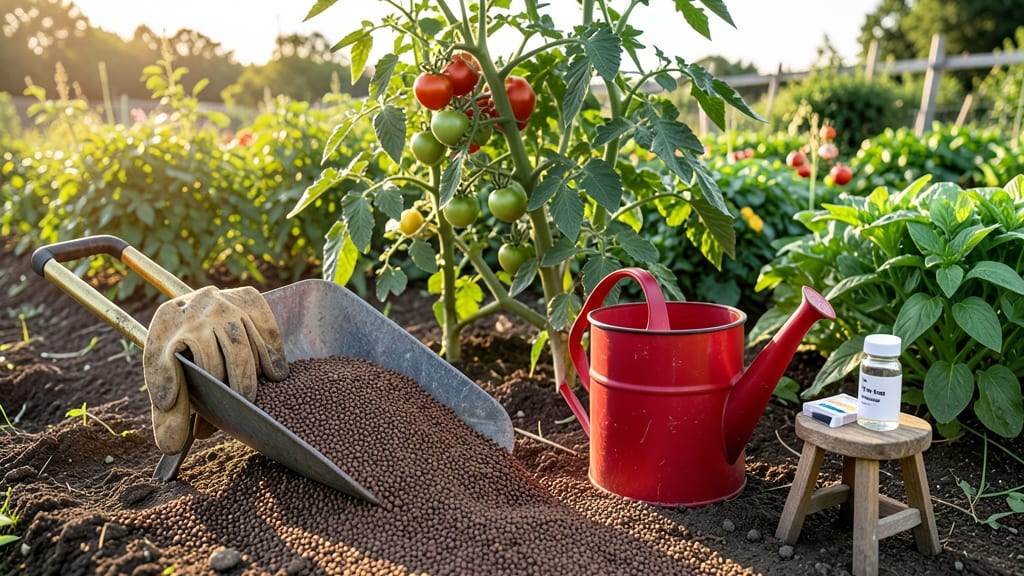
Should you fertilize your garden when the first leaves appear in spring or wait until after the soil warms? Timing matters more than most gardeners realize.
Timing your garden fertilization wrong can mean wasted money, stunted growth, or even plant damage—but getting it right unlocks explosive blooms, bountiful harvests, and healthier soil year after year.
Whether you're growing vegetables, flowers, or lawns, the seasonal cycle dictates when to feed your plants. A spring feeding jumpstarts growth, while summer boosts help sustain heavy producers, and fall prep strengthens roots for winter.
In this guide, I’ll break down the best times to fertilize by plant type, how to spot when your garden truly needs it, and the differences between organic and synthetic options.

Seasonal fertilization schedule by plant type: when to feed for maximum growth
Fertilizing your garden at the right time is like giving your plants a perfectly timed meal—they thrive when fed during their most active growth phases. Annuals and vegetables need frequent feeding, while perennials and lawns benefit from strategic seasonal boosts.
Understanding these cycles ensures your plants get nutrients when they need them most, not when they’re dormant or stressed.
I’ve learned the hard way that fertilizing at the wrong time can backfire—think of late-summer feeding for cool-season crops or over-fertilizing in winter when plants are resting. The key is matching your fertilization schedule to your climate zone and the growth habits of your plants.
Let’s break it down by season and plant type so you can plan like a pro.
Here’s a quick reference to get you started. For a deeper dive, we’ll explore each plant category in detail below.
Spring is the most critical time to fertilize, especially for cool-season crops like lettuce, spinach, and peas. I start by testing my soil in early March—this helps me determine if I need to add organic matter or a balanced synthetic fertilizer.
For annuals and vegetables, a light application of 10-10-10 fertilizer in late March kickstarts growth, while perennials benefit from compost worked into the soil.
Mid-summer is another peak feeding window, particularly for heat-loving plants like tomatoes, peppers, and basil. I switch to a liquid fertilizer or fish emulsion every 3-4 weeks to replenish nutrients lost through heavy harvesting. Organic options like compost tea are my go-to because they improve soil health while feeding plants.
Just remember: avoid fertilizing in extreme heat—it can burn roots and stress plants.
Fall fertilization is often overlooked, but it’s essential for cool-season crops and perennials preparing for winter. I apply a light dose of fertilizer in early September to encourage root growth before the first frost.
For lawns, a late-summer feeding helps them recover from summer stress and establishes a strong root system for winter. Organic amendments like aged manure or bone meal are perfect for this season.
Winter is the only time I skip fertilizing entirely. Plants are dormant, and feeding them can lead to nutrient runoff or even plant damage as they struggle to process nutrients.
Instead, I focus on soil preparation, adding compost or mulch to protect soil structure and nutrients for spring. This practice has saved me from over-fertilization mistakes in the past.
For
Signs your garden needs fertilizer (and when to avoid it)
Your garden sends clear signals when it's hungry for nutrients—but knowing the difference between nutrient deficiency and environmental stress is key. Yellowing leaves, stunted growth, or pale stems often scream "feed me!"
But before reaching for that fertilizer bag, rule out recent rainfall or compost additions that may already be nourishing your soil.
For example, newly planted tomatoes might show slow growth simply because they're establishing roots—not because they need extra nitrogen. Similarly, perennials like lavender often thrive on minimal feeding once established. The trick is learning your plants' unique language and timing interventions correctly.
⚠️ When Should You Fertilize Your Garden?
Fertilize only when plants show persistent signs of hunger after 2-3 weeks of proper care. Never fertilize:
- During drought—roots can't absorb nutrients
- Within 2 weeks of planting—wait for root establishment
- In extreme heat (above 90°F)—burn risk increases
- When leaves show fungal spots—fertilizer worsens disease
Start by checking your soil's natural fertility. Dig a small hole (6 inches deep) and examine the soil. Dark, crumbly soil with earthworms suggests it's already nutrient-rich. Light, sandy soil or clay-heavy mixtures often need amendments before fertilization.
A simple DIY soil test (mix 1 part soil with 1 part vinegar—fizzing indicates high lime) can save you from over-fertilizing.
Look for these three key signs that demand action: purple stems (phosphorus deficiency), crispy leaf edges (potassium deficiency), or leaf drop despite adequate water. These are your plants' SOS signals.
For vegetables like peppers, slow fruit set often means a low potassium issue—apply a banana peel tea or potassium-rich fertilizer.
Over-fertilizing is just as harmful as under-fertilizing. Symptoms include leaf scorch, white crust on soil, or excessive leafy growth with no flowers.
If you notice burnt leaf tips or stunted roots, flush the soil with water immediately and reduce future applications by half. Slow-release fertilizers are safer for beginners—they feed plants gradually over 3-6 months.
Create a simple fertilization checklist to avoid mistakes: ☑️ Test soil pH (ideal: 6.0–7.0 for most gardens) ☑️ Water plants deeply 24 hours before fertilizing ☑️ Apply fertilizer in the early morning to prevent leaf burn ☑️ Use a balanced 10-10-10 for general feeding ☑️ Reassess every 6 weeks—adjust based on plant response
Remember, healthy soil = healthy plants. Instead of fertilizing first, try mulching with compost or adding worm castings—these improve soil structure naturally. If your garden still struggles after 8 weeks of proper care, then it's time to diagnose deeper issues, like compacted soil or pest damage. 🌱