
Picking
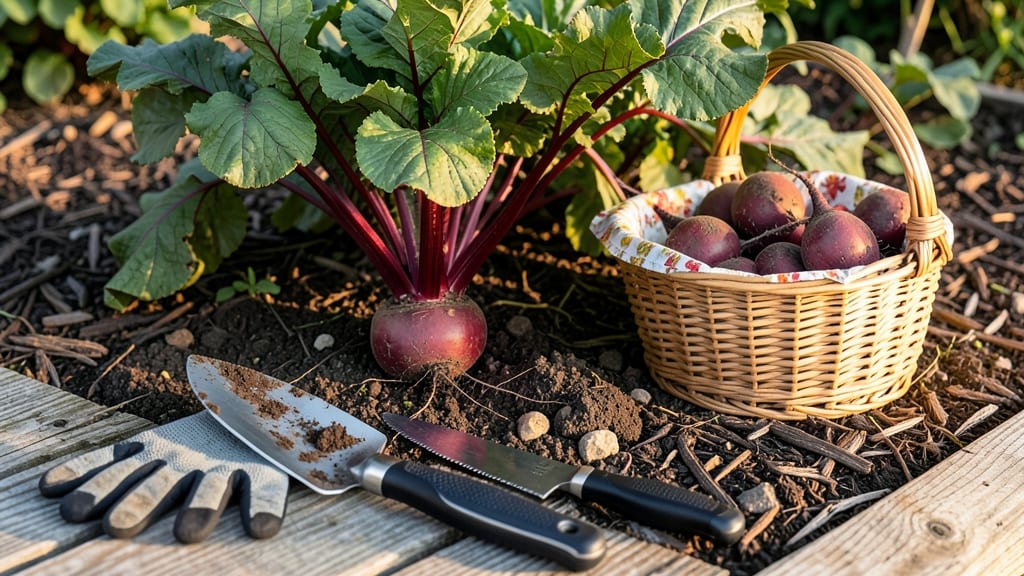
To pick beetroot 🍠 from the garden at the perfect moment means sweet, tender roots instead of woody disappointments—here’s how to nail the timing every time.
You’ve spent weeks nurturing your beetroot, only to pull one that’s tough or still underdeveloped. The difference between a perfect harvest and a wasted effort often comes down to knowing exactly when to dig.
Too early, and you’ll miss out on flavor; too late, and the texture turns bitter. I’ll show you the foolproof visual cues to avoid those mistakes and get the harvest window right.
Think of beetroot as a patience game: the roots need time to bulk up, but not so much that they toughen. By the time the tops are 4–6 inches tall and the roots reach 1–3 inches in diameter, they’re ready.
We’ll also cover how soil conditions and leaf color signal the ideal moment—no guesswork required.
Ready to pull only the best? You’ll leave this guide knowing how to check for firmness, spot overgrowth early, and store your harvest so it stays fresh for weeks. Let’s get started.

5 Visual cues to identify perfectly ripe beetroot for harvesting
Harvesting beetroot at the right time transforms your garden into a treasure trove of sweet, tender roots. The key lies in recognizing subtle visual cues that signal peak ripeness.
I’ve learned through years of gardening that ignoring these signs often leads to either underdeveloped roots or woody, tough textures that ruin salads and soups.
Beetroot doesn’t announce its readiness with obvious changes—you need to observe color intensity, leaf health, and even how the plant resists gentle tugging. Missing these cues can mean the difference between a crisp, juicy harvest and a disappointing, fibrous mess.
Let’s explore the five foolproof visual indicators that tell you it’s time to grab your gardening gloves and harvest.
I’ve made the mistake of harvesting too early, only to find the roots still tough and underdeveloped. The color uniformity is my first check—any green streaks mean the beetroot needs more time in the soil.
For example, my Detroit Dark Red variety always develops a deep, glossy red when ready, while Golden Beets turn a rich amber.
Size matters too, but don’t rely solely on days since planting. Some varieties like Baby Beets mature in just 40–50 days and should be harvested smaller (about 1 inch).
Larger varieties like Chioggia need 60–70 days and can reach 3 inches. Always check the seed packet for variety-specific guidelines.
Leaf health is another critical cue. I once ignored yellowing leaves on my beet greens, assuming they were just slow growers. By the time I noticed the roots were fibrous and tough, the harvest was ruined.
Healthy leaves mean the beetroot is still storing energy—dark green and crisp is the goal.
Testing soil resistance is my favorite trick because it’s instant feedback. If the beetroot pulls out with a slight resistance, it’s perfect. If it slides out like butter, it’s not ready.
Overripe beetroots often break apart when pulled, signaling they’ve been in the ground too long. This is especially true in hot climates where beetroots mature faster.
Timing your harvest also depends on your climate. In cooler zones (USDA 3–5), beetroots may need 70–80 days to mature, while in warmer zones (USDA 7–10), they can be ready in 50–60 days.
Always adjust your expectations based on local growing conditions. For instance, my spring-planted beetroots in Zone 6a are ready by early June, while fall-planted ones mature by late October.
Pro tip: Harvest on a cool, overcast day to reduce stress on the plant. This preserves the sweetness and texture of the roots. After harvesting, trim the leaves to 1–2 inches above the root and store in a cool, dark place for up to 2 weeks.
Proper post-harvest care extends the life of your beetroots and keeps them tasting fresh.
Mastering these visual cues will turn your beetroot harvests from guesswork to garden confidence. The next time you’re kneeling in the soil, take a moment to check these five signs—your taste buds will thank you! 🌱
Beetroot size vs. maturity: how long until harvest and what to watch for
Beetroot varieties mature at different rates, but most fall within a 40- to 70-day window from seed to harvest. Smaller varieties like 'Babybeat' or 'Little Ball' typically reach maturity in 40-50 days, while larger types such as 'Detroit Dark Red' or 'Golden' take closer to 60-70 days.
Understanding these timelines helps you plan your garden layout and avoid overcrowding.
Environmental factors like soil temperature and sunlight exposure play a critical role in determining when your beetroot is ready to harvest. Cooler soil temperatures (50-60°F) slow growth, extending the time needed for maturity, while warmer temperatures (65-75°F) speed up the process.
Full sun exposure (at least 6 hours daily) ensures faster, healthier growth, making your beetroot ready sooner.
Here’s a quick reference to help you track beetroot maturity by variety and environmental conditions:
| Variety | Days to Maturity | Ideal Harvest Size | Key Maturity Cues |
|---|---|---|---|
| Babybeat | 40-50 days | 1-2 inches | Dark green leaves, firm roots |
| Detroit Dark Red | 60-70 days | 2-3 inches | Deep color, glossy skin |
| Golden | 50-60 days | 1.5-2.5 inches | Bright yellow hue, smooth texture |
| Chioggia | 55-65 days | 2 inches | Striped pattern, firm roots |
Watch for leaf color changes as a key indicator of maturity. Healthy beetroot leaves should be dark green and vibrant, but if they start yellowing or wilting, it’s a sign your beetroot may be overripe or struggling.
Another trick is to gently tug on the leaves—if the root resists slightly, it’s likely ready for harvest. Overripe beetroot becomes tough and woody, losing its sweet flavor.
If you’re growing beetroot in cooler climates, expect a slightly longer maturity window. For example, in Zone 5 or below, beetroot may take an extra 7-10 days to reach harvest size due to slower soil warming.
In contrast, warmer zones like Zone 8 or above can yield mature beetroot 10-14 days faster if given consistent sunlight and moisture.
Pro tip: For continuous harvests, plant beetroot seeds in succession every 2-3 weeks. This staggered approach ensures you always have fresh, tender roots ready to pick throughout the growing season. Always harvest on a dry, sunny day to preserve quality and make cleaning easier.
Finally, don’t ignore the soil resistance test. Gently wiggle the beetroot in the soil—if it slides out easily, it’s ready. If it feels firmly anchored, wait a few more days. This simple check ensures you harvest at peak sweetness and tenderness.