
Watering
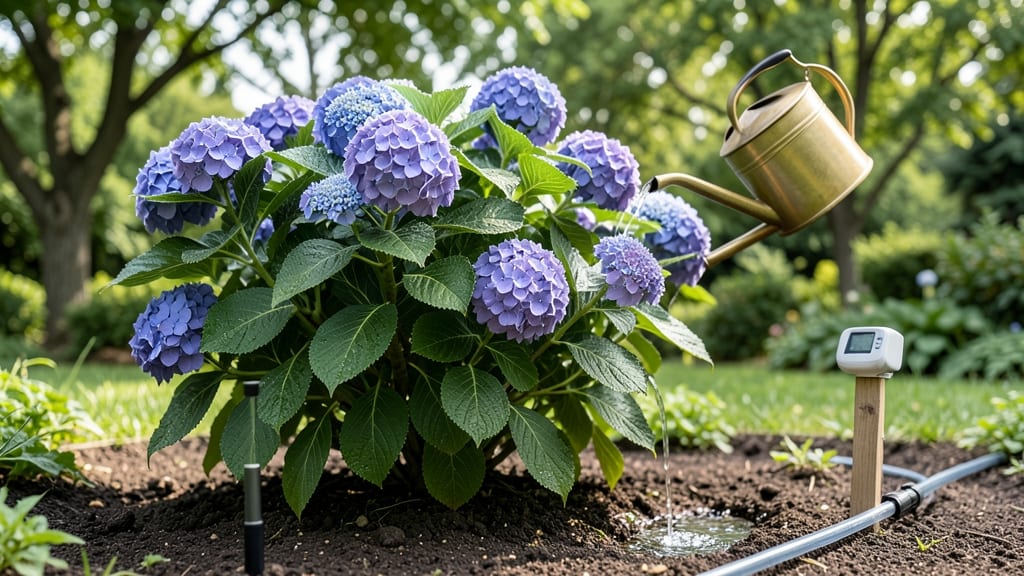
Watering your garden in the morning or evening makes a surprising difference in plant health, soil retention, and even pest control—yet most gardeners still guess the timing.
If you’ve ever wondered why your tomatoes wilt midday or why fungal spots keep appearing, the answer lies in when (and how) you water. Science shows that morning watering reduces evaporation and fungal risks, while evening sessions can leave foliage damp overnight—inviting disease.
But the "best" time depends on your climate, plant type, and even the season. In Zone 6a, for example, morning watering is ideal for most 🌱 garden plants like tomatoes and peppers, while succulents thrive with evening hydration.
Below, I’ll break down the science, regional tweaks, and 3 key signs your schedule might be backfiring.
Ready to stop guessing? You’ll leave here with a customized watering plan that saves time, boosts yields, and keeps your garden thriving—no more trial and error.
Morning vs evening watering: how climate and plant type decide the best time
The best time to water your garden isn't just about convenience—it's a science. Morning watering lets roots absorb moisture before the midday heat evaporates it, while evening watering keeps foliage damp longer, increasing fungal risks.
But which works best for your plants? The answer depends on your climate zone, plant types, and even soil conditions. Let’s break it down so you can water like a pro.
In arid climates like the Southwest, morning watering is non-negotiable. The sun’s intensity would evaporate 50% of water within hours if applied in the afternoon. Meanwhile, in humid regions like the Southeast, evening watering can help plants recover from daytime stress—but only if done correctly.
Even the plant species you grow plays a role: succulents thrive with morning hydration, while leafy greens benefit from cooler evening soaks.
| Factor | Morning Watering (6-9 AM) | Evening Watering (6-9 PM) |
|---|---|---|
| Evaporation Rate | Low (cooler temps) | Moderate (humidity-dependent) |
| Fungal Risk | Low (foliage dries quickly) | High (moisture lingers overnight) |
| Root Absorption | Optimal (roots active early) | Good (roots still active) |
| Best For | Succulents, Vegetables, Arid Zones | Leafy Greens, Humid Zones, Cool-Season Crops |
| Pest Control | Reduces slugs/snails (dries soil) | Attracts pests (moisture-rich environment) |
| Soil Temperature | Warmer (encourages microbial activity) | Cooler (slows nutrient uptake) |
For vegetables like tomatoes and peppers, morning watering is ideal because it mimics natural rainfall patterns and reduces blossom-end rot. These plants need consistent moisture, but evening watering can lead to soggy soil and root rot if the weather stays warm.
Meanwhile, flowers like roses often thrive with evening watering in cooler climates, as it helps them recover from daytime heat stress.
If you’re in a humid climate, like Florida or Louisiana, evening watering might seem logical—but it’s a double-edged sword. While it keeps plants hydrated, the high humidity at night creates the perfect conditions for powdery mildew and black spot on foliage.
To mitigate this, water before 6 PM so leaves have time to dry. In dry climates, like Arizona or California, morning watering is your best bet to minimize evaporation losses.
Don’t overlook the role of mulch in your watering strategy. A 2-3 inch layer of organic mulch (like straw or wood chips) can retain moisture for up to 3 extra hours, giving evening watering a slight edge in cooler regions.
For container gardens, morning watering is almost always better because pots dry out 3x faster than in-ground soil, and evening moisture can promote bacterial growth in the confined space.
Seasonal shifts also demand adjustments. In summer, stick to morning watering to combat heat stress, while in fall, evening watering can help extend the growing season for cool-season crops.
Always check your soil moisture before watering—stick your finger 1-2 inches deep. If it’s dry, water; if it’s damp, wait. This simple check saves 30% of water waste.
Pro tip: Use a soaker hose or drip irrigation system for precise delivery. These methods water at the soil level, reducing evaporation and fungal risks regardless of timing. Pair it with a rain sensor to skip watering after natural rainfall, and you’ll optimize efficiency while protecting your plants.
Remember, there’s no one-size-fits-all answer. Experiment with both timings for a month, monitoring plant health, soil moisture, and pest activity. Keep a garden journal to track what works best for your specific setup.
With the right timing, you’ll see stronger roots, healthier foliage, and higher yields—all while saving time and water. 🌱
5 Critical signs your watering schedule is harming (or helping) your garden
Your garden’s health often whispers clues about whether your watering routine is helping or hurting it. Ignoring these subtle signals can lead to stunted growth, fungal outbreaks, or even plant death.
The key is learning to read your plants’ stress signals—like wilting patterns or fungal spots—and adjusting your schedule before damage becomes permanent.
Morning watering generally reduces fungal risks by allowing foliage to dry quickly, while evening watering can trap moisture, inviting pests like slugs or diseases like powdery mildew. But how do you know if your current timing is working?
Look for these five critical signs that reveal whether your watering schedule is a lifeline or a liability for your garden.
- 1. Wilting by Midday: If leaves droop before noon despite moist soil, you’re likely underwatering. Morning watering ensures roots absorb moisture before evaporation peaks.
- 2. Fungal Spots on Leaves: Dark, powdery, or slimy patches suggest overnight moisture. Switch to morning watering to let foliage dry before humidity spikes.
- 3. Soil Crusting or Cracking: Hard, dry topsoil means water evaporates too fast. Deep watering in the early morning (before 10 AM) helps moisture penetrate deeper.
- 4. Pest Infestations: Slugs, snails, and aphids thrive in damp evening conditions. Watering at dawn deters them while keeping soil hydrated.
- 5. Stunted Growth: Slow or uneven growth may signal inconsistent moisture. Adjust to deep, infrequent watering in the morning to encourage root development.
Adjusting your watering time based on these signs can transform your garden’s health overnight. For example, if you notice fungal growth after evening watering, shift to 6–9 AM sessions to let leaves dry before humidity rises. Similarly, wilting by noon signals the need for earlier or deeper watering.
Regional climate plays a role too. In hot, dry climates, morning watering minimizes evaporation losses, while humid areas may benefit from evening watering to reduce fungal risks. Always pair timing with soil checks: stick your finger 1–2 inches deep—if it’s dry, it’s time to water.
Pro tip: Use a rain gauge to track weekly water amounts. Aim for 1–1.5 inches per week, adjusting for rainfall. This simple habit ensures your garden thrives without guesswork.