Planting
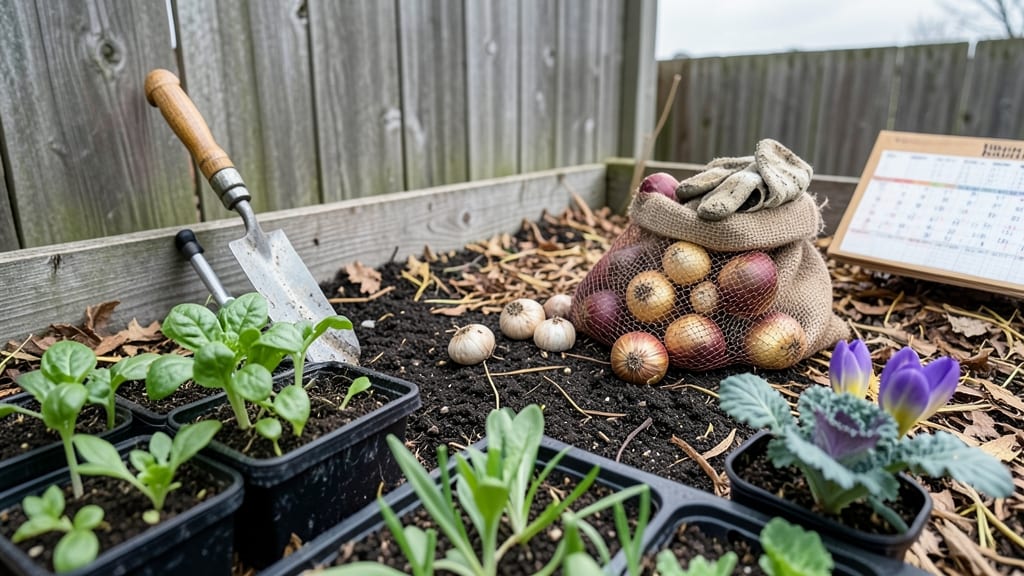
The best time to plant a garden in Tennessee depends on your zone and what you’re growing — but here’s the rule of thumb: aim for after the last frost, when soil warms to at least 60°F.
Tennessee’s diverse climate—from the humid mountains to the hot valleys—means your garden’s success hinges on planting at the perfect time. Get it wrong, and you’ll battle pests, poor growth, or wasted seeds. But nail these zone-specific deadlines, and you’ll enjoy bumper crops of tomatoes, peppers, and greens all season long.
For Zone 6a-7b gardeners, that means cool-season crops like lettuce and broccoli go in March–April, while warm-season favorites like tomatoes and peppers wait until May–June. Fall planting for winter harvests starts in August–September, giving you a second chance at fresh produce.
Below, I break down the exact planting windows for your region, plus pro tips to stretch your growing season—so you can maximize every square foot of your 🌱 Tennessee garden.
Tennessee’s planting zones: when to start seeds indoors vs. direct-sowing outdoors
Tennessee’s USDA zones 6a–8a create a patchwork of planting opportunities, where East Tennessee’s cooler springs contrast sharply with Middle and West Tennessee’s longer growing seasons. Whether you’re growing cool-weather crops like lettuce or heat-loving peppers, timing is everything.
Miss the window, and you’ll face stunted growth or wasted seeds. But get it right, and you’ll enjoy a garden bursting with flavor and productivity.
Your first step? Know your last frost date. In East Tennessee (Zone 6a), the average last frost is April 15, while Middle Tennessee (Zone 7a) sees it around March 25, and West Tennessee (Zone 7b–8a) can be frost-free by March 10.
These dates dictate when to move seedlings outdoors or direct-sow seeds. For example, spinach and broccoli must go in the ground 4–6 weeks before your last frost, while tomatoes and peppers need soil temps above 60°F—usually mid-April to May in most of the state.
Indoor seed starting is your secret weapon for warm-season crops like tomatoes, peppers, and eggplants. In Zone 6a (East TN), start these 6–8 weeks before your last frost—that’s mid-February to early March. For Zone 7a (Middle TN), begin late January to early February, and in Zone 7b–8a (West TN), you can push it to late January. Use grow lights if natural light is limited, and keep seedlings at 70–75°F for optimal growth.
Cool-season crops like lettuce, kale, and carrots can often be direct-sown outdoors as soon as soil is workable—usually late February to early March in West TN and March to early April in East TN. These hardy plants tolerate light frosts, so don’t wait for perfect weather. For broccoli and cabbage, which need 60–70 days to mature, aim for early spring or late summer plantings to avoid bolting in summer heat.
For warm-season crops, timing is critical. Tomatoes and peppers should be transplanted outdoors 2–3 weeks after your last frost, once soil temps hit 60°F.
In East TN (Zone 6a), this means mid-April to early May. Squash and cucumbers, which thrive in heat, can wait until late April to May in most regions.
If you’re in West TN (Zone 7b–8a), you can even start direct-sowing cucumbers outdoors in early April—just cover them if frost threatens.
Don’t overlook fall planting for cool-season crops. In East TN, aim for
Month-by-month planting calendar for Tennessee gardens: what to plant in March vs. June
Tennessee’s gardening season isn’t one-size-fits-all—East Tennessee’s cooler springs demand earlier plantings, while Middle and West Tennessee’s longer growing seasons let you push crops later. The key? Timing your cool-season crops before late frosts and your warm-season powerhouses after soil warms to 60°F+.
Miss these windows, and you’ll watch seedlings wilt or tomatoes bolt in the heat.
I’ve grown gardens across Zone 6a to 7b in Tennessee, and the difference between a bountiful harvest and a disappointing yield often comes down to planting at the right time.
Whether you’re sowing spinach in March or transplanting tomatoes in June, this month-by-month guide will keep your garden thriving—no guesswork required.
📅 Don’t Miss These Critical Planting Dates in Tennessee
- March 1–15: Start cool-season seeds indoors (lettuce, broccoli) or direct-sow onions, peas, and spinach after last frost.
- April 1–30: Harden off seedlings; plant carrots, radishes, and kale—soil should be 50°F+.
- May 1–15: Transplant tomatoes, peppers, and cucumbers only after nighttime temps stay above 55°F.
- June 1–15: Last chance for warm-season crops—plant sweet potatoes and okra before July heat sets in.
- July 1–31: Begin succession planting for fall harvests (kale, carrots) and sow heat-tolerant beans.
- August 15–31: Plant garlic and cover crops (clover) for winter soil health.
March and April are your cool-season power months. This is when I plant leafy greens like spinach and alliums like onions, which thrive in Tennessee’s 50–65°F soil. Use row covers if late frosts threaten—trust me, frost-killed seedlings are heartbreaking.
For hardening off seedlings, gradually expose them to outdoor conditions over 7–10 days, starting with 2 hours/day in partial shade.
By May, shift to warm-season crops like tomatoes and peppers, but wait until soil temps hit 60°F—cold soil stunts roots. I’ve learned the hard way: planting tomatoes too early leads to blossom-end rot.
Use black plastic mulch to warm soil faster, and watch for late frosts by checking your local USDA Zone 7 frost dates.
June marks the peak of Tennessee’s growing season, but don’t let the heat fool you—succession planting is your secret weapon. Sow bush beans every 2 weeks for continuous harvests, and choose heat-tolerant varieties like ‘Arkansas Traveler’ tomatoes.
If you miss June, don’t despair: July–August is perfect for kale, carrots, and turnips, which handle Tennessee’s 90°F+ days better than most.
Pro tip: Plant garlic in October for next year’s harvest, but if you’re new to gardening, focus on easy fall crops like radishes (30-day harvest!) and lettuce.
Mulch heavily in late summer to insulate roots from early fall frosts, which can sneak in as early as mid-October in Zone 6a.
Remember, Tennessee’s first frost typically hits around November 15, but Zone 6a gardeners should plan to harvest or protect crops by October 31. Use row covers or cold frames to extend harvests, and save seeds from your best-performing plants for next year.
With this calendar, you’ll maximize yields and minimize wasted effort—happy gardening! 🌱