Planting
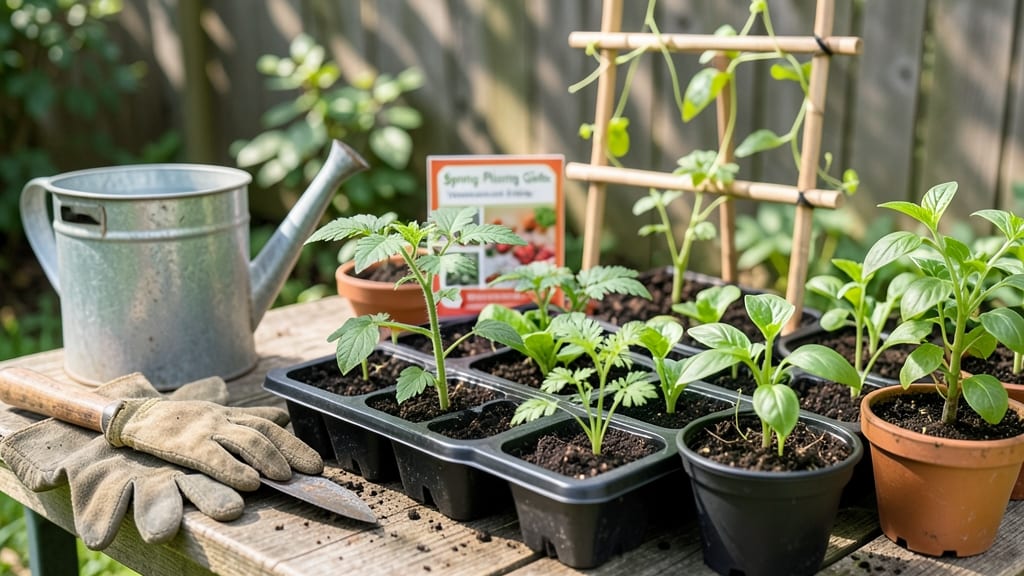
The best time to plant a garden depends on your climate zone and the crops you’re growing—getting it right means the difference between a thriving harvest and wasted effort.
Timing your garden planting can mean the difference between lush harvests and wilting disappointment—getting it right ensures faster sprouts, stronger plants, and a thriving outdoor space. Whether you’re in the chilly North or the warm South, knowing when to put seeds in the soil is the key to success.
From cool-season crops like lettuce and peas to heat-loving tomatoes and peppers, each plant has its ideal window. In Zone 6, for example, spring planting kicks off after the last frost (around April 15), while fall crops go in 4-6 weeks before the first frost (mid-October).
Below, I break down the best planting months by region, how to adjust for unusual weather, and a seasonal checklist to keep your garden on track for fast, healthy growth all year long.
How to determine your planting Zone for fastest garden growth
Understanding your USDA Plant Hardiness Zone is the first step to unlocking your garden's full potential. These zones, numbered from 1 to 13, divide North America into regions with similar average minimum temperatures, helping you choose plants that thrive in your climate.
For example, Zone 5 gardeners can grow potatoes and kale year-round, while Zone 10 gardeners focus on heat-loving tomatoes and peppers.
To find your zone, visit the USDA Plant Hardiness Zone Map and enter your ZIP code. Most areas fall into half-zones (e.g., 6a or 7b), which provide even more precise planting guidance.
My Zone 6b garden, for instance, allows me to plant cool-season crops like spinach in early spring and warm-season crops like cucumbers after the last frost—typically mid-April in my region.
Once you know your zone, you can align your planting schedule with your area’s frost dates. The last spring frost signals the start of planting for warm-season crops, while the first fall frost marks the deadline for cool-season crops.
For Zone 8, this might mean planting tomatoes in March and harvesting broccoli by November.
| Zone | Last Frost | First Frost | Cool-Season Plants | Warm-Season Plants |
|---|---|---|---|---|
| 3-4 | Mid-May | Mid-Sept | Peas, spinach, kale | Tomatoes, peppers (late) |
| 5-6 | Mid-April | Mid-Oct | Carrots, lettuce, broccoli | Beans, corn, squash |
| 7-8 | Early March | Late Nov | Radishes, arugula, cabbage | Okra, sweet potatoes, eggplant |
| 9-10 | None (year-round) | None (year-round) | Green beans, peas | Melons, peppers, tomatoes |
In cool-season zones (3-6), focus on planting leafy greens and root vegetables as soon as the soil is workable—often in early spring or late summer.
My Zone 6 garden thrives with radishes and turnips sown in March, while warm-season crops like zucchini wait until May when soil temperatures hit 60°F.
For warm-season zones (7-10), prioritize heat-tolerant varieties and extend the season with fall plantings. In Zone 9, I plant sweet potatoes in June and kale in August to avoid summer heat stress.
Always check your zone’s frost-free period—longer growing seasons in Zone 10 allow for year-round harvests of peppers and eggplants.
Pro tip: Use microclimates to your advantage. A south-facing wall can warm soil by 10°F, letting you plant tomatoes earlier in Zone 5. Similarly, shade cloth helps protect lettuce from scorching in Zone 8 summers. Always monitor soil temperature with a thermometer—most seeds need 50-85°F to germinate.
Don’t overlook fall planting, especially in Zones 4-7. Cool-season crops like spinach and garlic planted in September often outperform spring plantings. In Zone 6, I sow cover crops like
Best planting months by region: a state-by-state quick guide
Your garden’s success starts with knowing the perfect planting window for your region. Whether you're in frost-prone New England or warm Southern California, timing matters. I’ll break down the best months for planting by region, including cool-season crops and warm-season favorites to maximize your harvest.
For Northern states (like Maine, Michigan, or Minnesota), focus on late April to early June for warm-season plants after the last frost.
In Southern states (like Florida or Texas), you can plant year-round, but spring and fall are ideal. Western regions (like Arizona or Oregon) have unique microclimates—some areas can plant in early spring, while desert zones wait for cool fall.
🌱 Top 5 Planting Months by Region
- Northern States (Zones 3-5): Late April–May (after last frost) for tomatoes, peppers, and beans. Cool-season crops like spinach and kale go in early spring (March–April) or late summer (August–September) for fall harvests.
- Southern States (Zones 7-10): March–April for warm-season veggies (like okra and sweet potatoes) and September–October for fall gardens. Year-round planting is possible in Zone 10+ (e.g., Florida).
- Pacific Northwest (Zones 6-8): April–May for warm crops (e.g., cucumbers, squash) and March for cool crops (e.g., carrots, lettuce). Fall planting (August–September) extends harvests into winter.
- Southwest (Zones 8-11): September–October for cool-season plants (e.g., broccoli, peas) to avoid summer heat. Spring planting (February–March) works for warm crops in higher elevations.
- Midwest (Zones 5-6): May–June for warm-season plants and March–April for cool crops. Fall planting (August–September) is critical for garlic and onions, which need cold exposure to thrive.
Don’t overlook fall planting—it’s a game-changer for cool-season crops. In Zone 5**, plant spinach and peas by late August to harvest before first frost. For warm-season plants, use row covers to extend the season if frost threatens.
Pro tip: Check your local frost dates—they vary year to year. Use the USDA Plant Hardiness Zone Map and Almanac’s Frost Calculator to fine-tune your schedule. Soil temperature matters too: Warm crops need 60°F+ soil, while cool crops thrive at 40–50°F.
For container gardens, you can plant earlier in spring or later in fall since pots warm up faster. Just ensure drainage holes are present to avoid root rot in cool, wet conditions. Start indoor seedlings 6–8 weeks before last frost for a head start.
Remember, regional exceptions exist. For example, California’s Central Valley has longer growing seasons than coastal areas. Always observe your microclimate—shady spots may need shade-tolerant plants, while sunny patches can handle heat-loving crops. Happy planting! 🌿