
Planting
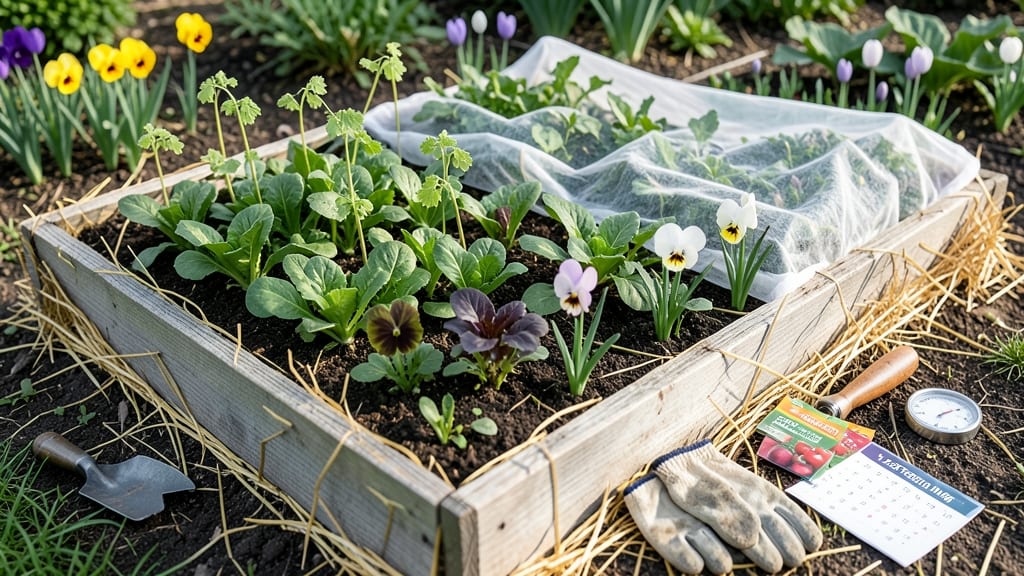
Planting your garden in Michigan after the last frost is the key to avoiding those heartbreaking early freezes that wreck your hard work.
Michigan’s unpredictable spring weather can turn your gardening dreams into a guessing game—plant too early, and frost will ruin your crops; too late, and you’ll miss peak harvests.
But with the right timing, you can maximize your garden’s potential, whether you’re growing cool-season greens like spinach or warm-season favorites like tomatoes.
Below, I break down the exact frost-free deadlines by USDA zone, seasonal planting windows, and actionable tips to help you plan like a pro.
Michigan’s frost-free dates by USDA hardiness Zone: when to plant cool-season vs. warm-season crops
Michigan spans USDA Hardiness Zones 4-6, creating distinct planting windows across the state. Northern regions (Zone 4) face earlier frosts, while southern areas (Zone 6) enjoy longer growing seasons. Understanding these differences helps you avoid frost damage and optimize harvests for cool-season and warm-season crops alike.
For example, cool-season crops like spinach and peas thrive in Michigan’s early spring (March-April) and fall (August-September), while warm-season crops such as tomatoes and peppers need to wait until after the last frost date—typically mid-May to early June—when soil temperatures consistently stay above 50°F (10°C).
Here’s a zone-specific breakdown of Michigan’s frost-free dates and ideal planting windows for both crop types, including direct sowing vs. transplanting timelines:
| Zone | Avg. Last Frost | Avg. First Frost | Cool-Season Planting | Warm-Season Planting |
|---|---|---|---|---|
| 4 (Northern MI) | May 15 | Sep 20 | Mar 15–Apr 15 | May 20–Jun 1 (transplants) |
| 5 (Central MI) | May 1 | Oct 5 | Apr 1–May 1 | May 10–May 25 |
| 6 (Southern MI) | Apr 20 | Oct 15 | Mar 20–Apr 30 | Apr 25–May 10 |
*Dates are averages—always check local forecasts for real-time adjustments.
In Zone 4, where winters are harshest, start cool-season crops indoors in February for transplanting. Peas and spinach can be direct-sown as early as March 15, but protect them with row covers if frost threatens.
For warm-season crops, wait until soil warms to 60°F (15°C), typically late May to early June.
Zone 5 gardeners enjoy a 2-week advantage over Zone 4. Direct-sow lettuce and radishes by April 1, and transplant tomato seedlings after May 10. Use black plastic mulch to warm soil faster for peppers and eggplants, which need 70°F+ (21°C+) soil.
Southern Michigan’s Zone 6 allows for the earliest plantings. Begin cool-season crops like kale and broccoli in March, and sow warm-season crops like cucumbers and beans by April 25. Extend your season by planting fall crops like carrots and beets in August for harvests before frost.
For direct sowing vs. transplanting, remember: Cool-season crops (e.g., onions, carrots) are best direct-sown, while warm-season crops (e.g., tomatoes, peppers) thrive when transplanted after hardening off. Start tomato seeds indoors in March (Zone 6) or April (Zone 4) for ready-to-plant seedlings by late spring.
Pro tip: Use a soil thermometer to confirm 50°F+ (10°C+) for warm-season crops. If soil is cold, wait—slow germination or rot can occur. In Zone 4, consider a cold frame to jump-start early spring plantings like cabbage or brussels sprouts.
Always monitor
How to adjust planting times for Michigan’s unpredictable weather: extending the growing season with tips and tricks
Michigan’s unpredictable frost patterns can leave gardeners feeling like they’re playing a high-stakes game of chance. One year, you might be celebrating your tomato plants in early June, while another year, a late frost in May wipes out your squash seedlings.
The key to success? Flexibility and preparation. By understanding microclimates and using season-extending tools, you can turn Michigan’s variable weather into an advantage.
Start by checking your local historical frost dates. Southern Michigan (USDA zones 6a-6b) typically sees its last frost around May 10-15, while northern Michigan (zones 4a-5b) can wait until May 25-June 1.
However, these dates are just averages—always be prepared for late frosts that can occur well into May. For high-risk crops like melons and squash, which need warm soil to germinate, I recommend waiting until soil temperatures reach 70°F before planting.
- Use row covers to protect cool-season crops like lettuce and spinach from late frosts. These lightweight fabrics raise soil temperatures by 5-8°F and can be removed once danger of frost passes.
- Cold frames are perfect for warm-season starts like tomatoes and peppers. Place them over seedlings in early spring to create a mini greenhouse effect, accelerating growth by 3-4 weeks.
- Succession planting ensures a continuous harvest. For example, sow radishes every 2 weeks from April to July, or plant bush beans in 3 batches for staggered yields.
- Monitor microclimates: Urban areas often warm up 2-3 days earlier than rural zones due to the heat island effect. Test your soil temperature with a soil thermometer before planting heat-loving crops.
- Plant frost-tolerant varieties like peas, kale, and Swiss chard as early as late March under row covers. These crops can survive light frosts down to 20°F, giving you an early harvest.
For melons and squash, which are particularly sensitive to cold, I recommend starting seeds indoors 4-6 weeks before your average last frost date. Transplant seedlings into the garden only after the soil has warmed to 70°F and nighttime temperatures consistently stay above 55°F.
If you’re in doubt, use a black plastic mulch to raise soil temperatures by 5-10°F—this is a game-changer for slow-starting crops.
Don’t forget about fall planting! Many crops, like spinach, radishes, and carrots, thrive in Michigan’s cool autumn weather. Start sowing these 6-8 weeks before your first expected frost (typically October 10-20 in southern Michigan and September 20-October 5 in the north).
Use row covers again in late September to extend the season even further.
Finally, keep a gardening journal to track your local frost dates and plant performance. Over time, you’ll notice patterns that differ from the averages—like how your urban backyard might be 3 days warmer than the official weather station.
This personalized data will help you fine-tune your planting schedule year after year. With these strategies, you’ll turn Michigan’s unpredictable weather into a growing advantage instead of a challenge.