
Blooming
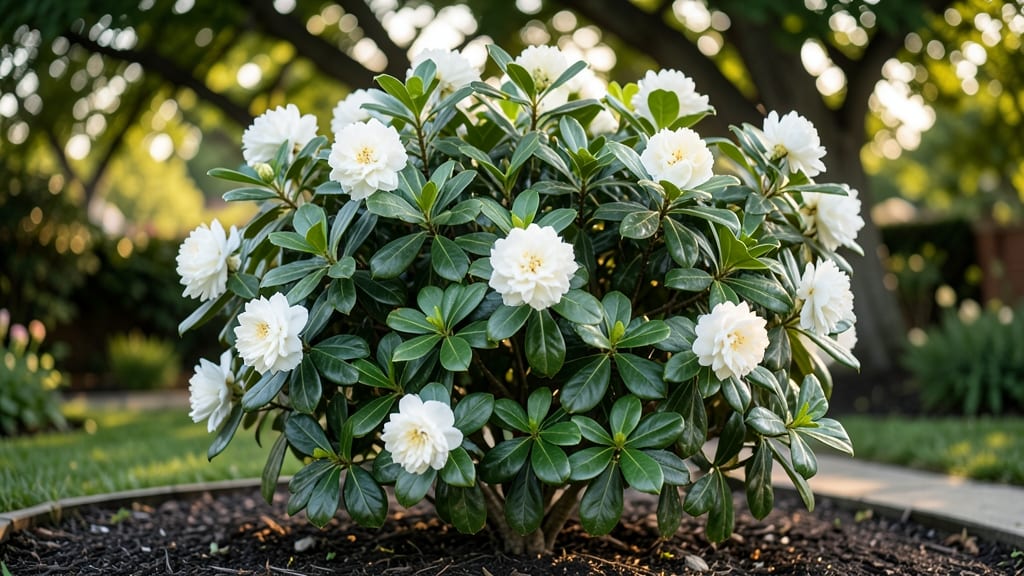
Gardenia bushes bloom in late spring through summer 🌸, with timing that depends on your climate zone and a few key care tricks.
If you’ve ever dreamed of filling your garden with intoxicating, creamy-white blooms, timing is everything—especially when it comes to these fragrant shrubs. The difference between a stunning display and a missed opportunity often comes down to knowing exactly when to expect those first buds.
In warmer zones like 7-11, gardenias typically start blooming in May and continue through August, while cooler areas like Zone 6a may see a later start in June. Light, temperature, and even pruning play a big role in when—and how long—they’ll flower.
Below, I’ll share the month-by-month schedule for your region, plus pro tips to extend your gardenia’s blooming season and troubleshoot common delays. Ready to turn your yard into a fragrant paradise?
Gardenia bloom timeline: month-by-month flowering schedule by climate Zone
Gardenia bushes thrive in warm climates and follow a predictable blooming schedule that varies by USDA hardiness zone. In Zones 9-11, you’ll enjoy nearly year-round blooms with peak seasons, while gardeners in Zones 7-8 must plan for shorter, more concentrated flowering periods.
Understanding these patterns helps you prepare for fragrant displays and adjust care routines accordingly.
For gardeners in Zones 9-11, gardenias often begin blooming as early as late winter (February) and continue through fall (November), with the heaviest production from April to September.
Meanwhile, in Zones 7-8, blooms typically start in May and last until October, with a brief reprieve during summer heatwaves. Regional microclimates—like coastal areas—can shift these timelines by weeks.
Here’s a month-by-month breakdown of gardenia blooming across USDA Zones 7-11, including early, peak, and late-season flowering periods:
In Zone 7, gardenias often bloom late in the season due to cooler temperatures, so plan to enjoy their fragrance from June through September.
If you live in Zone 8, you’ll notice an earlier start in April or May, with a longer display lasting until November. The key to extending blooms in these zones is consistent moisture and light pruning after each flush of flowers.
Gardeners in Zones 9-11 have the advantage of nearly year-round blooming potential.
In Zone 9, expect blooms to begin as early as February, with a peak from April to October. Zone 10 and Zone 11 gardeners can enjoy gardenias almost any month, though production may dip slightly in winter due to shorter daylight hours.
Coastal areas in these zones often see earlier and longer blooming due to milder temperatures.
Regional variations also play a role. For example, Florida gardenias (Zone 10-11) may bloom year-round, while those in Southern California (Zone 9-10) might experience a brief winter break in blooming.
Meanwhile, gardeners in Georgia or North Carolina (Zone 7-8) should expect a shorter, more intense blooming period from June to September. Adjust your care routine—like fertilizing in early spring and pruning after blooms—to align with your local schedule.
To maximize your gardenia’s blooming potential, pay attention to local frost dates
How to predict and extend your gardenia’s blooming season
Predicting when your gardenia bushes will bloom starts with understanding their natural rhythm. These tropical beauties thrive in warm climates and typically produce buds in late spring, with peak flowering between June and August.
However, with the right care, you can encourage earlier blooms or prolong their fragrance-filled season.
The key to extending blooms lies in light exposure, pruning timing, and nutrient balance. Gardenias respond beautifully to consistent care, so small adjustments can make a big difference in both timing and abundance. Let’s explore how to fine-tune your gardenia’s schedule for maximum impact.
- Prune after blooming: Trim spent flowers and overgrown branches in late summer to encourage new growth for next season’s buds.
- Boost sunlight: Provide 4-6 hours of morning sun and afternoon shade to prevent stress while maximizing photosynthesis for blooms.
- Fertilize strategically: Use a high-phosphorus fertilizer (like 10-10-10) in early spring and summer to fuel flower production.
- Water deeply: Maintain consistently moist soil (but never soggy) by watering at the base in the morning to reduce fungal risks.
- Adjust for climate: In cooler zones (Zone 6a), protect plants with mulch or burlap wraps to extend the growing season and encourage earlier blooms.
One of the most effective ways to predict blooming is to monitor your gardenia’s growth cycles. Start by observing when buds form—typically in late spring—and note how long it takes for them to open fully.
In my experience, gardenias in Zone 9 often begin budding as early as April, while those in Zone 7 may wait until May.
To extend the blooming season, focus on pruning techniques that stimulate new growth. After your gardenia finishes flowering, prune back 1/3 of the oldest wood to encourage fresh shoots. This not only shapes the plant but also sets the stage for next year’s buds.
Pair this with a light fertilizer application in early fall to give roots a nutrient boost for spring.
Don’t overlook the power of watering strategies—gardenias are thirsty but hate soggy roots. I’ve found that deep watering every 3-5 days (depending on heat) keeps soil evenly moist without inviting root rot.
For container gardenias, increase frequency to every 2-3 days, as pots dry out faster. Always water at the base to protect delicate leaves from fungal diseases.
For gardeners in cooler climates, winter protection is key to ensuring timely blooms. Use mulch or frost cloth to insulate roots, and avoid heavy pruning until after the last frost.
In my Zone 6a garden, I’ve seen gardenias bloom a full 2 weeks earlier when given this extra care. The secret? Consistent warmth at the roots signals the plant to wake up and prepare for flowering.