
How To
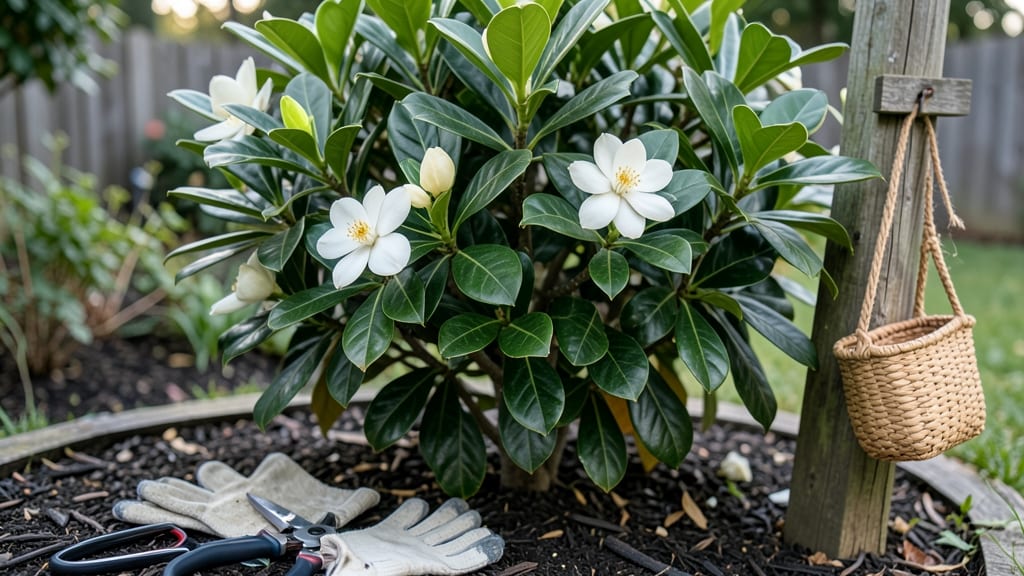
To trim gardenia bushes at the best time for blooms and healthy growth, focus on late winter or early spring, just as new growth begins.
Struggling to keep your gardenia bushes blooming beautifully? Timing your trims correctly is the secret to lush foliage and stunning flowers year after year—but many gardeners get it wrong.
These fragrant 🌸 shrubs thrive when pruned after their winter dormancy, but cutting too early can remove next season’s flower buds, while waiting too long risks overgrown branches. The key is knowing when to step in without sacrificing those iconic white blooms.
Below, I’ll walk you through the exact seasonal cues, regional adjustments, and step-by-step techniques to keep your gardenias thriving—no guesswork required.
Optimal trimming seasons for gardenia bushes: blooming cycles explained
Timing your gardenia bush trims can make or break your blooming season. These fragrant shrubs thrive on precision—cut too early or too late, and you risk sacrificing next year’s stunning white flowers. The key lies in understanding their natural blooming cycles and aligning your pruning with their growth patterns.
Unlike many shrubs, gardenias bloom on new wood, meaning last year’s growth produces this year’s flowers. This makes timing critical to avoid cutting off potential blooms.
Most gardenia varieties bloom from late spring to early summer, with peak flowering between May and July. This means your pruning window should never overlap with their flowering season. Instead, focus on trimming after blooms fade or during their dormant period in late fall or early winter.
The exact timing depends on your USDA hardiness zone and whether you live in a warm climate where gardenias grow year-round.
Here’s the golden rule: Always trim gardenias after they finish blooming or before new growth begins in spring. This ensures you’re not removing flower buds or sacrificing next year’s blooms. For example, if your gardenia finishes flowering in June, wait until late July or early August to prune.
In colder zones (USDA 7-9), a fall trim in November works well, while tropical zones may benefit from light trims after blooming and again in late winter.
| Trimming Season | Best Time | Purpose | Climate Zones |
|---|---|---|---|
| Post-Bloom Trim | Late July - Early August | Remove spent blooms, shape bush | USDA 7-10 |
| Fall Dormancy Trim | November - Early December | Light pruning to remove dead wood | USDA 6-9 |
| Late Winter Trim | February - March | Shape bush before new growth | USDA 8-11 (Tropical) |
| Avoid Trimming | April - June | Flower buds form; risk cutting blooms | All Zones |
In USDA zones 7-9, where gardenias experience a mild winter, the best time to trim is late summer after blooming. This allows the plant to recover before cooler temperatures arrive. For example, if your gardenia finishes flowering in June, wait until mid-August to prune.
This timing encourages robust new growth that will bloom next spring. In these zones, avoid heavy trimming in fall, as the plant needs energy to prepare for winter.
For gardeners in warmer climates (USDA 10-11), where gardenias grow year-round, trimming can happen more flexibly. A light trim after blooming (e.g., August) and another in late winter (February) keeps the bush healthy without disrupting flowering.
In these regions, gardenias may bloom twice a year, so timing is even more critical. Always wait until at least 6 weeks after blooming before pruning to ensure no flower buds remain.
One common mistake is trimming gardenias in early spring to encourage new growth. While this might sound logical, it often removes potential flower buds that form on last year’s wood. Instead, focus on shaping the bush after blooming or during dormancy.
If you notice dead or diseased branches at any time, remove them immediately—these should be trimmed regardless of the season. Use sterilized pruners to prevent spreading infections.
Pro tip: Pay attention to your gardenia’s growth patterns. If it blooms later than average (e.g., July instead of June), delay your trim by a few weeks.
Similarly, in cooler zones (USDA 6-7), where gardenias may struggle to bloom, a light trim in early spring (March) can stimulate growth, but avoid heavy pruning. The goal is to balance shape and flower production—never sacrifice one for the other.
Finally, remember that gardenias respond well to regular, light trims rather than one heavy pruning session. Over-trimming can stress the plant and reduce flowering.
If your gardenia is young (under 3 years old), limit pruning to removing dead wood only—these plants need time to establish their root systems. For mature bushes, aim to remove no more than 1/3 of the foliage in any single trim to maintain health and blooms.
By aligning your trimming with your gardenia’s natural blooming cycle and climate, you’ll enjoy healthier growth and more abundant flowers year after year. Start with the post-bloom trim, then adjust based on your local climate and the bush’s response.
With the right timing, your gardenia will reward you with fragrant, show-stopping blooms for seasons to come. 🌸
Step-by-step guide to pruning gardenia bushes for year-round health
Pruning your gardenia bushes at the right time ensures they stay healthy and produce abundant blooms every season. Unlike many shrubs, gardenias bloom on new wood, so timing matters. Cutting too early or too late can reduce flowers and stress your plant.
The key is to trim after blooming but before fall dormancy—typically in late spring or early summer. This guide breaks down the exact steps to shape your gardenia while keeping it thriving.
Before grabbing your pruning shears, understand that gardenias hate over-pruning. Never remove more than one-third of the plant at once, or you risk stunting growth and flower production. Focus on shaping the bush by cutting back leggy stems and thinning out crowded branches.
Always cut just above a leaf node or bud to encourage new growth. With the right approach, your gardenia will reward you with fragrant white blooms all season long.
Cutting back old wood during dormancy removes next year's flower buds. Gardenias bloom on new growth, so prune only after blooms fade in spring or early summer. Avoid heavy pruning in fall or winter—this is a common mistake that leads to sparse blooming.
Start by removing dead or diseased branches first—these can spread problems to healthy parts of the plant. Use sterilized pruning shears and cut at a 45-degree angle just above a leaf node. Next, shape your gardenia by trimming back overly long branches to maintain an open, airy form.
This improves airflow and reduces fungal diseases like powdery mildew. Aim for a rounded shape rather than a tight, dense bush.
For new gardenia bushes, light pruning in early summer encourages compact growth and more blooms. Focus on pinching back tips of new shoots to promote bushier growth. Mature gardenias benefit from annual pruning after blooming to remove old wood and stimulate fresh growth.
Avoid cutting into woody stems—always leave some green growth to support future blooms. With regular care, your gardenia will stay lush and full of flowers.
Use the right tools for clean cuts: sharp bypass pruners for branches under ½ inch thick, and a pruning saw for thicker stems. Disinfect tools with rubbing alcohol between cuts to prevent disease spread.
After pruning, apply a light layer of mulch around the base to retain moisture and protect roots. Water deeply but avoid overwatering, as soggy soil can rot pruning wounds.
Watch for signs of stress after pruning, like yellowing leaves or wilting. These may indicate over-pruning or improper timing. If you see fewer blooms next season, you may have trimmed too late or too aggressively.
Adjust your approach in the following year. With patience and the right technique, your gardenia will thrive and reward you with fragrant, show-stopping blooms for years to come. 🌸