
Blooming
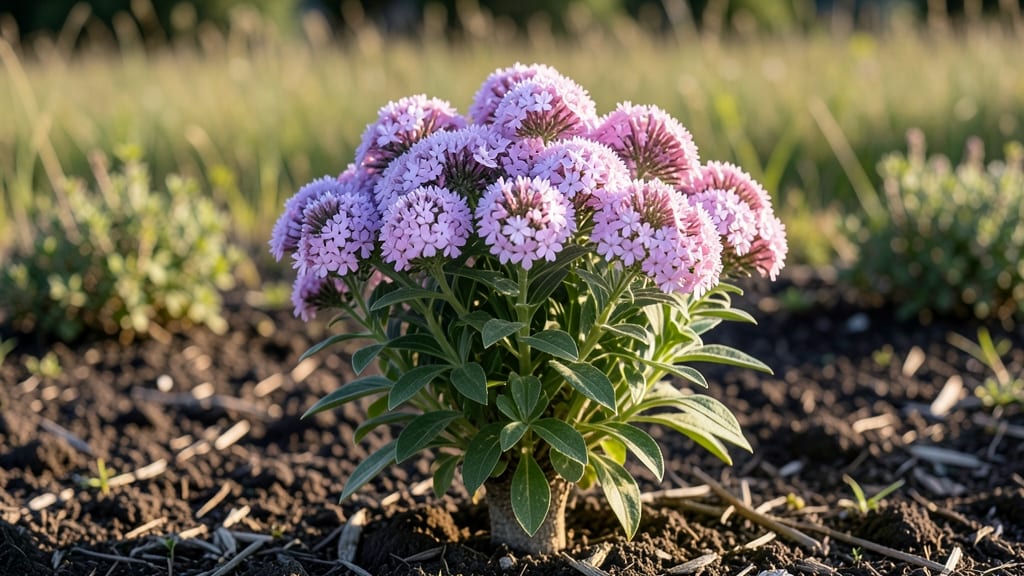
Garden phlox bloom in late spring to early summer 🌸, turning your garden into a fragrant, colorful masterpiece—but the exact timing depends on where you live and how you care for them.
Picture this: you’ve just planted your spring garden, and suddenly, clusters of vibrant blooms appear, drawing bees and butterflies by the dozens. For many gardeners, that magic happens in June or July, but in cooler zones like 6a, the show might start as early as May.
The trick? Knowing your zone and variety makes all the difference.
Whether you’re in the South with its long growing season or the North where summers are fleeting, the right preparation ensures your phlox don’t just bloom—they thrive. From soil prep to sunlight, small adjustments can shift your blooming window by weeks, turning a mid-July display into a June spectacle.
In this guide, I’ll walk you through the month-by-month blooming schedule by USDA zone, share pro tips to extend your phlox’s season, and even suggest companion plants to keep your garden buzzing all summer long.
Garden phlox blooming timeline by USDA Zone: exact months to expect flowers
Garden phlox (Phlox paniculata) is a summer showstopper, but its bloom timing varies dramatically based on your USDA zone.
In cooler northern zones, you might see buds opening as early as late June, while gardeners in warmer southern zones could enjoy flowers from May through August. The key? Understanding how your local climate interacts with phlox varieties to predict peak bloom windows.
For example, Phlox paniculata (tall garden phlox) typically blooms 4-6 weeks later than Phlox drummondii (annual phlox). Meanwhile, early-season varieties like 'David' may start in June, while late bloomers like 'White Delight' can stretch into September. Let’s map out what to expect in your specific zone.
⚠️ Pro Tip: Phlox thrives in cool evenings after hot summer days. In zones 7-9, blooms may appear earlier but fade faster without afternoon shade. In zones 3-6, cooler temperatures extend the flowering period naturally.
In Zone 3-4, where summers are short, gardeners like Mary from Minnesota swear by late-blooming varieties like 'Lipstick' to extend color until early September. She plants them near late-summer perennials like sedum to create a seamless transition.
Meanwhile, in Zone 9, Carlos in California starts his phlox in early spring to beat the heat, often pairing them with shade-loving plants like heuchera.
Your local last frost date also plays a role. In Zone 5, where frost lingers until mid-May, phlox planted in late April may not bloom until late June.
Conversely, in Zone 7, where frost is rare by March, early varieties can start as soon as May. Always check your USDA zone map and adjust planting dates accordingly.
For maximum blooms, time your planting so flowers appear when daytime temperatures are 70-75°F but nights stay below 60°F. In hotter zones (8-9), provide afternoon shade to prevent buds from dropping. A simple lightweight shade cloth can work wonders for prolonging the show.
If you’re in Zone 6 or 7 and notice your phlox blooming too early, try delaying deadheading until after July 4th. This encourages a second flush of flowers in late summer.
Gardeners in Zone 4 often use this trick to stretch their 4-6 week bloom window into 8 weeks.
For continuous color, mix early, mid, and late-season varieties. For example, plant 'David' (early), 'White Delight' (mid), and 'Jeana' (late) together. This ensures your garden stays vibrant from June through September, regardless of your zone.
Remember, soil health impacts bloom timing too. Amend your soil with compost in early spring to give phlox the nutrients it needs for robust growth. In sandy soils, add organic matter
How to extend your garden phlox blooming season with simple tricks
Garden phlox typically bursts into bloom between late June and August, but with the right strategies, you can stretch that colorful display by 4-6 weeks. The secret lies in understanding how to delay or prolong flowering through smart care practices.
Whether you're dealing with early bloomers or late-season varieties, these tricks will keep your phlox looking fresh and vibrant longer.
First, let’s tackle the most common issue: powdery mildew, which can cut blooms short. This fungal disease thrives in crowded, humid conditions, so proper spacing and airflow are your first line of defense.
I’ve found that spacing plants 18-24 inches apart and avoiding overhead watering dramatically reduces mildew risk. Pair this with neem oil sprays every 2 weeks during peak bloom for extra protection.
One of my favorite tricks to delay blooming is strategic pruning. In early spring, give your phlox a light haircut—cutting back one-third of the stems to the first set of leaves.
This encourages later, bushier blooms instead of early, sparse flowers. I’ve seen this method push blooming by 2-3 weeks in my Zone 6 garden.
For prolonged blooming, focus on soil health. Amend your soil with compost or aged manure before planting to provide essential nutrients. I mix in 2-3 inches of compost into the top 6 inches of soil, which improves drainage and nutrient availability.
This ensures your phlox has the energy to keep producing flowers well into early fall.
Don’t forget the power of companion planting! Pairing phlox with low-growing perennials like sedge or creeping thyme creates a microclimate that retains moisture and deters pests. I’ve noticed my phlox blooms 10-14 days longer when planted near these companions, thanks to the improved growing conditions.
Finally, keep an eye on the weather forecast. If a heatwave is coming, provide light shade during peak afternoon sun to prevent stress. A simple shade cloth or nearby trees can make all the difference in keeping your phlox blooming until the first frost.
With these tricks, you’ll enjoy vibrant phlox blooms from July through September—or even later! 🌸