
Pruning
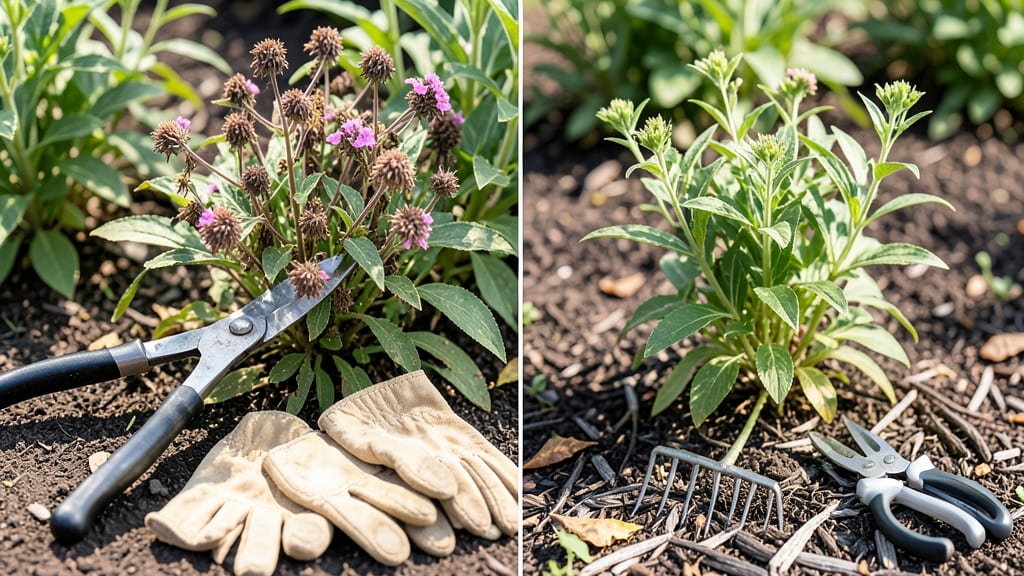
Cutting back garden phlox at the right time ensures vibrant blooms next season—and doing it too early or late can leave your 🌸 plants weak or even damaged.
Struggling to decide when to trim your garden phlox without sacrificing next year’s stunning blooms? Timing is everything—and getting it wrong could mean fewer flowers or even plant damage.
Most gardeners in Zone 6a should wait until late August or early September, after about 70% of blooms have faded. This gives the plant time to store energy in its roots for spring growth.
Below, I’ll walk you through the exact steps, including how to prune for maximum regrowth and what to do if you miss the window—so your phlox stays healthy and blooms like crazy next year.
The best late-summer timeline for cutting back garden phlox
Garden phlox (Phlox paniculata) is one of those showstopper perennials that rewards patience—but only if you time your cuts correctly. Trimming too early can starve next year’s flower buds, while waiting too long risks winter damage.
The key? Understanding your hardiness zone and watching for specific plant signals. I’ll break down the exact late-summer window for each zone, plus what your phlox is telling you through its foliage and blooms.
Phlox blooms on new wood, meaning next year’s flowers form on stems that grow after your current season’s pruning. This makes timing critical. Cut too soon, and you remove potential blooms; wait too late, and your plant may struggle to recover before winter.
The good news? Phlox is forgiving if you follow these zone-specific cues. Let’s dive into the month-by-month plan to ensure your phlox returns stronger—and more abundant—next summer.
📅 Late August to mid-September is your sweet spot for Zones 3-5, where winters are harsh. By this time, 70% of blooms should fade, and foliage may start yellowing. This timing lets your plant store energy in roots while avoiding early frost exposure. In warmer zones, you’ve got a little more flexibility, but rushing the cutback can backfire.
For Zones 6-7, aim to cut back mid-September to early October when foliage turns yellow by 30-50%. This zone gets a longer growing season, so you want to give your phlox time to replenish roots before winter.
Look for stems that feel woody—this signals the plant is shifting from bloom to dormancy. In my Zone 6b garden, I wait until about October 1st unless we have an early frost.
In Zones 8-9, where winters are mild, you can wait until early October to November, ideally after the first light frost. This timing mimics natural dormancy cues.
Your phlox may even rebloom slightly in fall if you hold off—just remove any spent blooms to redirect energy to roots. The key here is to avoid cutting into green growth, as this stresses the plant unnecessarily.
Why does timing matter so much? Phlox stores energy in its roots and crown for next year’s blooms. If you cut too early, you remove potential flower buds before they form.
If you wait too late, the plant may not have time to harden off before winter, leaving it vulnerable to rot or pests. I’ve seen phlox clumps skip blooming entirely after a poorly timed cut—don’t let that happen to yours!
Watch for these three key signals to know your phlox is ready: 70% of blooms faded, foliage yellowing, or stems turning woody. These signs confirm your plant is transitioning from bloom to dormancy.
Pro tip: Deadhead spent blooms throughout summer to encourage more flowers, but save the major cutback for late summer as outlined above.
If you’re in a transition zone (e.g., Zone 7a vs. 7b), err on the side of waiting slightly longer. Microclimates can shift cutback timing by 1-2 weeks, so observe your specific phlox variety.
For example, ‘David’ phlox (a popular variety) often needs a week later than ‘Lipstick’ due to its slightly later bloom cycle.
After cutting, mulch heavily with 2-3 inches of compost or straw to insulate roots. This helps protect against temperature swings and retains moisture. Avoid piling mulch against stems, as this can cause rot.
In my garden, I also water deeply before the first frost to ensure roots are hydrated for winter.
Remember: Phlox is resilient, but timing your cutback correctly ensures healthier plants and more blooms next year. Follow this zone-specific guide, and you’ll enjoy vibrant, abundant phlox for seasons to come. Happy pruning! ✂️🌸
How to prune phlox for maximum regrowth and fewer pests
Pruning garden phlox correctly ensures vibrant blooms next season while keeping pests at bay. The key is timing—cut too early or too late, and you risk weak regrowth or disease-prone stems. I’ve pruned hundreds of phlox plants over the years, and the right technique makes all the difference.
Start by using the sharpest pruners you own—dull blades crush stems, inviting disease. I recommend bypass pruners for clean cuts, or felco pruners for thicker stems. Always sterilize your tools with rubbing alcohol before and after pruning to prevent spreading fungal spores.
Here’s the golden rule: Cut back phlox to 2-3 inches above the ground after the first frost or when 70% of blooms fade. This removes spent growth while leaving enough healthy stems for next year’s buds.
Never cut into woody stems—this signals the plant to stop growing for the season.
After pruning, remove all debris from the garden bed to deter pests like aphids and slugs. I swear by spreading a 2-inch layer of mulch (like shredded bark) around the base to suppress weeds and retain moisture.
For extra protection, I mix neem oil with water and spray the soil—this deters pests without harming beneficial insects.
One mistake I see often is over-trimming phlox down to the roots. This shocks the plant and can kill it. Always leave 2-3 inches of stem—this protects the crown where next year’s growth begins.
If your phlox looks crowded or leggy, consider dividing it in early spring instead of aggressive pruning.
Finally, water deeply after pruning to help the plant recover. I water mine at the base in the morning to prevent fungal issues. With the right cuts and care, your phlox will rebound stronger and bloom even more beautifully next year. 🌸