
Vegetables
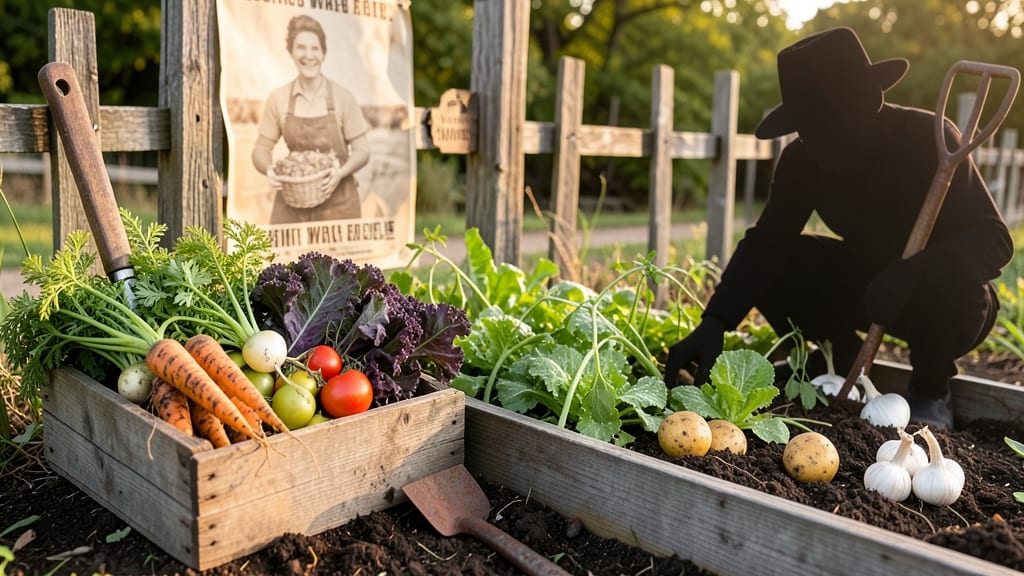
The purpose of victory gardens was to produce food locally during wartime shortages, helping countries like the U.S. and UK grow their own vegetables, fruits, and herbs at home. This effort reduced pressure on commercial farms, conserved shipping resources, and boosted morale by fostering community self-reliance.
The concept behind victory gardens wasn't just about growing food—it was a strategic move to free up agricultural resources for the military. 🌱 During World War II, governments actively promoted these gardens through posters, radio broadcasts, and even school programs, encouraging families to dedicate even small backyards or window boxes to cultivation.
The results were staggering: by 1943, American victory gardens produced nearly 40% of the nation's produce, while British gardens contributed over 1.5 million tons of food annually. This shift from store-bought to homegrown wasn't just practical; it became a symbol of national unity and resilience during challenging times.
What made these gardens particularly effective was their focus on high-yield, easy-to-grow crops like tomatoes, potatoes, and leafy greens—produce that could be harvested frequently. Many families also grew herbs for cooking and medicinal plants, maximizing every square foot of space.
The movement proved so successful that even after the wars ended, many people continued gardening as a sustainable lifestyle choice.
💡 In This Article
- How Victory Gardens Boosted Food Production During WWII
- Tips for Planting a Modern Victory Garden
How victory gardens boosted food production during WWII
Victory gardens weren't just about growing vegetables—they were a calculated wartime strategy that transformed private spaces into productive agricultural zones. Governments like the U.S. Department of Agriculture and Britain's Ministry of Agriculture launched nationwide campaigns using propaganda posters, radio programs, and even school curricula to teach gardening basics.
The U.S. alone had 20 million victory gardens by 1944, producing 8 million tons of food annually—equivalent to feeding the entire population of New York City twice over!
The focus was on high-yield crops that could thrive in small urban spaces: tomatoes (producing 10-15 lbs per plant), potatoes (yielding 5-10 lbs per square yard), and leafy greens like lettuce and spinach that could be harvested repeatedly.
Herbs like parsley and basil were prioritized for both cooking and medicinal uses, while fruits like strawberries and raspberries provided much-needed vitamin C. The selection was strategic—crops that could be preserved through canning or freezing for winter months.
This local production had a direct impact on national food reserves. With commercial agriculture redirected toward feeding troops and producing materials for the war effort, victory gardens filled the gap.
In Britain, where food rationing was severe, victory gardens contributed 1.5 million tons of food annually—about 40% of the country's fresh vegetable supply. The U.S. saw similar results, with victory gardens supplying 40% of the nation's produce during peak production years.
This wasn't just about filling stomachs; it was about conserving shipping resources that could then be used to transport military supplies and troops.
What made these gardens particularly effective was their adaptability to urban environments. Families grew vegetables in window boxes, rooftop gardens, and even vacant lots. The U.S. government provided free seeds and gardening guides, while community groups organized shared plots in city parks.
This grassroots effort fostered a sense of civic duty and resilience, with children often playing key roles in planting and maintaining the gardens. The psychological boost of growing one's own food was just as important as the physical contribution to the war effort.
The success of victory gardens also had long-term consequences. Many families who participated during the war continued gardening after the conflict ended, recognizing the benefits of fresh, homegrown produce.
This movement laid the foundation for modern urban farming and community gardens, proving that even small-scale agriculture could have a massive impact on food security. 🌱
One often-overlooked aspect was how victory gardens addressed nutritional deficiencies caused by rationing. With meat and dairy products limited, fresh vegetables provided essential vitamins and minerals. For example, a single 10x10-foot garden could produce enough carrots to supply a family's daily vitamin A needs for months.
This nutritional boost was crucial for maintaining public health during a time of widespread food restrictions.