
Vegetables
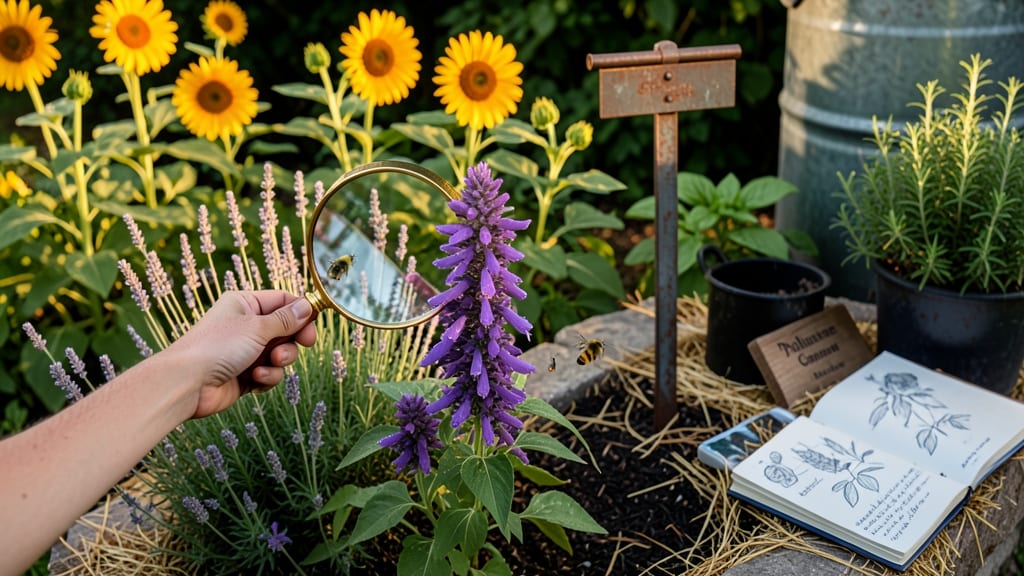
Purpose gardens matter because they create intentional ecosystems that rebuild soil vitality through erosion prevention, nutrient-rich organic matter, and thriving microbial communities. These gardens also disrupt pest cycles by leveraging biodiversity and strategic plant pairings, reducing the need for synthetic interventions.
Purpose gardens go beyond decoration—they're living systems designed to work with nature's rhythms. 🌱 By interplanting nitrogen-fixing crops like clover with heavy feeders such as tomatoes, they create self-sustaining nutrient loops that eliminate the need for chemical fertilizers.
The root structures from diverse plants also improve soil aeration and water retention, making gardens more resilient during droughts. What's particularly impressive is how these systems naturally crowd out weeds and deter pests through plant signaling—marigolds repelling nematodes while basil protects tomatoes from whiteflies.
These gardens represent a shift from conventional monoculture to regenerative agriculture principles. The intentional layering of plants—from deep-rooted perennials to shallow annuals—mimics natural ecosystems, creating habitats for beneficial insects that prey on garden pests.
This approach doesn't just reduce chemical use; it builds long-term soil fertility that conventional methods can't match. For anyone looking to grow food more sustainably, purpose gardens offer a proven, science-backed solution that delivers both ecological and practical benefits.
💡 In This Article
- How Purpose Gardens Enhance Soil Fertility
- Natural Pest Control Strategies in Purpose Gardens
How purpose gardens enhance soil fertility
Purpose gardens transform soil from a static medium into a dynamic ecosystem through carefully selected plant combinations. The key mechanism is cover cropping—using plants like winter rye or clover that aren't harvested but instead die back into the soil.
When these plants decompose, they release organic matter at a controlled rate, feeding soil microbes while preventing nutrient loss through leaching. Studies show cover crops can increase soil organic matter by up to 30% in just one growing season compared to bare soil.
The root systems play a crucial role too. Deep-rooted plants like comfrey reach 6-8 feet underground, breaking up compacted soil layers and creating channels that improve water infiltration.
Shallow-rooted plants such as lettuce grow in the top 6 inches, creating a diverse root network that captures nutrients at different soil depths. This root diversity boosts soil structure by increasing aggregation—clumping soil particles together—which enhances water retention by 20-40% during dry periods.
The result is soil that holds moisture like a sponge while maintaining proper aeration for root growth.
Microbial diversity is where the magic happens. Purpose gardens create microhabitats that support thousands of microbial species, including bacteria, fungi, and protozoa. For example, legumes like peas form symbiotic relationships with rhizobia bacteria, converting atmospheric nitrogen into forms plants can use.
This process adds 50-100 pounds of nitrogen per acre annually—equivalent to 100-200 pounds of synthetic fertilizer. The microbial activity also accelerates decomposition, turning plant residues into available nutrients within weeks rather than months.
Another critical factor is mycorrhizal fungi, which form networks connecting plant roots. These fungi extend the root system's reach by 10-100 times, allowing plants to access nutrients from a much larger volume of soil.
Research from the Rodale Institute found gardens with active mycorrhizal networks showed 30% higher yields in vegetables compared to conventional gardens. The fungi also help plants communicate, sharing nutrients and defense signals—a phenomenon known as the "Wood Wide Web."
Purpose gardens also prevent erosion through ground cover strategies. Unlike conventional gardens that leave soil bare between plantings, these systems maintain continuous plant coverage. For instance, planting low-growing clovers between rows of tomatoes creates a living mulch that intercepts raindrops, reducing soil splash erosion by up to 70%.
The dense foliage also blocks sunlight, preventing weed seeds from germinating—a double benefit that eliminates the need for synthetic herbicides.
What most gardeners don't realize is how these systems self-regulate. The diverse plant communities create a balanced ecosystem where no single species dominates. This prevents pest outbreaks by removing the monoculture conditions that attract specific insects.
For example, a garden with 20+ plant species per acre will naturally support 50-100 beneficial insect species, including predators that keep pest populations in check. The result is healthier soil that supports more vigorous plant growth with less intervention. 🌱