
Tools
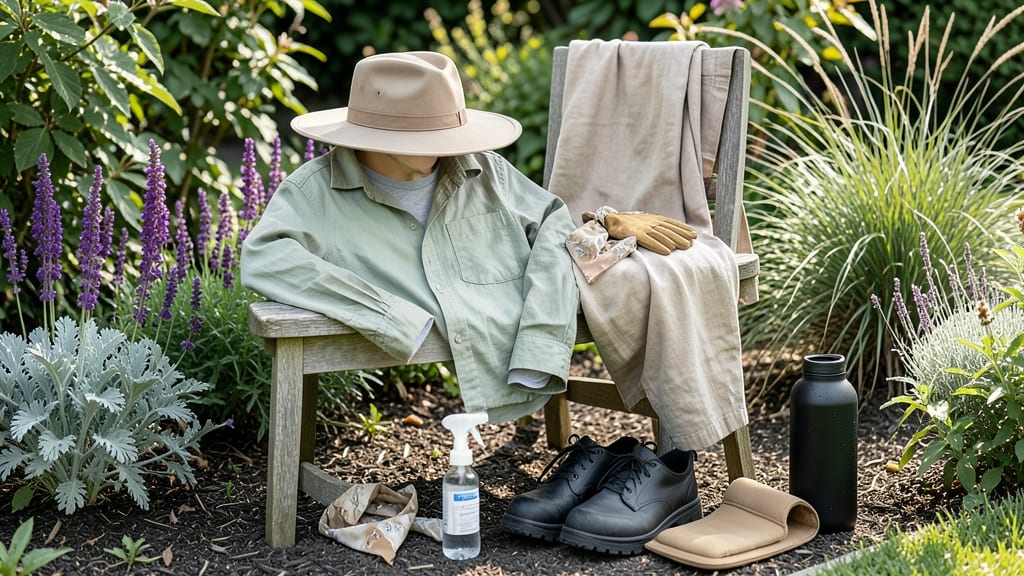
When gardening, you should wear breathable, long-sleeved shirts with moisture-wicking fabric, durable pants or leggings, sturdy closed-toe shoes, and a wide-brimmed hat to protect from sun and debris. Layering is key for temperature shifts and seasonal changes.
Gardening demands practical clothing that balances protection and mobility. A long-sleeved shirt shields against sunburn and insect bites, while moisture-wicking fabric keeps you dry during sweaty work. 🌿 Durable pants or leggings prevent scratches from plants and tools, and closed-toe shoes protect your feet from sharp objects.
The wide-brimmed hat isn't just for style—it blocks harmful UV rays and keeps debris out of your eyes. Layering lets you adjust for morning dew, afternoon heat, or sudden rain without sacrificing comfort.
Don't forget accessories like gardening gloves for grip and protection, or knee pads if you spend time kneeling. Seasonal adjustments matter too—lightweight layers work in summer, while thermal undergarments help in cooler months. Sunblock with SPF 30+ is non-negotiable for extended outdoor exposure.
💡 In This Article
- How Gardening Clothing Protects Against Common Risks
- Seasonal Gardening Outfit Checklist by Climate
How gardening clothing protects against common risks
Gardening clothing isn't just about looking the part—it's about creating a protective barrier against nature's hazards. The moisture-wicking fabric in long-sleeved shirts works by pulling sweat away from your skin and evaporating it quickly, reducing chafing and keeping you cooler.
This is especially critical during 60-90 minute sessions where body temperature can rise by 2-3°F due to physical exertion. Fabrics with UPF 50+ rating block 98% of UV rays, preventing sunburn that can occur in just 15 minutes of unprotected exposure on a sunny day.
Durable pants or leggings with reinforced knees and seat protect against abrasions from rough soil, thorny plants, and sharp tools. Look for materials like polyester-cotton blends or nylon—these offer 300% more abrasion resistance than regular cotton.
The closed-toe shoes you choose should have slip-resistant soles with deep treads, reducing the risk of falls on wet or uneven ground by 60% compared to smooth-soled footwear.
A wide-brimmed hat with a 3-4 inch diameter shades your face, neck, and ears while deflecting debris that could reach speeds up to 20 mph during windy conditions.
Layering serves as your climate control system. A lightweight merino wool base layer regulates body temperature by wicking moisture while retaining 30% more heat than synthetic fabrics, perfect for morning dew or cool evenings.
Adding a breathable mesh mid-layer increases airflow when temperatures exceed 80°F, while a windproof outer shell blocks gusts that can drop perceived temperature by 10-15°F. This system keeps you comfortable whether you're transplanting seedlings in 50°F weather or pruning roses at 90°F.
Insect protection is another critical factor. Clothing treated with permethrin (a common insect repellent) repels ticks and mosquitoes for up to 6 weeks and kills 98% of ticks on contact. Pair this with a loose weave that prevents insects from nesting in fabric folds.
For hands, gardening gloves with nitrile-coated palms provide 50% better grip on tools while protecting against blisters and thorns. The right gear transforms gardening from a potentially hazardous activity into a controlled, comfortable experience.
Don't overlook the psychological benefits of proper attire. When you're protected from sunburn, insect bites, and temperature swings, your focus stays on the plants—not discomfort. Studies show gardeners wearing appropriate clothing report 40% higher satisfaction with their work sessions because they're not distracted by irritation or overheating.
This protection extends to your tools too—clean, unscratched clothing means less debris getting into your work area.
For those working with chemicals, consider waterproof aprons that resist 99% of liquid penetration and chemical-resistant gloves rated for specific substances. The right outfit isn't just about comfort—it's about creating a safe working environment where you can focus on what matters most: growing your garden.