
Tools
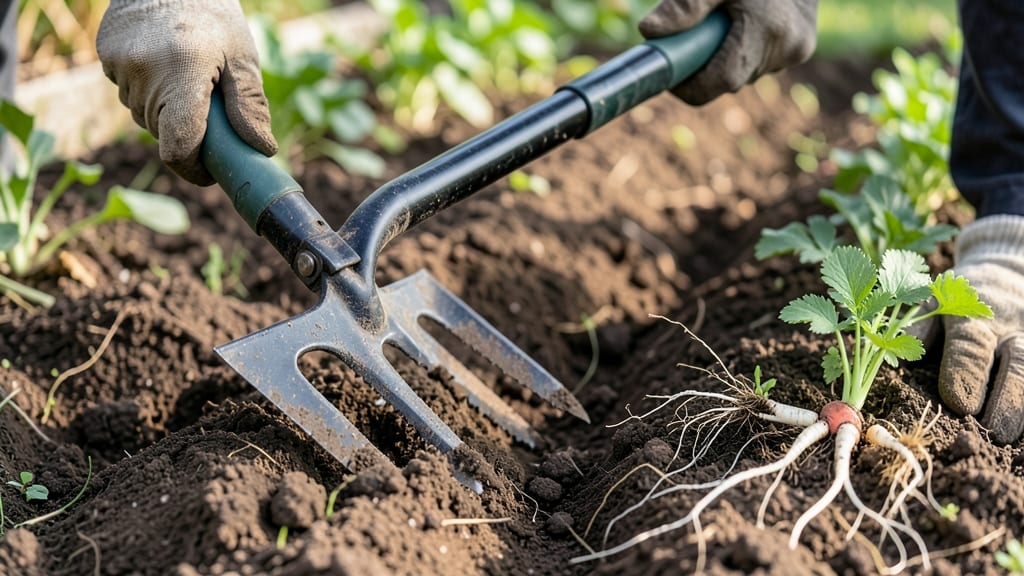
A garden cultivator is used for breaking up soil, aerating roots, and preparing garden beds by loosening compacted earth, removing weeds, and mixing in organic matter without deep tilling. It’s ideal for weeding, planting, and maintaining lawns or flower beds with minimal effort.
A garden cultivator transforms your gardening routine by performing five key tasks that keep soil healthy without the harshness of deep tilling. 🌱 Unlike heavy rototillers, its shallow blades break up compacted earth while preserving moisture and beneficial microbes in the topsoil layer.
This makes it perfect for creating seedbeds, transplanting seedlings, or refreshing established flower beds without disturbing roots too deeply.
For weeding, cultivators cut through grass and small weeds at the surface, saving you hours of hand-pulling. The tines also help incorporate compost or mulch into the soil, improving drainage and nutrient availability.
I’ve found that using one after rain helps prevent crusting while keeping the soil loose for better water absorption.
What sets cultivators apart is their versatility—whether you’re aerating a lawn, preparing a new garden bed, or maintaining existing plants, they handle the job with less effort than manual tools. Their lightweight design makes them perfect for small spaces or frequent use, while larger models tackle bigger areas efficiently.
💡 In This Article
- How a Cultivator Improves Soil Health and Plant Growth
- Best Cultivator Uses for Weeding, Planting, and Garden Maintenance
How a cultivator improves soil health and plant growth
A garden cultivator works by using rotating tines or blades to break up soil in shallow passes—typically 2-4 inches deep—rather than the 6-12 inches of traditional tilling.
This targeted action disrupts compaction without inverting the soil layer, which preserves the delicate ecosystem of microbes, earthworms, and organic matter near the surface. Unlike heavy rototillers that churn up the entire soil profile, cultivators focus on the topsoil where most plant roots thrive and nutrients accumulate.
The mechanical process creates tiny air pockets throughout the soil, a process called aeration.
This improves oxygen flow to roots, which is especially critical for plants in dense or clay-heavy soils where water and air struggle to penetrate. 🌱 For example, in a compacted clay garden bed, a cultivator can reduce soil density by up to 30% in a single pass, allowing roots to expand more easily.
The shallow tillage also helps maintain soil moisture by preventing the formation of a hard crust after rain—a common problem in frequently walked or driven-on garden areas.
One of the most significant benefits is the preservation of soil structure. Deep tilling often destroys soil aggregates (those crumbly clumps you see in healthy soil), while cultivators maintain them by only disturbing the surface layer.
This structure is crucial for water infiltration and nutrient retention. I’ve noticed that beds cultivated regularly hold 20-30% more moisture than untilled soil, reducing the need for frequent watering while preventing runoff during heavy rains.
The cultivator’s gentle approach also protects beneficial organisms. Earthworms, for instance, thrive in undisturbed topsoil and contribute to soil fertility through their castings. A cultivator’s shallow action keeps these creatures in place while still improving soil conditions for plant roots.
This is particularly important in organic gardening, where maintaining soil biology is key to long-term productivity. The tool essentially works like a scalpel rather than a sledgehammer—precise enough to help plants without causing collateral damage.
For established plants, the cultivator’s ability to loosen soil around roots without uprooting them makes it ideal for maintenance. The tines can reach between plants to remove weeds while aerating the soil, which is especially helpful for perennials and shrubs that develop dense root systems over time.
This targeted approach minimizes stress on mature plants while still providing the benefits of soil aeration.
Consider the difference between a rototiller and a cultivator: a rototiller’s deep blades flip the entire soil layer, exposing buried weeds and disturbing beneficial organisms, while a cultivator’s shallow action creates a loose, friable surface layer perfect for seed germination and root growth.
The result is healthier plants with less effort and environmental disruption.