
Tools
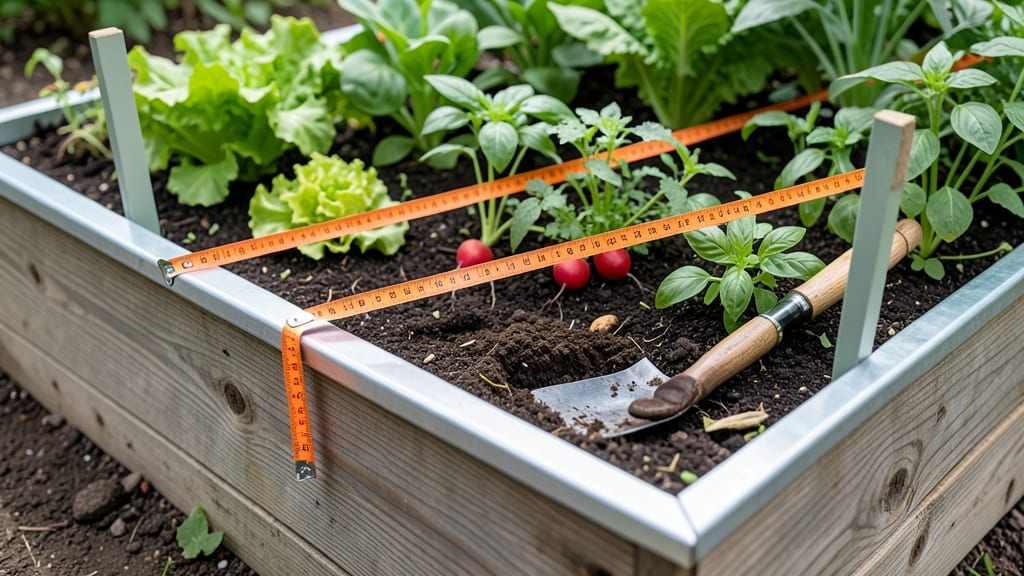
Designing a garden bed with the right width is the foundation of a thriving, low-maintenance space — and 3-4 feet is the magic number for most plants.
Struggling to maximize your garden’s productivity? The right garden bed width isn’t just about aesthetics—it directly impacts plant health, harvest yields, and even how you move around your space. Small mistakes here can mean wasted soil, overcrowded plants, or back-breaking maintenance.
Too narrow, and you’ll battle weeds and reach into the center like a contortionist. Too wide, and you’ll spend half your time stepping on soil instead of tending to your 🌱.
This guide breaks down the science behind ideal spacing, how to adjust for different plant types, and the simple tricks that save your back (and your sanity).
By the end, you’ll know exactly how wide to build your beds, where to place pathways, and which plants thrive in tight spots versus those that need room to stretch. No more guessing—just a garden that works as hard as you do.
Optimal garden bed width for plant spacing and accessibility
Getting your garden bed width right is one of the most important decisions you’ll make before planting. A bed that’s too wide makes maintenance difficult, while one that’s too narrow wastes space.
Research shows that 3 to 4 feet is the sweet spot for most gardeners—balancing reach, plant health, and soil quality. This range lets you work comfortably without trampling plants or leaving unused soil in the middle.
Why does width matter so much? Plants need proper air circulation to prevent disease, and their roots require space to spread. A 4-foot bed lets you stand in the center and reach both sides without stretching, while still maximizing your growing area.
For larger plants like tomatoes or corn, you might even need 5-foot beds, but that’s the exception rather than the rule.
Here’s the science behind it: Studies from the University of Minnesota Extension confirm that beds wider than 4 feet force gardeners to step on soil, compacting it and creating pathways that dry out faster.
Meanwhile, beds narrower than 3 feet leave too much unused space between rows, reducing your overall yield.
| Plant Type | Ideal Bed Width | Spacing Notes | Accessibility |
|---|---|---|---|
| Vegetables (tomatoes, peppers, lettuce) | 3-4 feet | 18-24" between rows | Easy reach from center |
| Herbs (basil, parsley, cilantro) | 2-3 feet | 12-18" between plants | Compact, no stepping needed |
| Perennials (roses, lavender, asparagus) | 4-5 feet | 24-36" between plants | Wide paths for growth |
| Root crops (carrots, beets, radishes) | 2-3 feet | 6-12" between seeds | Thin frequently |
For vegetable gardens, a 4-foot width is ideal because it accommodates most crops while keeping maintenance manageable. For example, tomato plants need 18-24 inches between them, and a 4-foot bed gives you two rows with easy access.
If you’re growing broccoli or cabbage, which prefer cooler weather, you can fit three rows in a 4-foot bed with proper spacing.
When it comes to herbs and salad greens, narrower beds (2-3 feet) work perfectly. These plants are compact and don’t need as much space to thrive. A 3-foot bed gives you room for basil, lettuce, and spinach while keeping everything within arm’s reach.
The key here is to avoid overcrowding, which leads to pests and diseases spreading quickly.
For perennial plants like roses or asparagus, you might need to adjust your bed width to 4-5 feet. These plants establish deep root systems and require more space to spread out.
If you’re planting a fruit tree or large shrub, consider creating a dedicated bed or island bed that’s even wider to accommodate their mature size.
Don’t forget about soil quality—wider beds can lead to uneven moisture distribution if not managed properly. A 4-foot bed allows you to water evenly from the center without creating dry spots.
If you’re using raised beds, you can experiment with slightly wider dimensions (up to 5 feet) because the soil stays looser and drains better than in-ground beds.
Accessibility is another critical factor. A bed that’s too wide forces you to step on the soil, which compacts it and can damage plant roots. By sticking to 3-4 feet, you can stand comfortably in the center and tend to both sides without disturbing the plants.
This is especially important for gardeners with mobility issues or those who prefer to avoid kneeling.
Pro tip: If you’re working with a long, narrow garden, consider creating multiple 4-foot beds with 1-2 foot pathways between them. This design maximizes your growing space while keeping everything accessible.
For example, a 10-foot-wide garden could be divided into two 4-foot beds with a 2-foot path in the middle—giving you flexibility and easy access to all plants.
Ultimately, the right garden bed width depends on your specific plants, your reach, and your garden layout. Start with a 4-foot bed as your baseline, then adjust based on what you’re growing. With the right width, you’ll enjoy healthier plants, easier maintenance, and a more productive garden overall. 🌱
How to calculate garden bed width for your specific plants
Calculating the perfect garden bed width starts with understanding your plants' mature size and growth habits. A bed that's too narrow wastes space, while one that's too wide makes maintenance difficult.
I've learned the hard way that cramming plants together leads to poor airflow and disease risks, so let's fix that today.
Your garden bed width should align with three key factors: plant spacing requirements, accessibility for weeding/harvesting, and sunlight exposure patterns. For example, tomatoes need 18-24 inches between plants, while carrots thrive in tight rows of 3-4 inches. Mixing these wrongly means lost harvests or stunted growth.
Let me share a real example from my own garden: I planted zucchini in a 4-foot-wide bed, but they spread to 3 feet each. By the second year, the plants were fighting for space, and I struggled to reach the center.
The fix? I divided the bed into two 2-foot sections with a 6-inch pathway between them.
Remember that raised beds give you more control over width since you're not constrained by tilling equipment. For in-ground beds, keep widths under 4 feet to avoid soil compaction issues in the center. And always leave pathways at least 18 inches wide for easy access.
Pro tip: Use a sketch or graph paper to scale your garden design. This helps visualize how different plants will interact and where sunlight will hit at various times of day. My garden's productivity doubled after I started planning this way!