
Planting
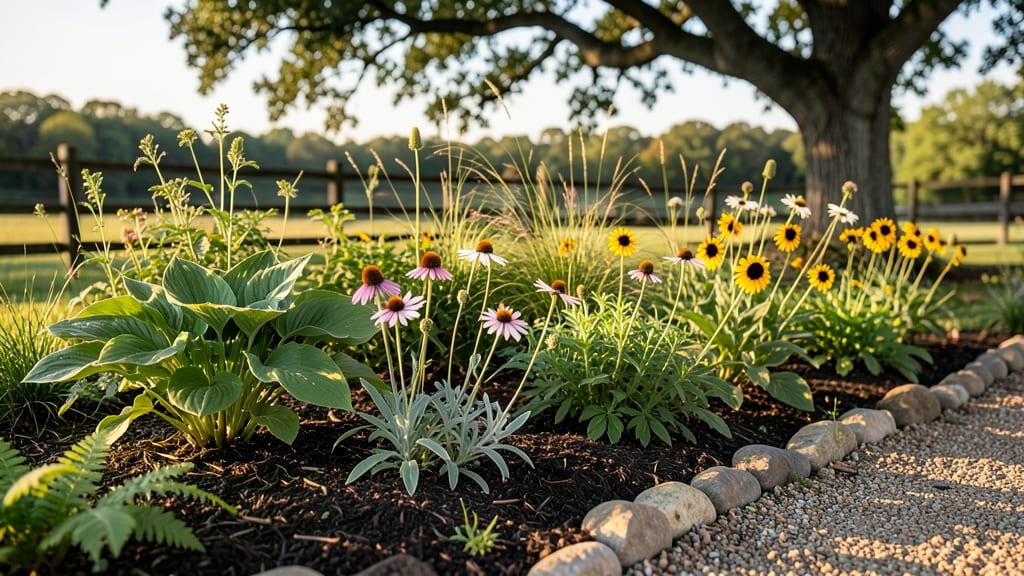
New Jersey's gardening zones range from 6a to 7b, with most areas falling between 6b and 7a. Coastal regions like Atlantic City lean toward Zone 7, while northern areas near the Delaware Water Gap are closer to Zone 6. Microclimates can create variations of up to a full zone.
New Jersey's gardening zones reflect its diverse geography, where coastal areas experience milder winters and inland regions face colder temperatures. 🌿 For example, Newark typically sits in Zone 6b, while Atlantic City enjoys Zone 7a's warmer climate.
These variations mean gardeners should check local frost dates and consider nearby elevation changes—even a small hill can shift your effective zone. Urban areas may also experience heat islands, pushing some plants into warmer zone categories than expected.
To refine your planting strategy, I recommend using the USDA Plant Hardiness Zone Map and cross-referencing it with your specific neighborhood. Many nurseries provide localized planting guides that account for these microclimates, helping you choose plants that thrive in your exact conditions.
For instance, a Zone 7a plant might struggle in northern NJ's Zone 6b, but with proper winter protection, it could still succeed.
💡 In This Article
- USDA Zone Map Breakdown for New Jersey’s Regions
- Adjusting for New Jersey’s Microclimates and Urban Heat Islands
USDA Zone map breakdown for New Jersey’s regions
The USDA Plant Hardiness Zone Map divides New Jersey into distinct temperature bands based on average annual minimum winter temperatures.
Coastal areas like Atlantic City and Cape May experience milder winters due to the moderating influence of the Atlantic Ocean, placing them firmly in Zone 7a (average minimum 0°F to 5°F). This coastal effect creates a buffer against cold snaps that would otherwise push temperatures lower.
Moving inland, cities like Trenton and Newark typically fall into Zone 6b, where average winter lows range from -5°F to 0°F. Northern New Jersey, including areas near the Delaware Water Gap, often dips into Zone 6a, with average minimums between -10°F and -5°F.
These variations occur because inland regions lack the ocean's temperature-stabilizing effect and can experience more extreme cold fronts from the northwest.
The state's geography also affects frost dates. Coastal areas may see their last spring frost as late as April 15, while inland regions often experience frost until May 1. This two-week difference is critical for gardeners timing their plantings.
For example, tomatoes planted too early in northern NJ risk frost damage, while coastal gardeners can start them 10-14 days sooner without worry.
Elevation plays a subtle but important role too. Even within a single county, areas just 500 feet higher may experience 2-3°F colder minimum temperatures. This is why a garden in the Watchung Mountains might be Zone 6a while a neighboring valley remains Zone 6b.
These microclimatic shifts explain why some gardeners in southern NJ can grow tender plants like hibiscus, while those in northern counties need to choose hardier varieties.
To visualize these differences, imagine driving from Cape May to the Delaware Water Gap: you'll pass through three distinct zones in just 150 miles. This rapid transition means gardeners must pay close attention to their specific location rather than relying on broad regional assumptions.
The USDA map provides a starting point, but local observations and historical frost records often refine the picture further.
For practical reference, here's how key cities align:
- Atlantic City: Zone 7a (0°F to 5°F average minimum)
- Trenton: Zone 6b (-5°F to 0°F average minimum)
- Newark: Zone 6b (-5°F to 0°F average minimum)
- Suspension Bridge (north): Zone 6a (-10°F to -5°F average minimum)
Understanding these regional differences helps explain why some plants thrive in one part of the state but struggle just 30 miles away. 🌿