
Planting
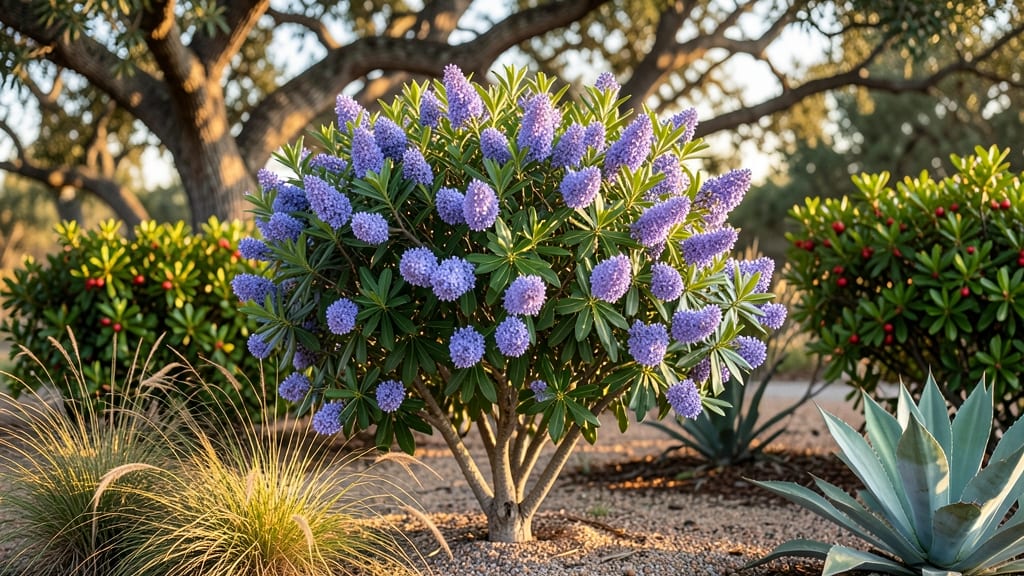
What gardening zone is San Diego, CA primarily in? USDA Hardiness Zones 9b and 10a, with coastal areas extending into Zone 10b, due to its Mediterranean climate featuring mild winters and warm summers. Local elevation and proximity to the ocean create significant microclimate variations.
San Diego's USDA zone classification reflects its unique climate patterns, where coastal areas like La Jolla experience cooler temperatures year-round, while inland regions near the foothills can get significantly hotter. 🌿 The Mediterranean climate—marked by wet winters and dry summers—allows for a wide variety of plants to thrive, but microclimates mean gardeners should adjust their choices based on their specific location.
For instance, areas near the coast may support tropical plants that wouldn't survive inland, where heat and dryness dominate.
Understanding these zones helps gardeners select plants that match their local conditions. Coastal areas benefit from Zone 10b's warmth, while inland zones like 9b require more drought-resistant species.
The USDA map provides a starting point, but real-world conditions often demand finer adjustments—like choosing heat-tolerant varieties for urban heat islands or moisture-loving plants for foggy coastal areas.
💡 In This Article
- USDA Zone Map Breakdown for San Diego’s Key Regions
- Microclimate Factors That Affect San Diego Gardening Success
USDA Zone map breakdown for San Diego’s key regions
San Diego’s USDA Hardiness Zones are shaped by elevation and proximity to the Pacific Ocean. The coastal areas, like La Jolla and Pacific Beach, typically fall into Zone 10b, where average annual minimum temperatures hover around 30-35°F.
These regions benefit from cooling ocean breezes that moderate summer heat and keep winters mild. In contrast, inland areas such as Escondido and the foothills near Palm Springs drop into Zone 9b, where minimum temperatures can dip closer to 25-30°F during cold snaps.
The USDA system measures the lowest average temperatures over a 20-year period, but San Diego’s microclimates often push plants beyond these zones. For example, coastal gardens can safely grow tropical plants like hibiscus or bougainvillea that thrive in Zone 11, thanks to the ocean’s buffering effect.
Meanwhile, inland valleys may experience 105°F+ temperatures in summer, making traditional Zone 10 plants like citrus or olives require extra care—like afternoon shade or irrigation.
Elevation plays a critical role too. Areas like Julian, nestled in the mountains, can experience 10-15°F colder nighttime lows than coastal zones, even though they’re just 30 miles inland.
This is why gardeners in these regions often opt for cold-hardy Mediterranean plants like lavender or rosemary, which tolerate the cooler nights better than heat-sensitive tropicals.
What’s often overlooked is how the USDA zones underrepresent San Diego’s heat tolerance. While Zone 10b suggests plants can handle 30-35°F lows, many coastal gardens thrive with plants that survive 40°F+ minimums—thanks to the ocean’s moderating influence.
This discrepancy means gardeners should supplement USDA guidelines with local observations, such as tracking their own frost dates or monitoring summer heat spikes.
For precise planning, consider the Sunset Climate Zones, which divide San Diego into zones 24 (coastal) and 25 (inland). These zones account for factors like humidity and wind patterns that the USDA map doesn’t capture.
For instance, Sunset Zone 24’s high humidity supports ferns and orchids, while Zone 25’s drier air favors succulents and drought-tolerant shrubs.
Here’s a quick reference for key regions:
- Coastal (Zone 10b): La Jolla, Pacific Beach, Del Mar – 30-35°F lows, high humidity
- Inland Valleys (Zone 9b-10a): Escondido, San Marcos – 25-30°F lows, hotter summers
- Mountain Foothills (Zone 9a): Julian, Ramona – 20-25°F lows, cooler nights
Understanding these nuances helps gardeners avoid costly mistakes, like planting frost-sensitive plants in inland valleys or water-loving species in sandy, drought-prone soils. 🌿