
Tools
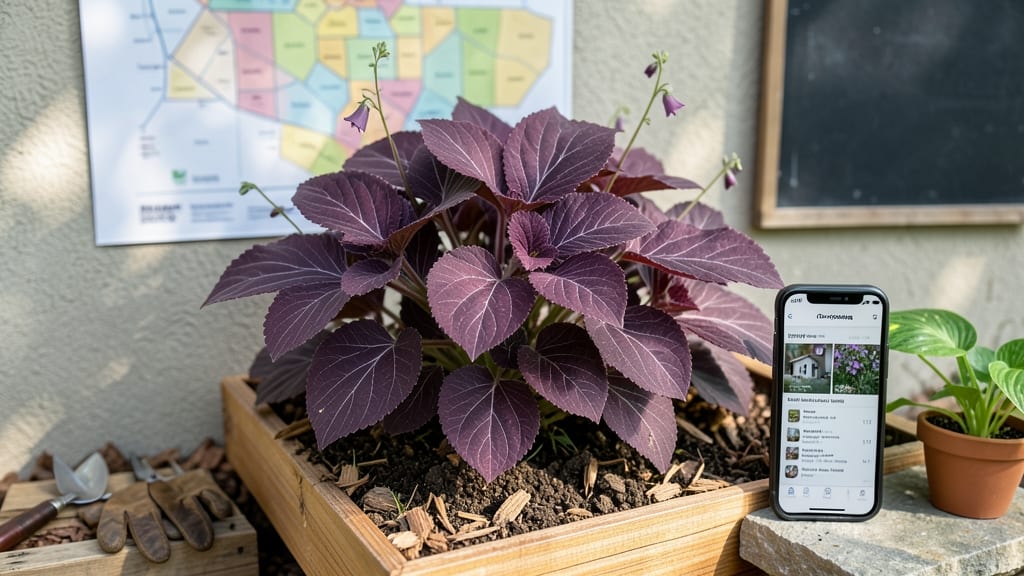
To determine your garden zone in 2025, check the updated USDA Plant Hardiness Zone Map, which accounts for recent climate changes—simply input your ZIP code on the USDA website to find your precise zone, then fine-tune for local factors like sun exposure or wind patterns near your property.
Climate shifts have redefined gardening zones, with the 2025 USDA map showing noticeable warming trends. Zone boundaries have expanded northward in many regions, meaning plants that once struggled in Zone 6 may now thrive in Zone 7.
For example, citrus trees are now viable in parts of the Midwest that were previously too cold. The key is using the updated map as a starting point, then adjusting for your specific microclimate—like a south-facing wall that traps heat or a windy hilltop that creates cooler conditions. 🌱
Don't stop at the map: local conditions often override zone recommendations. Test your soil's moisture retention, track last frost dates for 3-5 years, and observe how nearby structures or vegetation affect temperature. Many gardeners use free apps like PlantSnap or Gardenate to cross-reference zone data with real-time observations.
Even a 5-degree difference in winter lows can determine whether your roses survive or your tomatoes ripen fully.
💡 In This Article
- How the 2025 USDA Plant Hardiness Zones Differ from Previous Maps
- Adjusting for Microclimates: Sun, Wind, and Soil Factors
How the 2025 USDA plant hardiness zones differ from previous maps
The 2025 USDA Plant Hardiness Zone Map incorporates 30 years of climate data (1991-2020) instead of the previous 1981-2010 baseline, revealing measurable warming trends. Scientists analyzed 1,400+ weather stations across the U.S., finding that average minimum temperatures have risen by 1.5-2.5°F in many regions since 2012.
This shift explains why Zone 6b (average lows of -5°F to 0°F) now covers areas that were previously Zone 5b (-15°F to -10°F) in the 2012 map.
These changes aren't uniform—some areas have seen 5°F+ increases due to urban heat islands or coastal warming. For example, parts of Chicago (Zone 5a in 2012) now fall into Zone 6a, allowing gardeners to grow fig trees or olive varieties that previously wouldn't survive winter.
The new map also introduces half-zones (e.g., 9b vs 10a) to better reflect gradual climate transitions, with a 1°F difference between each half-zone.
What this means for plant selection: Cold-hardy plants like Russian sage now thrive in zones where they once struggled, while tropical plants like yucca can survive in Zone 7b areas that were previously too cold.
The map's interactive layer even shows projected shifts by 2050, helping gardeners plan for future viability. However, don't assume all plants will automatically succeed—soil moisture and wind exposure still play critical roles in survival.
Behind the science, the USDA uses degree-day models to calculate plant stress thresholds. For instance, a 10°F cold snap in Zone 6a might kill a Zone 7b plant if it occurs in late spring, even if average winter lows are now milder.
This is why the map emphasizes 30-year averages rather than single-year extremes—it accounts for both warming trends and occasional cold snaps that can still occur.
Consider this real-world example: Atlanta, GA shifted from Zone 7b (2012) to Zone 8a (2025), enabling gardeners to grow loquat trees that previously required Zone 9+ conditions.
Yet, microclimates in the city's northern suburbs may still experience Zone 7-level freezes, creating local variations even within the same mapped zone. 🌡️
To verify your zone, cross-check the USDA map with local weather station data (available via NOAA) and observe your garden's actual frost dates for 3+ years. Many gardeners find their microclimate zone differs by 1-2 half-zones from the official map—especially in urban areas where concrete and asphalt trap heat.