
Advice
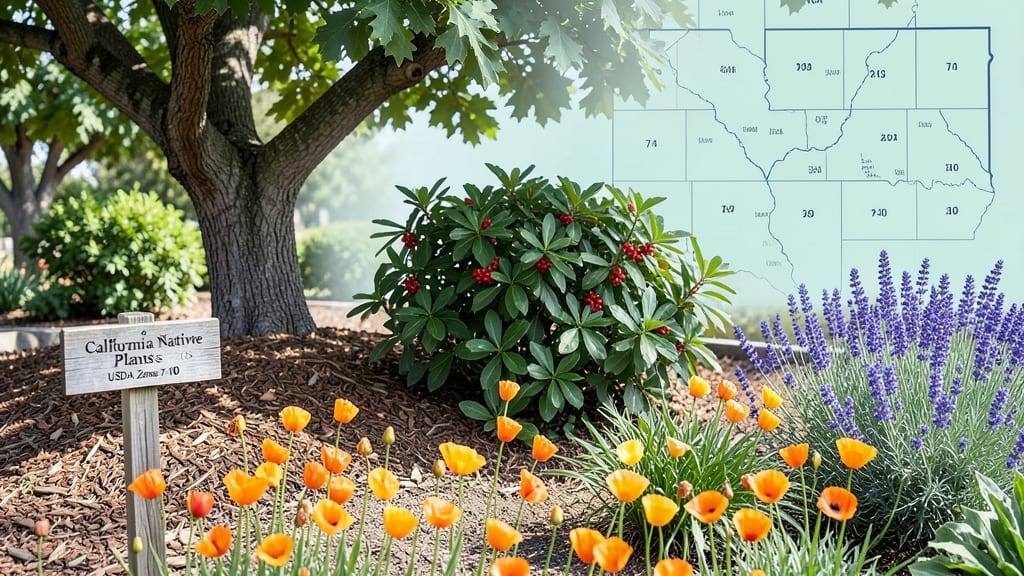
Understanding California's gardening zones helps you select the right plants for your specific location, as they range from USDA Zone 5 in high mountain areas to Zone 11 along coastal regions, with dramatic microclimate variations even within small areas.
California's diverse geography creates gardening challenges and opportunities unlike anywhere else.
The coastal regions benefit from milder temperatures year-round, making them ideal for Mediterranean plants like rosemary and lavender, while inland valleys can experience extreme heat waves that push Zone 9 plants to their limits. 🌵 High-elevation areas in the Sierra Nevada face frost risks even in summer, requiring cold-hardy varieties like alpine strawberries.
What's fascinating is how urban areas create their own heat islands—Los Angeles gardens often need plants suited for Zone 10 conditions just a few miles from cooler coastal neighborhoods.
These variations mean you can't rely solely on USDA zone maps. I always recommend checking your local microclimate—factors like afternoon shade, morning sun exposure, and even soil type can shift your effective growing zone by 1-2 levels.
For example, a backyard in San Diego might be Zone 10 overall but have a shaded corner perfect for Zone 9 plants.
💡 In This Article
- How California’s Microclimates Affect Plant Hardiness Zones
- Best Plants for Each California Gardening Zone
How California’s microclimates affect plant hardiness zones
California's geography creates microclimates so dramatic that your neighbor's garden might experience 10°F warmer winters than yours. The Pacific Ocean acts as a temperature regulator, with coastal areas staying in Zone 10-11 thanks to marine layer fog that can drop temperatures 20°F at night.
Meanwhile, just 50 miles inland, cities like Sacramento hit Zone 9 with summer highs often exceeding 100°F. This ocean-to-desert gradient creates what scientists call "ecotones"—transition zones where plant hardiness shifts rapidly over short distances.
The Sierra Nevada mountains add another layer of complexity. At 5,000 feet elevation, you might find Zone 7 conditions where tomatoes need winter protection, while just 1,000 feet lower in the Central Valley, citrus thrives year-round.
Urban heat islands make cities like Los Angeles effectively Zone 10b even in suburban areas, while nearby canyons remain Zone 9b. These variations mean USDA zone maps—based on 30-year averages—often underrepresent California's extremes.
For example, Death Valley's Zone 11 conditions can appear just 20 miles from Zone 8 areas in the Mojave foothills.
What this means for gardeners is that you need to observe your specific microclimate for at least 3 years to accurately determine your effective growing zone.
Pay attention to: when frost occurs (coastal areas may get one night below 32°F per year, while inland areas average 50 frost nights); how long summer heatwaves last (desert zones can hit 110°F for weeks); and which plants naturally thrive in your space.
A simple test is planting a zone indicator plant like Mexican bush sage (thrives in Zone 9-11) or Russian sage (Zone 4-9) to see how it performs in your yard.
Elevation creates another critical factor. For every 1,000 feet up, temperatures drop about 3.5°F. This is why mountain gardens in Zone 5 can grow alpine currants while valley gardens 5 miles away struggle with the same plants.
The rule of thumb is to subtract 1 zone for every 1,500 feet of elevation gain. Coastal fog also creates "frost pockets" where temperatures drop faster than inland areas—this is why some coastal gardens need Zone 9 plants despite being officially Zone 10.
Urban environments add their own challenges. Asphalt and concrete absorb heat during the day and radiate it at night, creating "heat domes" that can push suburban gardens into Zone 10 conditions even in officially Zone 9 areas.
This is why I always recommend checking your local weather station data rather than relying on general zone maps. For instance, downtown San Francisco (Zone 10a) can have microclimates where Zone 9b plants thrive in shaded courtyards, while sun-exposed areas require Zone 10b varieties.
Seasonal wind patterns further complicate things. The Santa Ana winds that blow through Southern California can raise temperatures 20°F above normal in winter, while coastal winds keep summer highs 10°F cooler.
These wind patterns create "wind zones" where some areas get 20 mph constant winds (requiring wind-resistant plants) while others remain sheltered. The solution? Plant in groups of 3-5 similar plants to create microclimates that protect each other from extremes.
Here's the key takeaway: California's microclimates mean you should adjust your planting zone by ±1 zone based on your specific conditions. Start with the USDA map as a baseline, then observe your garden's actual performance for at least one growing season before making final plant selections.
The most successful California gardeners treat their space like a scientist—tracking temperatures, wind patterns, and sunlight exposure to create the perfect growing conditions for their unique microclimate. 🌿