
Tools
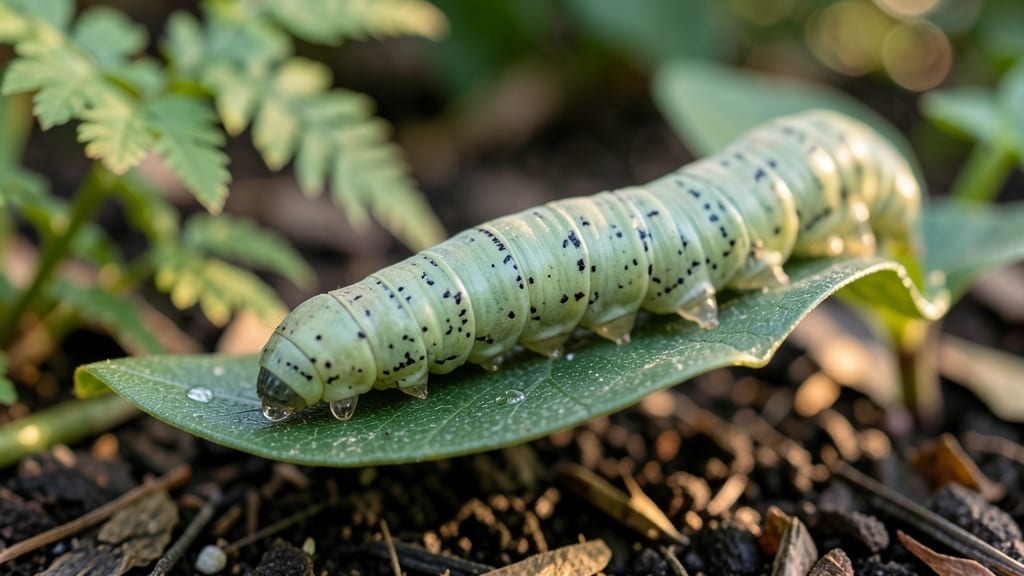
Garden snakes eat a varied diet of small mammals, insects, amphibians, and occasionally eggs or baby birds in their natural habitat. Young snakes focus on insects and small reptiles, while adults prefer larger prey like mice and voles for sustained energy.
Garden snakes are opportunistic feeders, meaning their meals depend heavily on what's available in their environment. 🌿 In the wild, they'll hunt mice, voles, and shrews, but they're equally skilled at catching beetles, crickets, and even earthworms when rodents aren't accessible.
Their diet isn't just about survival—it plays a crucial role in controlling pest populations, which is why they're considered beneficial to many ecosystems.
The key difference between juveniles and adults isn't just prey size, but also hunting strategy: younger snakes rely on camouflage and quick strikes, while mature snakes may use constriction or ambush tactics.
For pet owners, replicating this natural diet requires careful planning. Most captive garden snakes thrive on a diet of appropriately sized mice (pinkies for hatchlings, adults for larger snakes), supplemented with occasional insects like mealworms or waxworms.
The protein-to-fat ratio is critical—too much fat can lead to health issues, while proper calcium supplementation prevents metabolic bone disease. I always recommend feeding pre-killed prey to reduce stress and injury risks, especially for beginner keepers.
💡 In This Article
- Natural Diet of Garden Snakes in the Wild
- Safe Pet Food Options for Captive Garden Snakes
Natural diet of garden snakes in the wild
Garden snakes exhibit a diet that shifts dramatically based on their size and life stage. Juveniles, measuring just 6-12 inches at birth, primarily consume insects like beetles, crickets, and grasshoppers. These prey items provide essential protein while being small enough for their delicate jaws.
As they grow to 3-5 feet in adulthood, their diet expands to include mice, voles, and shrews, which offer the higher fat and protein content needed for sustained energy.
This size-based dietary shift is critical—adults require 20-30% of their body weight in food every 7-10 days, while hatchlings need prey only 10-20% their size weekly.
The hunting behavior of garden snakes is equally fascinating. Young snakes rely on ambush tactics, using their excellent camouflage to blend into leaf litter or grass before striking with lightning speed. Adults, however, often employ active foraging, slithering through vegetation to flush out prey.
Their forked tongues detect chemical trails left by rodents, while their heat-sensing pits (in some species) help locate warm-blooded prey even in darkness. This dual hunting strategy ensures they can exploit both daytime and nocturnal food sources, maximizing their success rate.
Seasonal variations also play a role in their diet. During warmer months, garden snakes increase their feeding frequency to build fat reserves for hibernation. In colder periods, they may go months without eating, relying on stored energy.
This adaptability is crucial for survival in temperate climates where food sources fluctuate seasonally. Interestingly, their diet also reflects local ecosystems—snakes in agricultural areas may consume more pests like slugs or worms, while those in wooded regions target frogs or lizards. This ecological flexibility makes them effective natural pest controllers.
What's often overlooked is how garden snakes contribute to their ecosystems through their feeding habits. By preying on rodents that carry diseases like Lyme or hantavirus, they help reduce human exposure to these pathogens. Their consumption of insects also controls populations that might otherwise damage crops.
The ripple effect doesn't stop there—when a garden snake hunts a mouse, it prevents that mouse from potentially preying on bird eggs or nestlings, thereby supporting avian populations. This multi-level ecological impact highlights why these snakes are considered beneficial rather than pests in many regions.
One particularly interesting adaptation is their ability to handle prey larger than their heads. Garden snakes can unhinge their jaws up to 150 degrees, allowing them to swallow prey nearly twice as wide as their body diameter.
This flexibility, combined with their stretchable skin, enables them to consume prey that would be impossible for many other predators. The digestion process is equally remarkable—they can go weeks without defecating after a large meal, as their bodies absorb nearly all nutrients before passing waste.
This efficiency is vital for their survival in environments where food isn't always abundant.
The protein-to-fat ratio in their diet is finely balanced for optimal health. Rodents provide the necessary protein for muscle maintenance, while insects offer a mix of fats and carbohydrates. This balance is particularly important during breeding season when males need extra energy for courtship battles.
In captivity, replicating this natural ratio requires careful selection of prey items—too much fat from overfed mice can lead to obesity, while insufficient protein may result in muscle wasting.
Understanding these dietary nuances helps explain why wild garden snakes appear so healthy and agile compared to their captive counterparts that don't receive proper nutrition.