
Tools
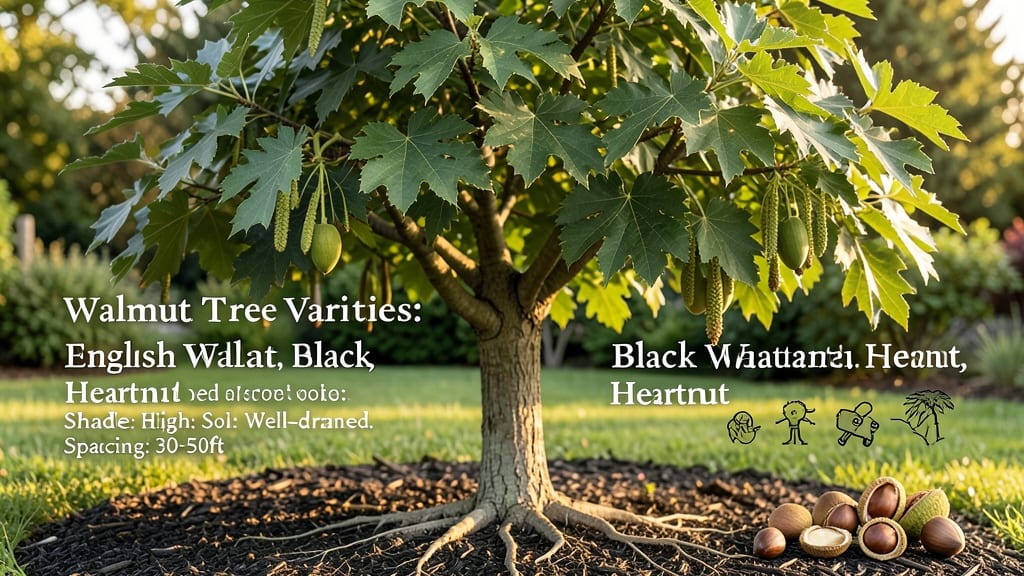
A walnut garden menu creates seasonal dishes centered around walnuts—think roasted walnut salads with kale, hearty quinoa bowls studded with walnuts, and desserts infused with walnut flavor—paired with homegrown herbs and vegetables cultivated alongside walnut trees. This approach enhances flavor balance, nutrient density, and garden sustainability.
A walnut garden menu thrives on the natural synergy between walnuts and their garden companions. 🌱 Walnuts pair beautifully with leafy greens like kale (boosting iron absorption) or tomatoes (adding lycopene), while herbs like rosemary or thyme elevate their earthy richness.
The key is planting companion crops—such as strawberries or beans—near walnut trees to ensure a year-round harvest of ingredients that complement walnut-based dishes perfectly.
This method isn't just about flavor—it's a sustainable cycle. The walnut trees provide shade for delicate plants, while their roots improve soil health, creating a self-sustaining ecosystem. For best results, space walnut trees 30-40 feet apart and interplant with shallow-rooted vegetables like lettuce or radishes during early seasons.
💡 In This Article
- How to Pair Walnuts with Seasonal Garden Vegetables
- Designing a Walnut-Friendly Garden Layout for Year-Round Harvests
How to pair walnuts with seasonal garden vegetables
Walnuts bring a rich, earthy depth to dishes, but their true magic happens when paired with the right garden vegetables. The secret lies in balancing their buttery texture and nutty flavor with ingredients that either contrast or complement their profile.
For example, walnuts pair beautifully with kale because the iron in kale enhances the walnuts' omega-3 content, creating a nutrient powerhouse. 🌿 When you toss 1 cup of chopped walnuts with 2 cups of massaged kale and a tangy vinaigrette, the crispness of the walnuts cuts through the kale's slight bitterness, making each bite more satisfying.
The science behind these pairings involves flavor chemistry. Walnuts contain polyphenols, which have a slightly bitter, astringent quality that works well with sweet or acidic ingredients.
Tomatoes, for instance, add a bright acidity that balances walnuts' richness—think of a salad with 1 cup of diced tomatoes, ½ cup of walnuts, and fresh basil. The lycopene in tomatoes also pairs well with walnuts' antioxidants, creating a dish that's both delicious and packed with health benefits.
Another trick is using walnuts in warm dishes, like roasted butternut squash, where their caramelized edges contrast with the squash's creamy texture.
Herbs play a crucial role in refining walnut-based dishes. Rosemary, with its piney aroma, enhances walnuts' earthiness, while thyme adds a subtle sweetness that bridges the gap between savory and sweet.
For a dessert twist, try infusing walnut oil with 1 tablespoon of fresh thyme and drizzling it over poached pears—this combination highlights the walnuts' natural sweetness while adding complexity. The key is moderation: use herbs sparingly to let the walnuts shine, but enough to elevate their flavor profile.
Texture balance is equally important. Walnuts' crunch contrasts beautifully with soft ingredients like avocado or goat cheese. A simple salad with ½ avocado, ¼ cup of crumbled goat cheese, and 3 tablespoons of walnuts creates a perfect harmony of creamy, crumbly, and crisp elements.
For heartier dishes, like a walnut-studded quinoa bowl, mix 1 cup of cooked quinoa with ¼ cup of chopped walnuts and roasted vegetables—this ensures every bite has both substance and texture variety.
Seasonal timing matters too. In summer, pair walnuts with fresh corn or zucchini, while fall calls for squash or apples. The goal is to use walnuts as a flavor anchor that ties the dish together, whether it's a savory main or a sweet treat.
By understanding these pairings, you can create dishes that are not only delicious but also visually appealing, with contrasting colors and textures that make each bite exciting. 🌟
Don't forget about storage—walnuts should be kept in an airtight container in the fridge to preserve their freshness. When used within 2 weeks of harvest, their flavor will be at its peak, ensuring your garden-fresh dishes taste their best.