
Flowers
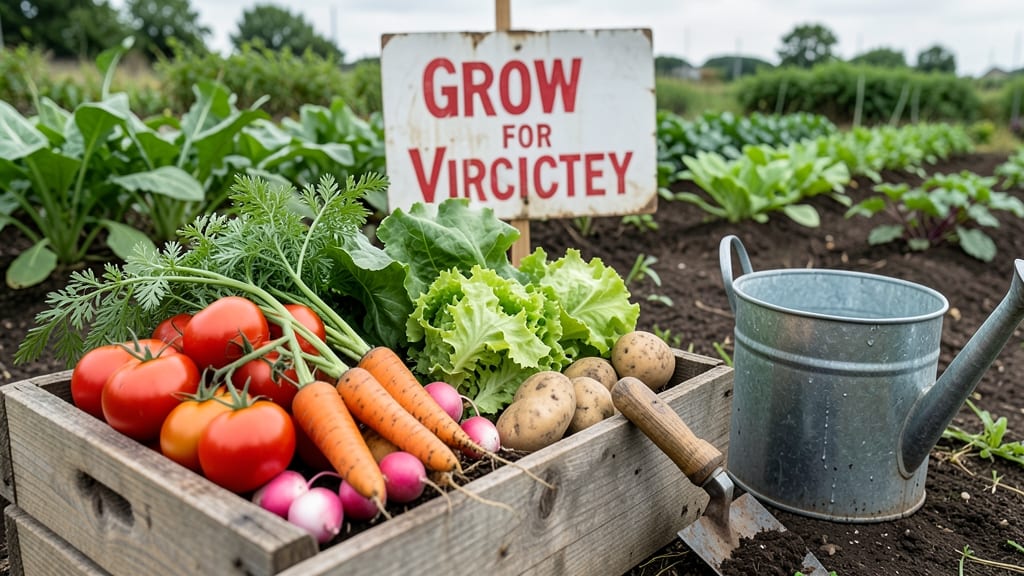
The meaning behind victory gardens focuses on growing your own food to build self-reliance and community strength, a practice first launched during World War II to combat food shortages and later embraced for modern sustainability efforts.
These gardens were more than just plots of land—they became symbols of patriotism and resourcefulness during wartime. 🌱 The U.S. government even launched campaigns encouraging families to plant "victory gardens," which collectively produced about 40% of the nation's vegetables by 1944.
Today, the concept lives on as a way to reduce food waste, support local economies, and reconnect with nature.
Modern victory gardens often include easy-to-grow vegetables like tomatoes, lettuce, and herbs, perfect for urban spaces or small backyards. They've also evolved into community projects where neighbors share tools, knowledge, and harvests, creating stronger local food networks.
Whether for survival or sustainability, the core idea remains: growing your own food fosters independence and resilience.
💡 In This Article
- How Victory Gardens Started During World War II
- Modern Victory Gardens: Sustainability and Community Benefits
How victory gardens started during world war II
Victory gardens emerged as a direct response to food shortages during World War II, when American families faced strict rationing on staples like meat, dairy, and vegetables.
The U.S. government launched the "Victory Garden Campaign" in 1942, encouraging households to dedicate even small patches of land to growing their own produce. 🌱 By 1943, over 20 million gardens were planted across the country, producing around 40% of the nation’s fresh vegetables—a staggering contribution to the war effort.
The campaign wasn’t just practical; it was a morale booster. Posters featuring Rosie the Riveter and patriotic slogans like "Food Will Win the War" framed gardening as a civic duty. Schools, churches, and even urban rooftops became garden spaces, proving that self-sufficiency could thrive anywhere.
The government provided seeds, tools, and instructional pamphlets, making it accessible for everyone—from rural farmers to city dwellers with just a windowsill.
What made these gardens so effective was their focus on high-yield, easy-to-grow crops. Tomatoes, potatoes, carrots, and leafy greens were staples because they required minimal space and delivered maximum output. For example, a single 10x10-foot plot could yield 20-30 pounds of potatoes—enough to supplement a family’s rationed supply.
This efficiency turned gardening into a tangible act of patriotism, proving that small efforts could make a big difference.
The impact extended beyond food production. Victory gardens reduced pressure on commercial farming, allowing more crops to be exported to Allied forces. They also fostered community spirit—neighbors swapped seeds, shared tools, and celebrated harvests together.
This sense of collective purpose helped ease the psychological strain of wartime life, making gardening a powerful tool for both survival and unity.
Even after the war, the legacy persisted. Many families continued gardening, not just out of necessity but as a way to preserve the skills and values they’d learned.
The concept evolved into what we now recognize as sustainable agriculture and local food movements—proving that the spirit of victory gardens wasn’t just a wartime solution, but a timeless one.