Planting
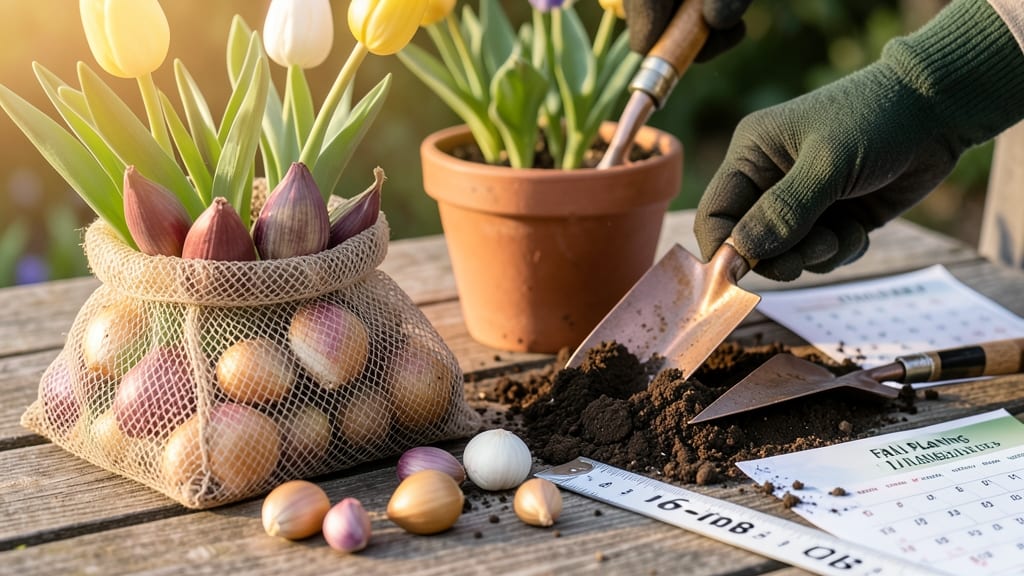
To plant bulbs in garden at the right time means catching the 6-8-week window before your first frost—when soil cools but hasn’t frozen yet.
Did you know that planting bulbs under the right moon phase can boost root growth by up to 30%? Timing isn’t just about seasons—it’s about lunar cycles, soil temperatures, and bulb types working together for a thriving garden.
In USDA Zone 6a, that means digging in late September to early October for spring blooms, or waiting until March for late-season varieties. Get it wrong, and you’ll either freeze tender roots or wake bulbs too early, leaving them vulnerable to frost.
Below, I break down the exact soil temps to watch for, the best moon phases by bulb type, and how to adjust for early or late frosts—so your garden bursts with color instead of flopping flowers.
Best moon phases for planting bulbs by type (spring vs fall)
Planting bulbs under the right moon phases can dramatically improve their success rate. The lunar cycle affects root development and flowering strength, making it a game-changer for gardeners in USDA zones 3-10. Whether you're planting spring-blooming tulips or fall-planted daffodils, timing matters more than you might think.
The key is understanding whether your bulbs need to focus on root growth or flowering energy. For example, fall-planted bulbs like hyacinths and crocuses rely on the rooting phase during the waxing moon, while spring-planted bulbs benefit from the flowering phase during the waning moon.
Let’s break it down by bulb type and season.
| Bulb Type | Best Moon Phase | Planting Season | USDA Zones | Key Notes |
|---|---|---|---|---|
| Tulips | Waxing Moon (Rooting) | Fall (6-8 weeks before frost) | 3-9 | Plant in cool soil (40-60°F) for best root growth. |
| Daffodils | Waxing Gibbous (Rooting) | Fall (6-8 weeks before frost) | 3-10 | Resistant to squirrels; plant deeper in sandy soil. |
| Hyacinths | Waning Moon (Flowering) | Fall (6-8 weeks before frost) | 4-9 | Plant in well-draining soil to prevent rot. |
| Crocuses | Waxing Crescent (Rooting) | Fall (4-6 weeks before frost) | 3-8 | Early bloomers; plant shallowly for quick sprouting. |
| Alliums | Full Moon (Flowering) | Spring (after last frost) | 5-10 | Drought-tolerant; plant in full sun for best blooms. |
For spring-blooming bulbs like tulips and daffodils, the waxing moon is ideal during the rooting phase in fall. This phase encourages strong root development before winter dormancy. In USDA zones 3-5, aim to plant 6-8 weeks before the first frost, typically in October or early November.
Conversely, fall-planted bulbs such as hyacinths and crocuses thrive when planted during the waning moon for their flowering phase. This timing aligns with their natural growth cycle, ensuring vibrant blooms the following spring. In warmer zones (7-10), extend planting into December for a delayed but still successful bloom.
Regional adjustments are critical. In USDA zone 3, where winters are harsh, plant bulbs earlier (September) to allow roots to establish before the ground freezes. In zone 10, where winters are mild, you can plant as late as January for spring blooms.
Always check your local frost dates to fine-tune timing.
Another pro tip: Moon phase planting isn’t just about the phase—it’s also about the position of the moon in the sky.
Bulbs planted when the moon is in the northern hemisphere (above the equator) tend to have stronger roots, while those planted during a full moon often produce more robust flowers. Use a lunar calendar to track these details.
If you’re unsure about moon phases, start with the waxing moon for fall planting and the <
Soil temperature and depth rules for perfect bulb planting timing
Timing your bulb planting isn't just about the calendar—it's about soil temperature and planting depth. These factors determine whether your tulips, daffodils, and other bulbs thrive or struggle.
When soil is too warm or too cold, bulbs may rot or fail to root properly. Similarly, planting too shallow can expose them to frost damage or poor nutrient uptake.
For fall-planted bulbs (like crocuses and hyacinths), aim for soil temperatures between 40-60°F. This window ensures roots establish before winter dormancy. In spring-planted bulbs (such as summer-blooming dahlias), wait until soil warms to 50-65°F—any earlier, and roots may suffocate in cold soil.
⚠️ callout-warning ⚠️
⚠️ Critical Mistakes to Avoid
- Planting too early: Cold soil (<40°F) can cause rot or stunted growth.
- Planting too late: Bulbs won’t root deeply enough before frost.
- Shallow planting: Exposes bulbs to temperature fluctuations and pests.
- Over-deep planting: Delays blooming by 1-2 weeks as bulbs struggle to reach nutrients.
Pro Tip: Use a soil thermometer ($10) to check temps before planting!
Depth is just as critical as timing. Most bulbs should be planted 6-8 inches deep, or 2-3 times their diameter. For example, a 2-inch daffodil bulb needs 4-6 inches of soil cover. Deeper planting (like 8+ inches) delays blooming but protects against frost heave in winter.
Larger bulbs (e.g., tulips) can handle deeper planting, while smaller ones (e.g., snowdrops) need shallower depths. Always plant with the pointy end up—this ensures proper root and shoot growth.
A quick trick: Place bulbs in a bucket of water for 24 hours before planting to encourage root growth.
Regional adjustments matter too. In USDA Zone 5, plant fall bulbs by mid-October to avoid winter thaw cycles. In Zone 8**, extend planting until November.
Spring planting? Wait until after last frost—typically mid-April in most areas. Use a frost date guide for your zone to pinpoint the perfect window.
Finally, mulch after planting to insulate soil and retain moisture. A 2-3 inch layer of straw or shredded leaves keeps temperatures stable. Avoid organic mulches like grass clippings, which can mat and suffocate bulbs.
With the right temperature and depth, your bulbs will reward you with vibrant blooms year after year.