
Tools
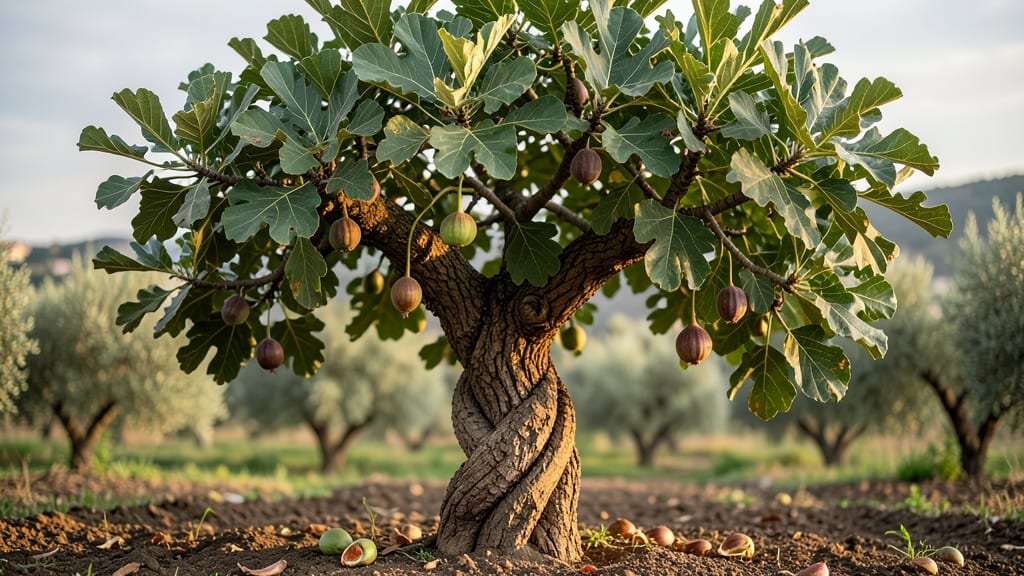
The garden in the Bible represents Eden, God’s perfect sanctuary where Adam and Eve lived in harmony with nature, surrounded by life-sustaining trees like the Tree of Life and the Tree of Knowledge. This sacred space symbolized divine provision, human responsibility, and the original state of creation before sin entered the world.
The biblical garden of Eden isn’t just a mythical paradise—it’s a powerful symbol of God’s original design for humanity and creation. 🌿 This lush paradise wasn’t just about beauty; it represented a covenant between God and His people, where every element—from the flowing rivers to the carefully placed trees—served a purpose.
The Tree of Life, for instance, offered eternal nourishment, while the Tree of Knowledge tested humanity’s obedience. Understanding Eden helps us grasp deeper themes in Scripture, like stewardship, temptation, and redemption.
Beyond its spiritual significance, Eden’s principles still resonate today. Many modern gardeners draw inspiration from its intentional design, focusing on sustainability and biodiversity. The garden’s emphasis on harmony between humans and nature aligns with contemporary organic gardening practices, proving that biblical wisdom can guide even practical pursuits.
💡 In This Article
- Eden’s Key Plants and Their Biblical Symbolism
- Garden of Eden in Modern Gardening: Lessons for Cultivators
Eden’s key plants and their biblical symbolism
The garden of Eden wasn’t just a picturesque landscape—it was a carefully curated ecosystem where every plant served a divine purpose. At its heart stood two trees with profound spiritual significance: the Tree of Life and the Tree of Knowledge of Good and Evil.
The Tree of Life, described in Genesis 2:9, offered eternal nourishment and healing, symbolizing God’s provision for humanity’s physical and spiritual well-being. Its fruit would have sustained life indefinitely, representing divine sustenance beyond mortal limitations. 🌱
Botanists often debate what these trees might have resembled, but the descriptions provide key clues. The Tree of Life’s fruit was likely edible and life-giving, possibly resembling figs or pomegranates—both mentioned in Eden’s flora.
Meanwhile, the Tree of Knowledge’s fruit was visually appealing but carried a warning: eating it would bring death. This duality created a paradox—beauty and danger intertwined. The garden’s rivers (Pishon, Gihon, Hiddekel, and Euphrates) likely nourished these plants, creating an ideal growing environment with rich, fertile soil and consistent moisture.
The garden’s biodiversity extended beyond these two trees. Genesis 2:16 mentions "every tree that is pleasant to the sight and good for food," suggesting a lush, varied landscape with fruit trees, herbs, and possibly even flowering plants.
This abundance reflected God’s creative power and His intention for humanity to thrive in a world of plenty. The trees weren’t just decorative—they were tools for spiritual growth and moral testing, illustrating how creation itself could teach lessons about obedience and consequence.
What makes Eden’s flora so fascinating is how these plants functioned as physical manifestations of spiritual truths. The Tree of Knowledge tested humanity’s trust in God, while the Tree of Life promised eternal life—a reward for faithfulness.
This duality mirrors the broader biblical theme of choice: humans could either embrace divine provision or pursue forbidden knowledge. The garden’s plants weren’t passive—they were active participants in the story of humanity’s relationship with God. 🌿
Modern botanical studies of ancient Near Eastern gardens suggest Eden’s design followed permaculture principles centuries before the term existed. The garden’s layout—with trees strategically placed and rivers providing irrigation—demonstrates an understanding of ecological balance.
Even the "dust" from which Adam was formed (Genesis 2:7) could symbolize the garden’s fertile soil, emphasizing humanity’s connection to the land and its plants. This intentional design shows how Eden wasn’t just a place of beauty but a functional, sustainable system meant to sustain life.
Consider this: the garden’s plants weren’t just decorative—they were educational. Each tree represented a choice, a lesson, or a consequence. The Tree of Life offered eternal benefits, while the Tree of Knowledge introduced mortality.
This duality teaches us that creation itself carries moral weight, and every element in Eden served a purpose beyond aesthetics. For gardeners today, this principle remains relevant—plants aren’t just for beauty but for teaching, nourishment, and stewardship. 🌳