
Watering
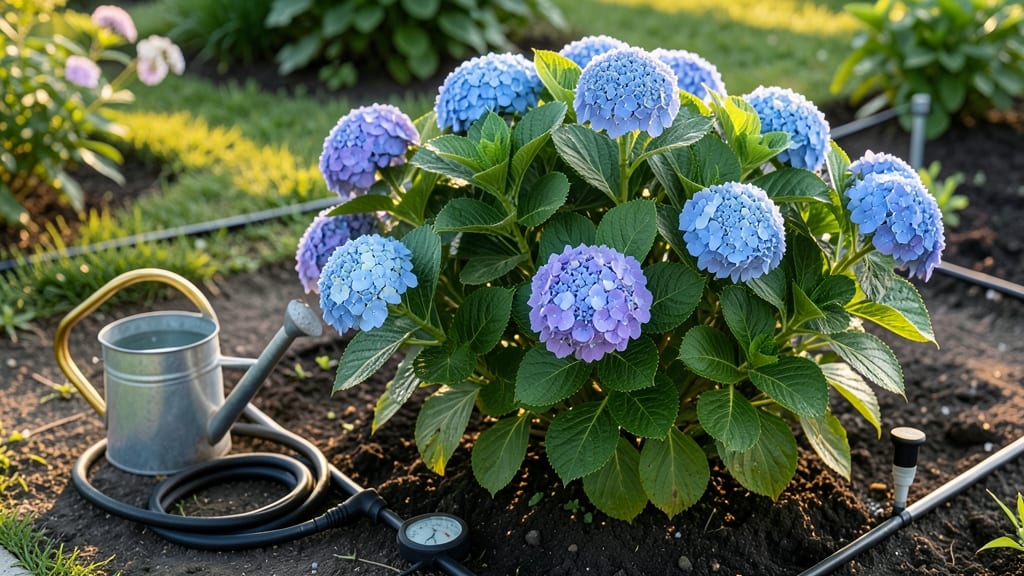
Watering garden plants in the morning is the fastest way to boost their health and save water—no guesswork, just science-backed timing that works for every type of 🌱.
Struggling to keep your garden thriving? The secret might be simpler than you think—watering at the wrong time can waste resources and stress your plants. Discover why morning watering transforms plant health and how to master this easy routine for lush, resilient gardens.
Most gardeners overlook how timing affects root growth and disease prevention. Watering in the early hours lets moisture seep deep before the sun evaporates it, while evening water can leave leaves damp—inviting fungal problems. That’s why experts agree: morning is the golden window for efficient hydration.
Here’s how to adjust your schedule for your plants’ needs—whether you’re battling drought, humidity, or just trying to cut down on water waste. We’ll cover the exact times, tools, and tricks to keep your garden thriving without the extra effort.
Why morning watering maximizes plant growth and minimizes waste
Watering your garden at the right time can make all the difference between a thriving landscape and one that struggles. While many gardeners water in the evening, science shows that morning watering is the gold standard for plant health.
This simple shift reduces water waste, prevents fungal diseases, and helps roots absorb moisture efficiently—aligning perfectly with plants' natural cycles. Let’s dive into why your garden will thank you for this early start.
Plants are most active in the morning hours, when temperatures are cooler and humidity is higher. Watering during this window allows roots to soak up moisture before the sun intensifies, minimizing evaporation losses that can waste up to 30% of your water if applied later in the day.
Additionally, damp foliage left overnight creates the perfect environment for fungal spores like powdery mildew and black spot to thrive—problems you won’t face with morning watering.
Here’s how morning watering benefits your garden in actionable ways:
| Factor | Morning Watering (6-9 AM) | Evening Watering (6-9 PM) |
|---|---|---|
| Evaporation Loss | Low (cooler temps) | High (warmer temps) |
| Fungal Risk | Minimal (foliage dries fast) | High (damp foliage overnight) |
| Root Absorption | Optimal (roots active) | Reduced (roots less active) |
| Water Waste | Minimal (60% efficiency) | High (up to 30% wasted) |
| Pest Attraction | Low (dries quickly) | High (standing water) |
Morning watering also boosts root development by encouraging deeper root growth. When you water in the morning, the soil stays moist longer, prompting roots to extend downward in search of water—a process called hydraulic lift.
This makes your plants more drought-resistant over time. For example, tomatoes and peppers develop stronger root systems when watered consistently in the morning, leading to higher yields and fewer blight issues.
Another key advantage is consistent soil moisture. Morning watering ensures the top layer of soil stays damp for photosynthesis while preventing water from pooling around plant bases—a common issue with evening watering.
This balance is critical for container gardens and potted plants, where soil dries out faster and overwatering can lead to root rot. Aim to water between 6 AM and 9 AM for best results, adjusting slightly for your local climate.
For gardeners in hot, dry climates, morning watering is non-negotiable. The desert southwest or Mediterranean regions lose up to 40% more water when irrigated after noon due to intense sun. Even in humid zones, morning watering reduces fungal spores like Phytophthora, which thrives in wet foliage.
Pro tip: Use a soaker hose or drip irrigation in the morning to deliver water directly to roots, cutting evaporation losses by half.
What about rainy mornings? If you’ve received ½ inch or more of rain, skip your morning watering routine. Overwatering can suffocate roots and leach nutrients from the soil. Instead, check the soil moisture with your finger—if the top 1-2 inches are damp, hold off until the next day.
This simple check saves water and prevents root suffocation, a silent killer of many garden plants.
Let’s not forget the psychological perk of morning watering: it’s a refreshing way to start your day! There’s something therapeutic about tending to your garden as the sun rises, and you’ll notice your plants perking up faster too.
Over time, you’ll see fewer wilting leaves, stronger stems, and even brighter blooms—all thanks to this one simple habit. Try it for just two weeks, and you’ll likely become a morning watering convert.
Ready to transform your garden’s health? Grab your watering can or hose, set your alarm for 6 AM, and give your plants the gift of a morning drink. Your garden—and your water bill—will thank you! 🌱☀️💧
Step-by-step morning watering schedule for different plant types
Not all plants thrive on the same watering schedule, and morning routines should adapt to their unique needs. Vegetables like tomatoes and peppers need consistent moisture to develop fruit, while succulents and lavender prefer dry spells between waterings.
The key is understanding your plants' root depth and climate zone to avoid over- or under-watering.
For arid climates, water deeply in the early morning (before 7 AM) to give roots time to absorb moisture before the heat evaporates it.
In humid zones, spread watering across two morning sessions (e.g., 6 AM and 10 AM) to prevent fungal growth. Temperate regions can follow a mid-morning schedule (8-9 AM) when temperatures are mild.
🌱 Morning Watering Checklist by Plant Type
- 🥬 Vegetables (tomatoes, cucumbers, lettuce): Water deeply at 6-7 AM for 10-15 minutes per plant. Shallow roots need frequent hydration.
- 🌼 Flowers (roses, petunias, marigolds): Light watering at 7-8 AM—focus on soil, not leaves, to prevent mildew.
- 🌳 Trees & Shrubs (oak, hydrangea, boxwood): Slow drip at 8-9 AM for 20-30 minutes. Deep roots require less frequent but thorough watering.
- 🌵 Succulents & Herbs (aloe, rosemary, thyme): Water at 9-10 AM only when soil is completely dry—overwatering kills them faster than drought.
- 🌿 Lawns: Early morning (5-7 AM) for 30 minutes, 2-3 times per week. Avoid weekends to prevent fungal spread.
Adjust your schedule based on weather forecasts. If rain is predicted, skip morning watering and check soil moisture with your finger—1-2 inches dry is ideal for most plants. For container gardens, water when the top inch of soil feels dry, often requiring daily checks in summer.
Pro tip: Use a rain gauge or soil moisture meter to track how much water your garden absorbs. Clay soil holds moisture longer than sandy soil, so reduce frequency in heavy clay areas. Mulch with wood chips or straw to retain moisture and cut back on daily watering.
Remember, overwatering is just as harmful as underwatering. Yellowing leaves or mushy stems signal excess water, while wilting or crispy edges mean it’s time to hydrate. Fine-tune your routine weekly to match your garden’s evolving needs.
With this tailored approach, your plants will thrive without stress, and you’ll save water while enjoying a low-maintenance routine. Happy gardening! 🌿