
Tools
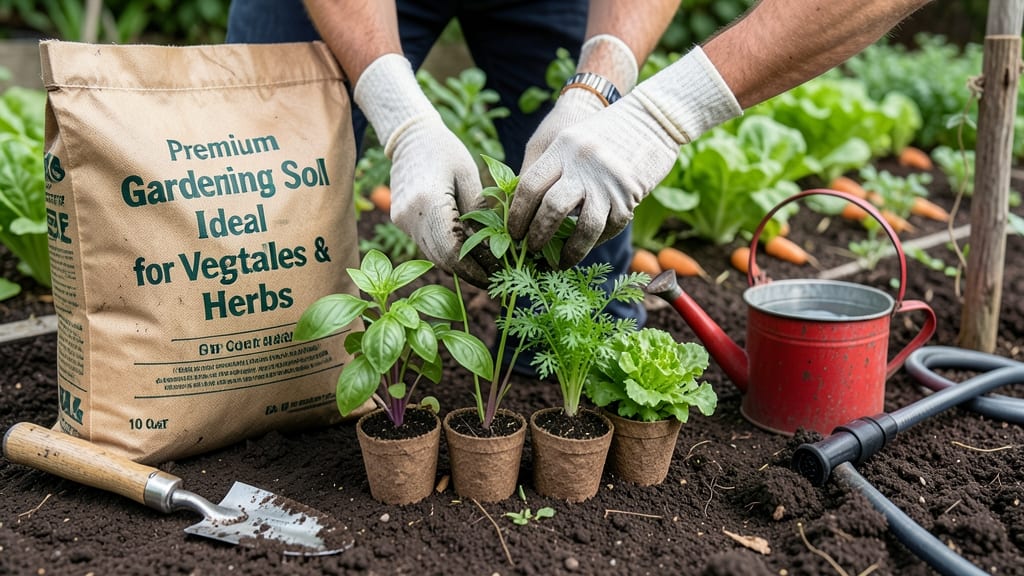
Using potting soil in garden beds can improve drainage and aeration for container plants or root-bound specimens, but it’s rarely ideal for in-ground planting due to its lightweight, nutrient-poor composition and tendency to dry out quickly. Mix with native soil only in small amounts for specific needs.
Potting soil is designed for containers, where its lightweight texture prevents compaction and promotes airflow to roots. 🌱 When used in garden beds, though, its lack of native microbes and organic matter means plants often struggle to establish strong root systems.
I’ve found it works best in small doses—like mixing 25% potting soil with 75% garden soil to improve drainage for heavy clay or to revive depleted patches. For most in-ground planting, however, native soil’s existing microbial ecosystem and structure make it the better choice.
For container gardening or reviving struggling plants, potting soil shines. Its sterile composition prevents disease, and the added perlite or vermiculite ensures excess moisture drains away. But in open garden beds, its fast-drying nature can leave roots thirsty, especially in hot climates.
The key is strategic placement—use it where you need to lighten dense soil or boost aeration, but never as a full replacement.
💡 In This Article
- How Potting Soil Differs From Garden Soil
- Best Ways to Use Potting Soil in Outdoor Gardens
How potting soil differs from garden soil
The core difference between potting soil and garden soil lies in their purpose and composition. Potting soil is engineered to be sterile, lightweight, and highly porous—typically containing 50-70% peat moss or coconut coir, plus perlite or vermiculite for aeration.
This structure prevents compaction, which is critical for container plants where roots can't expand freely. Garden soil, however, is a living ecosystem with 10-30% organic matter, clay particles, and beneficial microbes that break down nutrients over time. 🌱
Texture plays a huge role in performance. Potting soil often has a fluffy, almost crumbly consistency that mimics the air pockets plants need in confined spaces. Garden soil, meanwhile, develops a denser, more cohesive structure through natural compaction and microbial activity.
The porosity difference is dramatic: potting soil might hold 60-80% air by volume when moist, while garden soil typically ranges from 20-40% air—perfect for in-ground plants but too restrictive for containers.
Nutrient availability also shifts dramatically. Potting soil contains slow-release fertilizers to compensate for its lack of native microbes, while garden soil relies on a complex food web of fungi, bacteria, and earthworms to recycle nutrients.
This microbial network is why established garden soil often outperforms potting soil for long-term plant health, even when amended. The trade-off? Potting soil's sterile environment prevents disease, making it ideal for seedlings or stressed plants that need protection from soil-borne pathogens.
Moisture retention is another critical factor. Potting soil dries out 2-3 times faster than garden soil because its lightweight composition lacks the water-holding capacity of clay and silt particles.
In garden beds, this rapid drying can stress plants during hot spells, while in containers, it actually helps prevent root rot—a double-edged sword. The water-holding capacity of garden soil (often 30-50% by volume) makes it far more forgiving for drought-prone regions.
Consider this comparison for plant types: Potting soil excels with vegetables like lettuce or herbs that prefer loose, well-draining media, while garden soil supports perennials like roses or fruit trees that benefit from deep, nutrient-rich layers. The key is matching the soil's characteristics to the plant's natural growing conditions. 🌿
For gardeners working with heavy clay or sandy soil, the real value of potting soil lies in its ability to amend specific zones rather than replace the entire bed.
Mixing 1 part potting soil with 3 parts native soil can create micro-environments where drainage improves without sacrificing the existing microbial ecosystem. This targeted approach preserves the benefits of both soil types.