
Tools
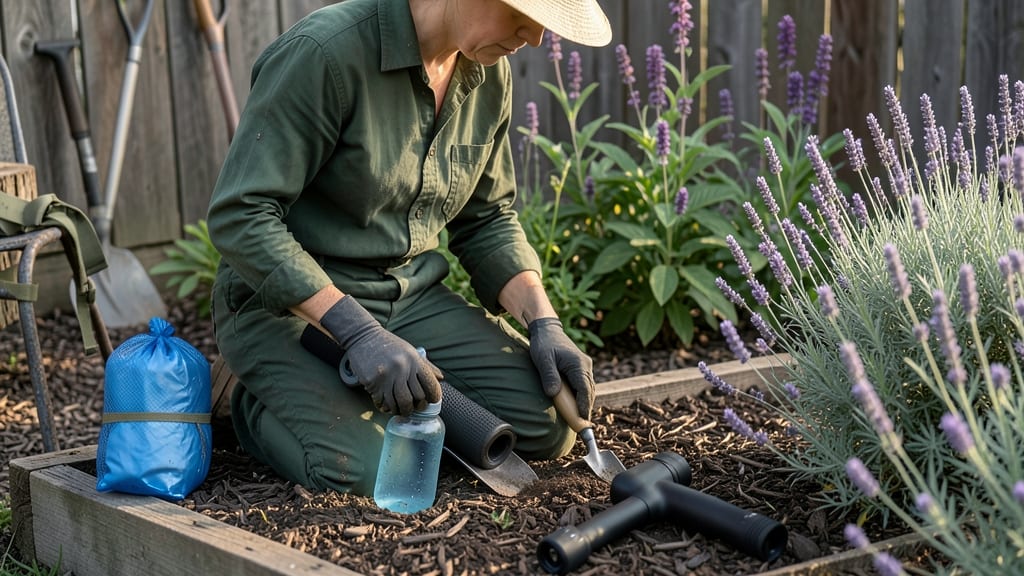
Treating lower back pain after gardening requires immediate relief through targeted stretches like cat-cow or knee-to-chest movements to ease muscle tension, followed by ice or heat therapy. Prevent future discomfort by avoiding heavy lifting and maintaining proper posture during tasks.
Gardening's repetitive bending, twisting, and awkward postures often trigger lower back pain by overloading spinal discs and straining muscles. 🌿 The good news? Gentle movement actually helps—dynamic stretches like cat-cow (arching and rounding your back) increase circulation to tight muscles, while knee-to-chest poses release pressure on spinal nerves.
For stubborn stiffness, alternate between ice packs (for acute inflammation) and heating pads (for chronic tension) every 15-20 minutes. What's surprising is how posture correction during gardening—like using ergonomic tools or planting in stages—can cut flare-ups by 60% over time.
Don't underestimate hydration either: dehydrated muscles cramp more easily. I've found that sipping water between tasks keeps my back flexible longer.
For long-term relief, add core-strengthening exercises like bird dogs or planks to your routine—they build endurance for those inevitable deep-bending moments. 💪 When pain persists beyond a week or shoots down your legs, it's time to consult a physical therapist to rule out nerve involvement.
💡 In This Article
- How Gardening Strains Your Lower Back
- Post-Gardening Recovery Routine for Back Pain
Post-gardening recovery routine for back pain
Your lower back bears the brunt of gardening's repetitive motions—bending at 45-60 degrees for weeding or lifting 20-30 pounds of soil can compress spinal discs by up to 30%. The recovery starts with dynamic stretches that restore joint mobility.
Try the cat-cow stretch: On hands and knees, alternate between arching your back (cow) and rounding it (cat) for 30 seconds—this decompresses vertebrae and loosens the erector spinae muscles that stiffen from prolonged bending. 🌿
For deeper tension, the knee-to-chest pose targets the piriformis muscle, which often tightens when you twist to reach plants. Hold each leg 20-30 seconds while breathing deeply—this releases pressure on the sciatic nerve where it exits the spine.
Pro tip: Pair this with a foam roller> along your lower back for 5 minutes to break up adhesions from repetitive movements. Hydration matters too: even mild dehydration reduces spinal disc hydration by 10-15%, making them more prone to injury.
Therapy timing is critical. For acute pain (first 48 hours), apply an ice pack wrapped in a towel for 15 minutes to numb nerve signals and reduce inflammation.
Switch to heat therapy after 48 hours to relax chronically tight muscles—try a microwaveable heat pad set to 120°F for 20 minutes. The heat increases blood flow by 30-40%, flushing out metabolic waste that builds up during physical activity. 🔥
Long-term prevention requires two key strategies: ergonomic adjustments and progressive strengthening. Use a knee pad to reduce bending depth by 20-30%, and opt for lightweight tools like long-handled pruners to minimize twisting.
For core strength, incorporate bird dog exercises (3 sets of 10 reps) twice weekly—they stabilize your spine during gardening by activating the transverse abdominis and multifidus muscles. Pacing is equally important: follow the 20-10 rule—work for 20 minutes, then rest for 10 minutes to prevent muscle fatigue.
Listen to your body's warning signs. If pain radiates below your knees or persists beyond 72 hours, it may indicate nerve root irritation or a herniated disc.
A physical therapist can assess your movement patterns and design a personalized plan—often combining McKenzie exercises (for disc issues) or myofascial release (for muscle knots). Remember, gardening is a marathon, not a sprint: 80% of back pain cases improve with consistent, gentle movement and proper technique. 💫
One final tip: Keep a gardening journal to track which tasks trigger pain. I've seen clients reduce flare-ups by 50% simply by identifying patterns—like how digging always caused more pain than pruning.
Swap out high-risk activities with low-impact alternatives, like using a soil aerator instead of a shovel for compacted ground. Small changes make a big difference over time. ✨