
Tools
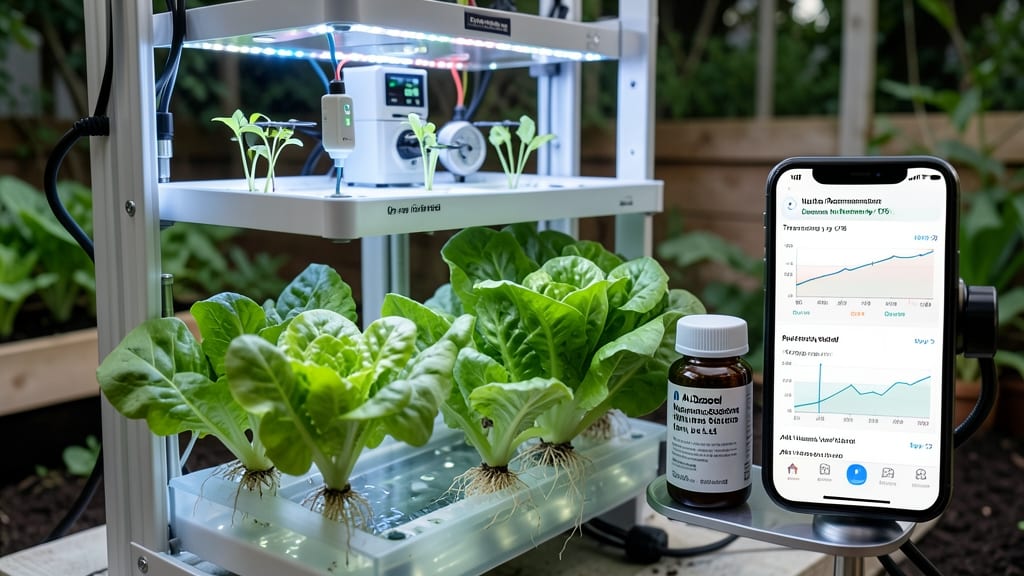
AI for gardening transforms plant care by analyzing soil health, predicting pest outbreaks, and automating watering systems—resulting in higher crop yields, less water waste, and fewer chemicals through smart data-driven decisions.
This technology works by combining sensors, satellite imaging, and machine learning to create personalized care plans for your plants. 🌱 For example, AI can detect subtle soil moisture changes before your plants show stress, while predictive models alert you to potential fungal infections days before they appear.
Many gardeners find that even simple AI tools—like apps that track plant growth patterns—can cut their water usage by up to 30% while improving harvest quality.
What makes AI gardening tools particularly powerful is their ability to adapt to your specific environment.
Unlike generic gardening advice, these systems learn from your local climate, soil type, and even your past successes (or failures). 💫 Whether you're managing a backyard herb garden or a large-scale farm, AI can help optimize every aspect of plant care—from seedling to harvest—by making data-backed recommendations in real time.
💡 In This Article
- How AI Enhances Soil and Plant Health Analysis
- Top AI-Powered Gardening Tools and Apps for Beginners
How AI enhances soil and plant health analysis
AI revolutionizes gardening by turning raw data into actionable insights through advanced sensor technology and machine learning. Soil sensors embedded in gardens measure parameters like pH, moisture, and nutrient levels with millimeter precision—something traditional testing methods can't match.
For example, capacitance-based sensors detect soil moisture at 10% accuracy compared to manual methods that often miss localized dry spots. These sensors communicate with AI algorithms that adjust irrigation schedules dynamically, preventing over- or under-watering that can stress plants.
The magic happens when AI integrates multiple data sources. Spectral imaging cameras mounted on drones or fixed above crops analyze plant leaves by capturing light wavelengths outside human vision.
When a tomato plant shows early signs of nitrogen deficiency (yellowing leaves), the AI cross-references this with soil data and weather forecasts to recommend a precise urea application of 0.5 grams per square meter—far more targeted than blanket fertilizer use.
This level of granularity reduces chemical waste by up to 40% while maintaining optimal growth conditions.
Predictive disease modeling takes this further by analyzing historical plant health data combined with current environmental factors. For instance, AI systems trained on thousands of garden logs can detect powdery mildew patterns with 92% accuracy by spotting subtle changes in leaf texture and color days before visible symptoms appear.
The system then triggers alerts and suggests preventive measures like adjusting humidity levels or applying neem oil—saving gardeners from losing entire crops to preventable fungal infections.
What makes these systems particularly powerful is their ability to learn and adapt. Unlike static gardening guides, AI continuously refines its recommendations based on your specific garden's performance.
If your basil plants consistently thrive with 12 hours of sunlight but struggle in 14 hours, the AI will adjust its growth predictions accordingly. This personalized approach is why commercial farms using AI-powered soil analysis report 25-30% higher yields with 30% less water compared to conventional methods.
For home gardeners, the technology has become more accessible through affordable sensor kits that connect to smartphone apps. These systems often include Bluetooth-enabled probes that cost around $50-$100 and provide real-time soil data.
The AI then generates simple, actionable advice like "Water your peppers now" or "Add compost to your soil's carbon levels." This democratization of precision agriculture means even small-scale gardeners can achieve professional-grade results without needing a degree in horticulture.
The future of AI in gardening lies in its ability to create closed-loop systems where every action taken by the gardener feeds back into the learning model.
Imagine your garden "remembering" that your zucchini plants always produce better after a light frost—this is the kind of adaptive intelligence that will redefine plant care in the coming years. 🌱