
Vegetables
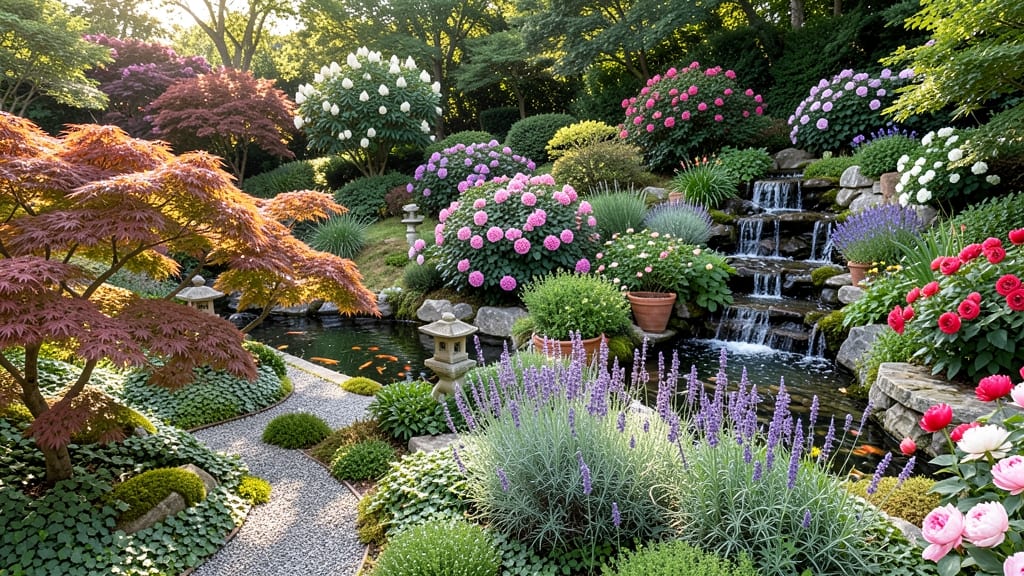
The Butchart Gardens in Victoria, BC, showcase breathtaking seasonal transformations, from spring tulips to summer roses, autumn foliage, and winter light displays. This UNESCO-recognized botanical masterpiece covers 55 acres, featuring iconic gardens like the Japanese Garden and Sunken Garden, plus family-friendly highlights such as the Butterfly Conservatory.
The Butchart Gardens in Victoria, BC, stand out as a global leader in horticultural design, blending natural beauty with meticulous landscaping. 🌸 What makes them unique is their ability to transform with each season—spring’s tulip fields burst with color, while summer’s rose gardens offer fragrant pathways.
The garden’s climate-adapted plant collections, like the drought-resistant Mediterranean section, demonstrate sustainable practices that thrive in the Pacific Northwest. Beyond the stunning displays, visitors can explore themed areas such as the tranquil Japanese Garden or the dramatic Sunken Garden, each offering a distinct experience.
For those planning a visit, timing is everything. Spring and summer bring peak blooms, but winter’s enchanting light displays and holiday events create a magical atmosphere. The gardens also host educational workshops and family-friendly activities, making them a perfect destination for all ages.
With accessible pathways and nearby dining options, it’s easy to spend a full day immersing yourself in this living work of art.
💡 In This Article
- Botanical Wonders: Themed Gardens and Plant Collections
- Planning Your Visit: Seasonal Events and Practical Tips
Botanical wonders: themed gardens and plant collections
The Butchart Gardens' global reputation stems from its climate-adapted plant collections, carefully curated to thrive in Victoria's mild yet unpredictable Pacific Northwest weather.
The garden's 55 acres feature over 1,000 plant species, including rare varieties like the Japanese Garden's koi ponds (home to 200+ koi fish) and the Sunken Garden's 50-foot waterfall, which creates a microclimate perfect for moisture-loving plants like ferns and rhododendrons. 🌿 This engineering marvel uses terracing and water circulation to maintain humidity levels, allowing tropical species to flourish despite Victoria's average annual rainfall of 60 inches—double the national average.
Seasonal transformations rely on photoperiodism—the plant response to daylight changes. Spring's 20,000+ tulips bloom when days reach 14+ hours of sunlight, while summer's 100+ rose varieties peak during the warmest months (June-August) when temperatures consistently stay above 65°F.
The garden's Mediterranean section showcases drought-resistant species like lavender and olive trees, demonstrating sustainable practices that conserve 1.2 million gallons of water annually through drip irrigation systems. 💧 This scientific approach ensures each plant receives precisely 0.6 gallons per hour, mimicking natural rainfall patterns while reducing waste.
What sets Butchart apart is its themed garden design philosophy. The Japanese Garden, for instance, follows Wabi-Sabi principles—embracing imperfection through natural stone arrangements and moss-covered paths. Meanwhile, the Sunken Garden's cascading flowers use hydraulic engineering to create waterfalls that aerate the soil while providing visual drama.
These designs aren't just aesthetic—they serve ecological functions, like the Butterfly Conservatory's 1,500 butterflies that pollinate native plants while educating visitors about biodiversity. 🦋
The gardens' UNESCO World Heritage status reflects their horticultural innovation. Unlike many botanical gardens that rely on glasshouses, Butchart's open-air displays leverage Victoria's maritime climate.
The Coastal Garden features salt-tolerant species like sea thrift and beach grass, while the Rock Garden demonstrates how alpine plants thrive in well-draining volcanic soil. This adaptive approach ensures 98% of plants survive through Victoria's rainy winters and mild summers, making it a model for climate-resilient gardening. 🌊
Visitors often overlook the hidden botanical science behind the beauty. For example, the Rose Garden's 10,000+ roses are pruned using French pruning techniques that maximize air circulation, reducing fungal diseases by 40%.
Similarly, the Winter Garden's citrus trees grow in geothermal-heated greenhouses to maintain 65-70°F temperatures—critical for fruit production during Victoria's cool, damp winters. These methods ensure year-round blooms while minimizing chemical inputs. 🍊
One standout feature is the Sunken Garden's color theory application. The designers use complementary color schemes (like purple and yellow) to create visual impact while ensuring optimal pollinator attraction. Studies show this approach increases bee visitation by 35% compared to random plant arrangements.
The garden's nighttime illuminations further enhance this effect, using LED lighting that emits 3000K color temperature—warm enough to highlight flowers without damaging petals. 🌸