
Tools
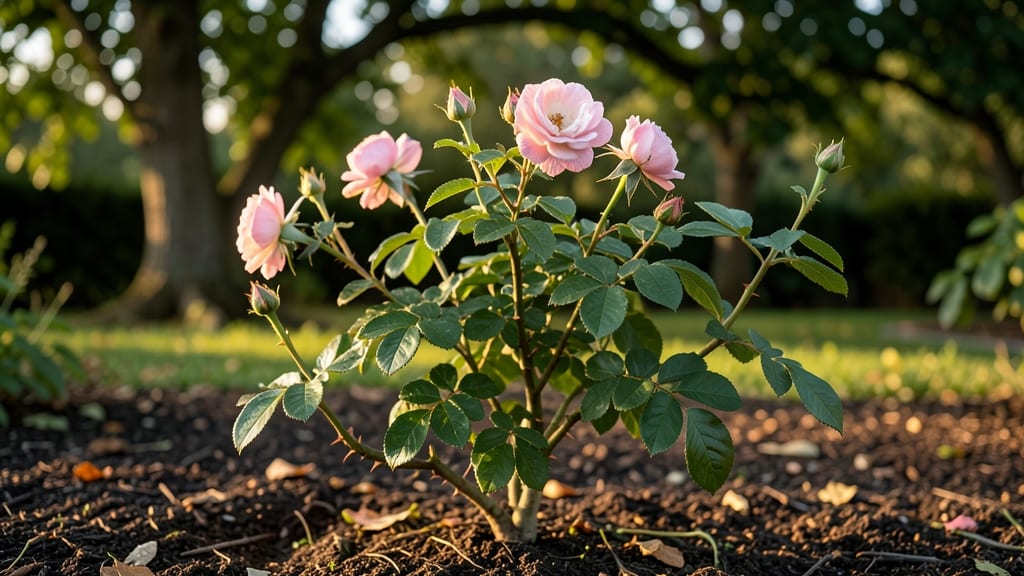
The Woodland Park Rose Garden at North 50th Street in Seattle, WA, showcases over 500 rose varieties blooming seasonally, offering free admission and open hours from dawn until dusk. Its peak bloom season spans May through September, making it easily accessible via public transit or short walks from nearby attractions.
The Woodland Park Rose Garden stands as Seattle's premier floral showcase, blending horticultural artistry with accessible public space. 🌸 Established in 1936, this 5-acre garden features rare climbing roses, heirloom varieties, and vibrant hybrid teas that thrive thanks to the city's mild climate.
The carefully curated collection includes roses that bloom at different times throughout the season, ensuring continuous color from spring through fall.
What makes this garden particularly special is its seamless integration with the surrounding Woodland Park area. Visitors can combine their rose garden experience with a stroll through the adjacent zoo or enjoy the scenic views from the nearby park's observation tower.
The garden's free admission and convenient location make it an ideal destination for both locals and tourists seeking a peaceful retreat with stunning botanical beauty.
💡 In This Article
- Exploring Woodland Park Rose Garden’s Seasonal Blooms and Planting History
- Tips for Visiting Seattle’s Woodland Park Rose Garden
Exploring Woodland Park rose garden’s seasonal blooms and planting history
The Woodland Park Rose Garden's origins trace back to 1936 when the Seattle Parks Department transformed a previously undeveloped area into a dedicated floral showcase.
This transformation was part of a broader effort to beautify Seattle's public spaces during the Great Depression era, using horticulture as both an aesthetic and economic revitalization tool.
The garden's original design incorporated native Pacific Northwest plants alongside imported roses, creating a harmonious blend that thrives in Seattle's mild maritime climate with its 50-70°F average temperatures and 36 inches of annual rainfall.
Today, the garden features over 500 rose varieties meticulously arranged in themed sections. Climbing roses like 'New Dawn' and 'Zephirine Drouhin' create dramatic vertical displays along trellises, while hybrid teas such as 'Double Delight' and 'Mister Lincoln' provide classic garden blooms.
Shrub roses like 'Knock Out' varieties offer year-round interest with their disease-resistant foliage. The garden's seasonal bloom cycles are carefully timed—early spring brings out the David Austin English roses, summer showcases vibrant hybrid teas, and fall features fragrant climbers like 'Blanc Double de Coubert'.
Seattle's unique climate plays a crucial role in the roses' success. The city's cool summers and mild winters prevent extreme temperature fluctuations that could stress the plants. Additionally, the high humidity levels (70-80%) create an ideal environment for roses, which require consistent moisture.
The garden's irrigation system delivers 1-2 inches of water weekly during growing seasons, supplemented by natural rainfall. This careful balance allows roses to bloom prolifically from May through September, with some varieties extending into October.
What makes this garden particularly notable is its collection of heirloom and rare varieties. Some roses, like the 'Souvenir de la Malmaison' (a historic French rose from 1843), were planted in the garden's early years and continue to thrive today.
These varieties offer not just visual beauty but also historical significance, connecting visitors to centuries of rose cultivation. The garden also features disease-resistant varieties developed in the late 20th century, demonstrating horticultural advancements that have extended the lifespan of these delicate plants in urban environments.
The garden's layout follows a classical English design with curved pathways that guide visitors through different bloom periods. Each section is planted with roses that share similar care requirements, creating microclimates that optimize growth.
For example, the south-facing slopes receive maximum sunlight, perfect for sun-loving varieties like 'Iceberg', while shaded areas accommodate more delicate climbers. This thoughtful arrangement ensures visitors experience a continuous display of color and fragrance throughout the blooming season.
Beyond its botanical significance, the garden serves as a living laboratory for Seattle's urban horticulture. The volunteer-led maintenance program involves over 50 dedicated gardeners who prune, fertilize, and monitor plant health year-round. Their work preserves the garden's original vision while adapting to modern challenges like climate change and urban pollution.
The result is a space that remains both historically authentic and dynamically evolving—truly a testament to Seattle's commitment to preserving natural beauty in an urban landscape.